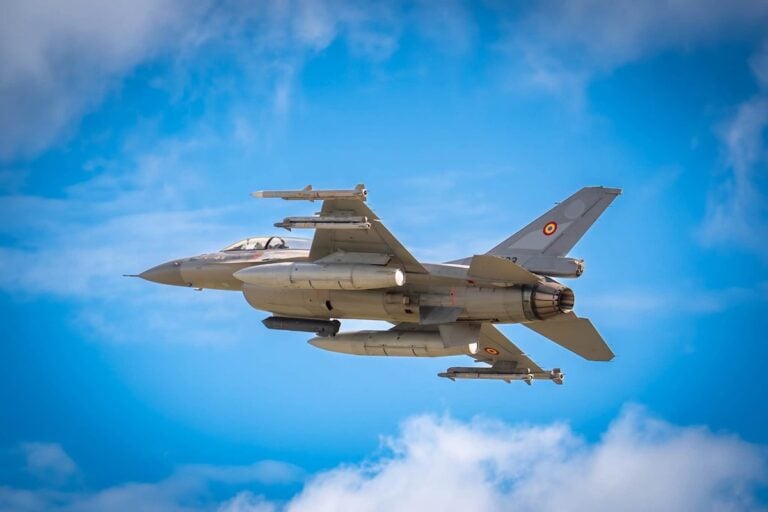

The two aircraft, designated BF-81 and BF-88, are the first fielded F-35B jets to undergo the full TR-3 retrofit. BF-88 completed its upgrade and was delivered on May 21, while BF-81 is expected to complete its conversion in July.
TR-3 has already been incorporated into new-production aircraft. However, the induction of BF-81 and BF-88 marks the first time fielded TR-2 jets have been converted to the TR-3 configuration.
The work follows about six years of planning, training and production preparation. Those efforts involved the F-35 JPO Air Vehicle Program Management Office, the product support manager and industry teams.
TR-3 provides a major increase in computing power, memory and processing capacity. The upgrade includes new integrated core processors, a panoramic cockpit display and hardware to support advanced electronic warfare and future mission systems.
The refresh is the foundation for all future Block 4 capabilities. Planned Block 4 improvements, including advanced sensors, weapon enhancements and mission-system upgrades, rely on the computing power and architecture delivered through TR-3.
The F-35 JPO said the improvements will enable consistent fleet configuration and simplify logistics. They are also intended to allow the F-35 to meet emerging operational requirements.
“When people think about the F-35, they often focus on production lots and new deliveries,” said U.S. Air Force Lt. Col. Matthew Hawkins, materiel leader for F-35 mods/retrofits within the F-35 JPO AV PMO. “But we also have more than 700 aircraft already fielded that must be upgraded. BF-81 and BF-88 are the first of many. This is the starting point for an effort that will grow year after year.”
Hawkins said the induction of the first two aircraft marks an important point for long-term F-35 readiness and combat capability. He said the pace of upgrades would be significant for operational users as the fleet continues to modernize.
“The faster we can upgrade jets, the more capable the warfighter will be,” Hawkins said. “This isn’t just an engineering milestone. It’s an operational one. TR-3 is what allows the F-35 to remain the quarterback of the battlespace in the next decade.”
Broader TR-3 retrofits across the fleet are expected to accelerate once FRC East completes the first pair of conversions and establishes full-rate processes. FRC East is located at Marine Corps Air Station Cherry Point.
FRC East is one of five global depots that conduct major F-35 maintenance, modifications and upgrades to the F-35B Lightning II. The other locations are Hill Air Force Base, Utah; Ogden, Utah; Cameri, Italy; and Williamstown, Australia.