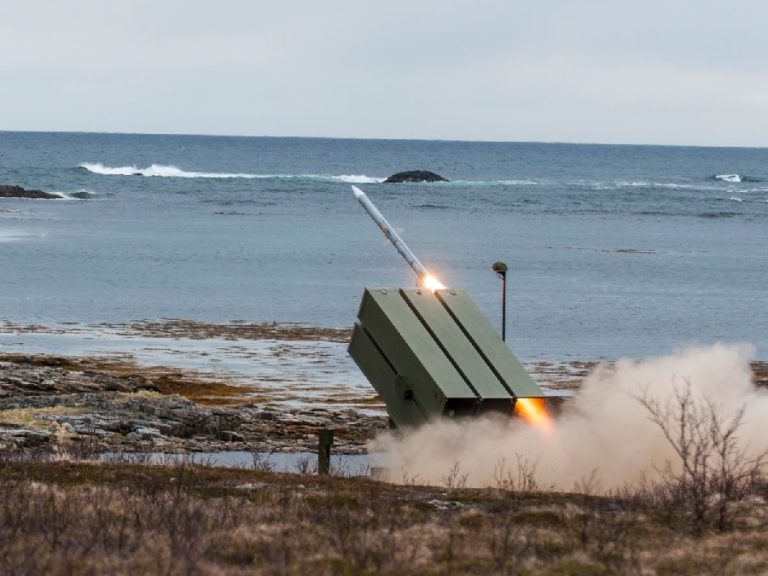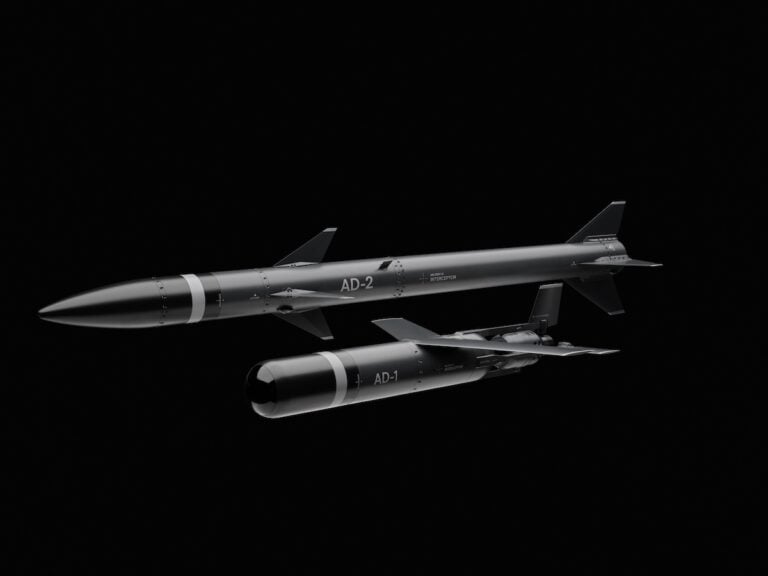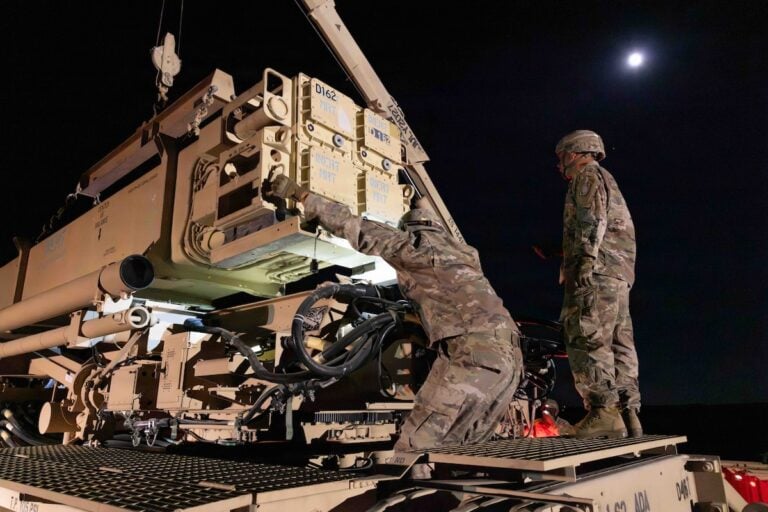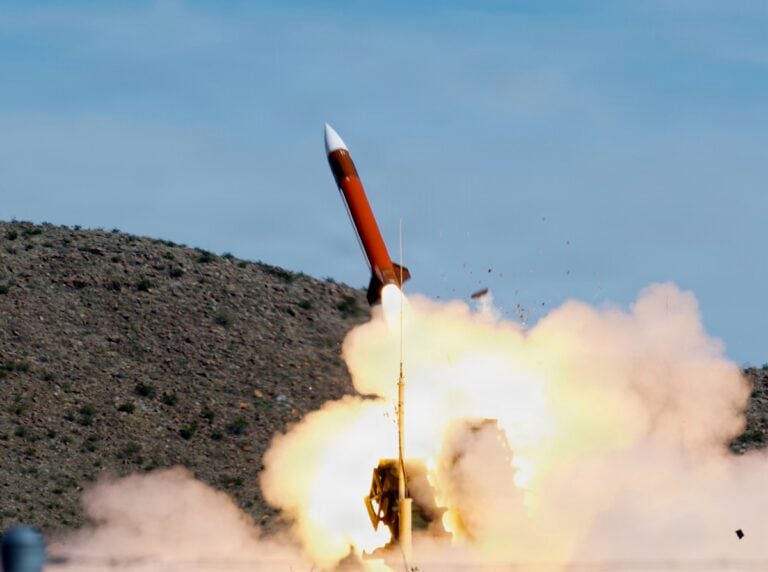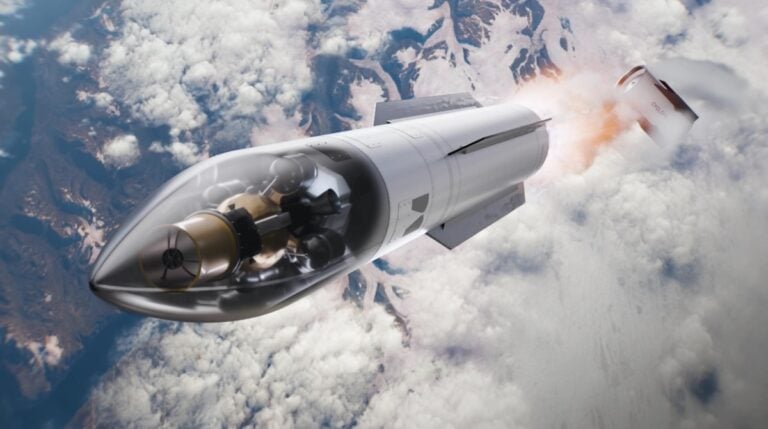
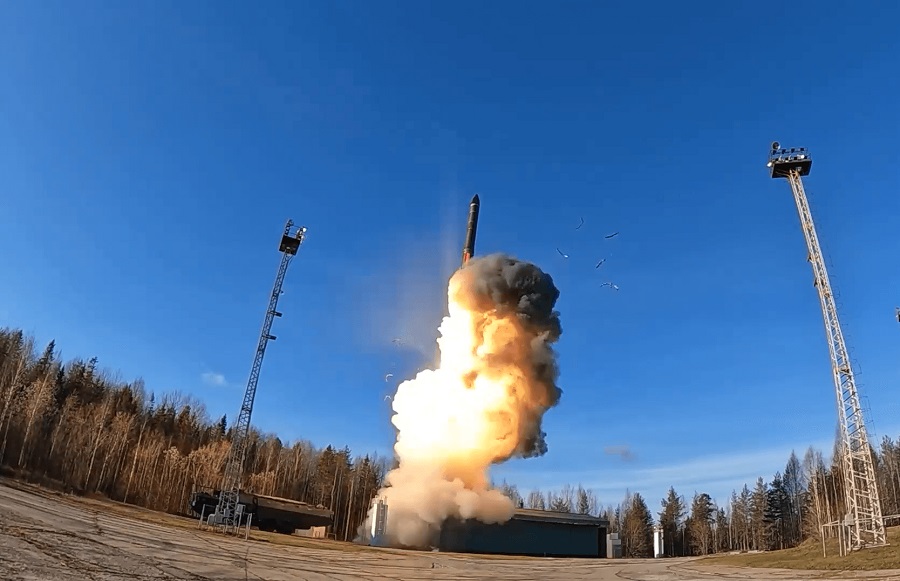
The figures appear in an August 2026 guide published by the Defence Nuclear Organisation, which explains the government’s approach to nuclear deterrence and the renewal of Britain’s defence nuclear capabilities. The document describes Russia as “increasingly aggressive” and accuses it of undermining international standards of cooperation and using irresponsible nuclear rhetoric.
Russia can deliver nuclear weapons over long distances through its strategic “nuclear triad”, according to the ministry. It also operates land-, sea- and air-based platforms capable of delivering them over shorter ranges.
The document places particular emphasis on Russia’s development of novel and disruptive dual-capable systems. Such weapons can be fitted with either conventional or nuclear warheads, complicating efforts to determine their intended role.
The ministry said Russia had used dual-capable systems in Ukraine. That statement refers to weapons platforms that can carry different types of warhead and does not say that Russia has used nuclear weapons in the conflict.
The assessment of Russia’s capabilities forms part of a wider warning that the threats facing Britain and its NATO allies are growing in scale, complexity and diversity. Other nuclear-armed states are modernising, expanding and diversifying their arsenals while investing in new technologies and delivery systems, the ministry said.
China currently has around 600 nuclear warheads and operates land-, sea- and air-based delivery systems, according to the same document. The ministry expects its stockpile to more than double by 2035 under what it describes as an unprecedented programme of rapid nuclear expansion.
Iran’s escalating nuclear programme has brought the country closer to producing weapons-grade material, the guide said. North Korea, meanwhile, continues to develop nuclear weapons and longer-range missiles and remains the only state to have detonated nuclear weapons in the 21st century.
Britain is responding to the worsening security environment with an extensive renewal of its nuclear capabilities and the industrial base that supports them. The government is reprioritising the Defence Nuclear Enterprise on a scale not seen since the end of the Cold War, saying sustained investment is needed to protect the UK and its allies against the most extreme threats.
The UK maintains an independent, minimum and credible nuclear deterrent assigned to the defence of NATO. The government says its purpose is to preserve peace, prevent coercion and deter acts of aggression that cannot be countered by other means.
Britain deliberately leaves unclear when, how and at what scale it might contemplate using nuclear weapons. The government says it would consider their use only in extreme circumstances of self-defence, including the defence of NATO allies, and that only the prime minister could authorise such action.
At the centre of the renewal effort is the government’s nuclear “triple-lock”. It commits Britain to building four Dreadnought-class ballistic-missile submarines at Barrow-in-Furness, maintaining the Continuous At Sea Deterrence and delivering all future upgrades required to keep the capability operational.
The Dreadnought fleet is scheduled to replace the existing Vanguard-class submarines from the early 2030s. Britain has maintained continuous deterrent patrols using nuclear-armed ballistic-missile submarines since April 1969.
Britain is also strengthening its contribution to NATO’s wider nuclear posture by purchasing at least 12 F-35A dual-capable aircraft. Based at RAF Marham, the jets will be available for NATO’s nuclear mission and will restore a nuclear role for the Royal Air Force for the first time since the UK retired its sovereign air-launched weapons after the Cold War.
In a crisis, British pilots could fly the F-35As carrying US nuclear weapons, although those weapons would remain under US control. The aircraft will complement Britain’s sovereign submarine-based deterrent but remain separate from it.
The government says renewing the deterrent is consistent with its commitment to the eventual elimination of nuclear weapons and its obligations under the Treaty on the Non-Proliferation of Nuclear Weapons. It argues, however, that British disarmament measures in recent decades have not prompted comparable action by other nuclear-weapon states and that the UK must retain its deterrent for as long as required.
The Defence Nuclear Organisation said the publication was a summary guide rather than a comprehensive account of every UK nuclear policy and programme. Its information and policy statements were correct as of August 2026, while Britain’s nuclear posture remains under constant review in response to the international security environment and the actions of potential adversaries.