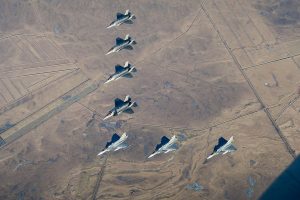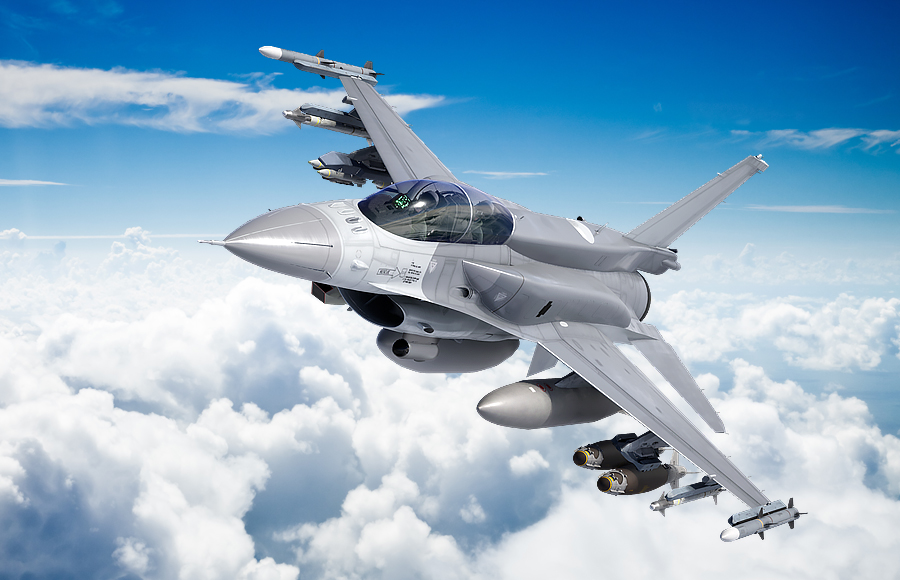


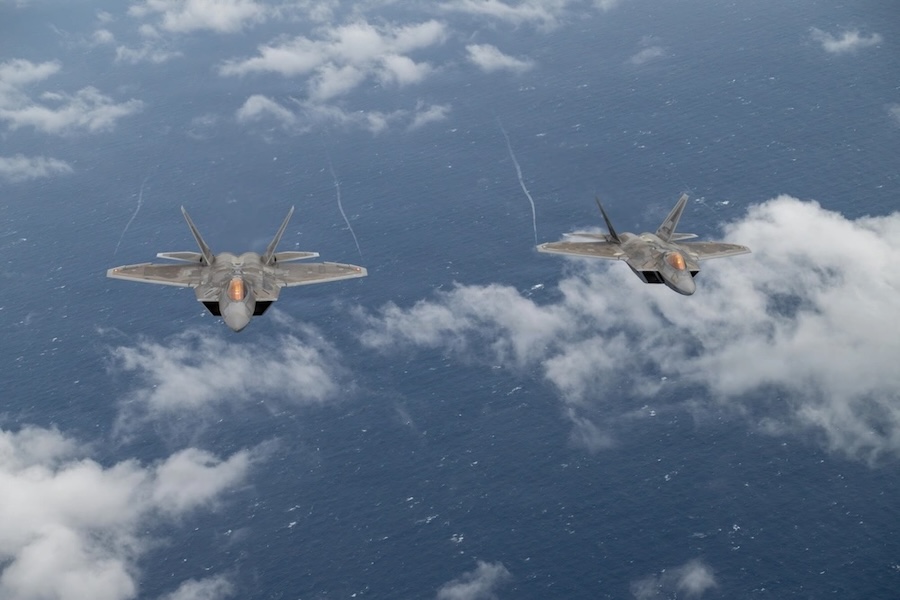
While holding talks with Iran, the United States is simultaneously moving additional military assets to the region. Data from ItaMilRadar indicates that the deployment includes more than a dozen F-22 Raptor fighters, around 36 F-16 Fighting Falcons, six Boeing E-3 Sentry airborne early warning aircraft, and a U-2 Dragon Lady reconnaissance aircraft, marking what the service described as an unprecedented concentration of U.S. air power in the Middle East.
USAF F-15s are currently en route, adding to the growing wave of air assets repositioning toward the Middle East. pic.twitter.com/hr4R1FIN2z
— Faytuks Network (@FaytuksNetwork) February 18, 2026
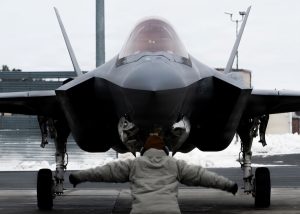
Earlier on Monday, 18 F-35A Lightning II stealth fighters departed from RAF Lakenheath in the United Kingdom and headed to Muwaffak Salti Air Base in central Jordan. Alongside Prince Sultan Air Base in Saudi Arabia, Muwaffak Salti has become a key logistical hub for U.S. tactical aircraft, despite assurances from Amman that it will not allow its airspace to be used for an attack on Iran.
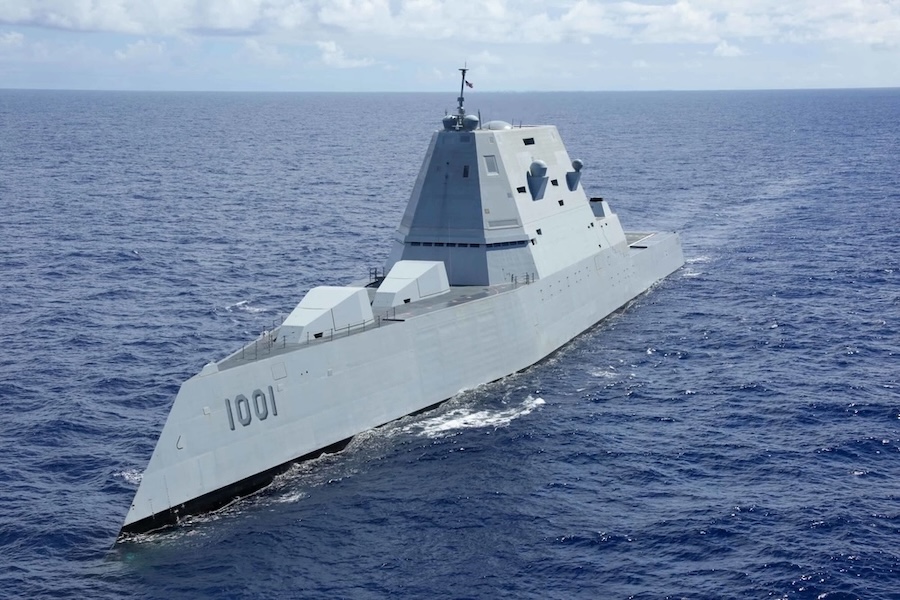
In the waters of the Persian Gulf, the U.S. Navy currently has 12 surface vessels, including the Abraham Lincoln Carrier Strike Group, seven Arleigh Burke-class destroyers, and three Littoral Combat Ships. Another aircraft carrier, USS Gerald R. Ford, along with its escort, is also en route, according to TheWarZone, which cited information provided by a U.S. Navy representative.
Several nuclear-powered submarines are also present in the region, although the U.S. military traditionally does not disclose their number or location. TheWarZone assessed that the forces assembling in the Middle East, combined with the capabilities of the Israeli Air Force, would be sufficient to conduct a large-scale operation lasting several weeks.
The outlet added that the United States has not yet made its final move and is likely to deploy additional forces in the coming days. The ongoing buildup suggests further adjustments in U.S. military posture as diplomatic engagement with Iran continues.