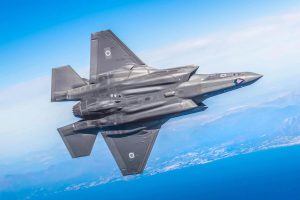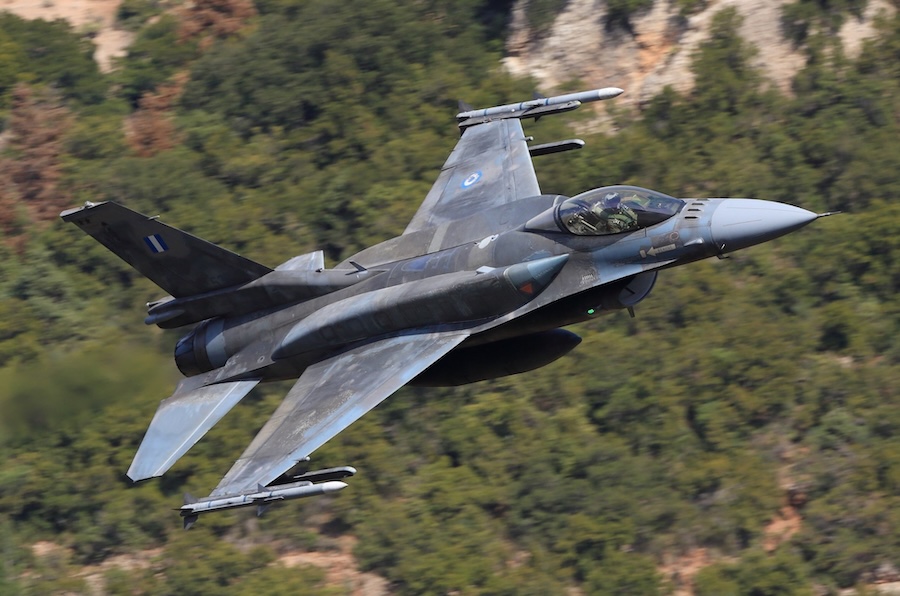


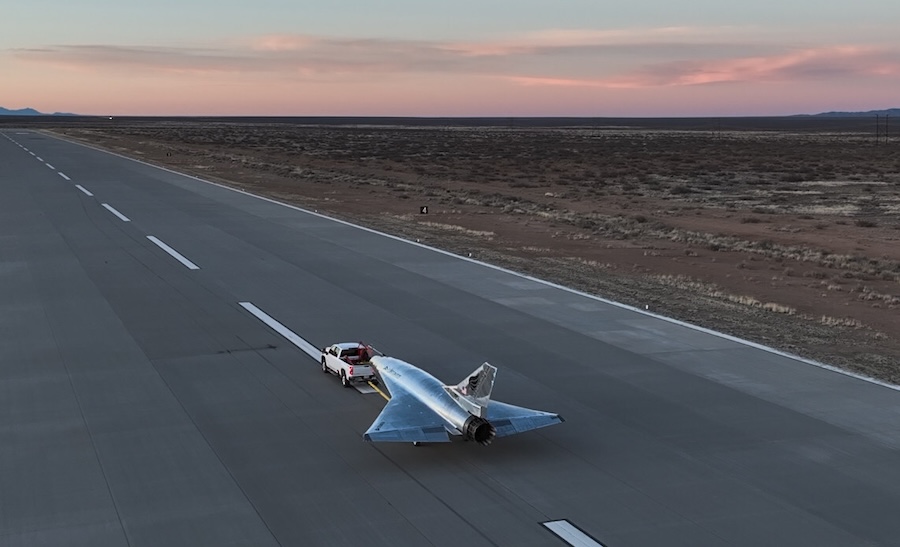
The next-generation Quarterhorse builds on the first flight of the Mk 1 aircraft in May 2025, which validated the company’s rapid and iterative development model. Quarterhorse Mk 2.1, roughly the size of an F-16 and powered by a Pratt & Whitney F100 engine, is nearly three times larger, four times heavier and significantly faster than its predecessor.
The company said the new aircraft is one of the largest unmanned aircraft ever built. Flown within a year of the previous campaign, Mk 2.1 reflects Hermeus’ effort to compress development timelines that traditionally span decades into a single cycle.
“Speed is the fundamental requirement for our flight systems and for our company,” said AJ Piplica, CEO and Founder of Hermeus. “We’re building and flying aircraft on timelines that match the urgency of the world we’re in. Today’s flight kicks off a critical flight test campaign that will ultimately get us to supersonic speeds, bringing the United States closer to having the high-speed capability it needs now, not decades from now.”
The flight took place at Spaceport America over White Sands Missile Range airspace in New Mexico. Quarterhorse Mk 2.1 was flown remotely from the company’s ground-based flight deck, validating aircraft systems, handling qualities and operational procedures.
Hermeus’ Quarterhorse program follows a roadmap in which multiple aircraft are designed, built and flown in quick succession to steadily increase performance. The company uses flight data from each prototype to refine designs, reduce risk and accelerate progress.
The Mk 2 phase includes multiple aircraft focused on achieving and expanding supersonic flight. Quarterhorse Mk 2.1 is the first in the series, followed by Mk 2.2, which the company expects to become the world’s fastest unmanned aircraft.
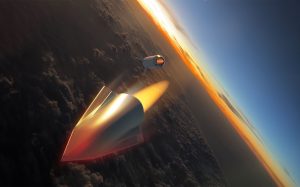
Subsequent phases are intended to advance toward sustained ramjet-powered flight for the United States within this decade.