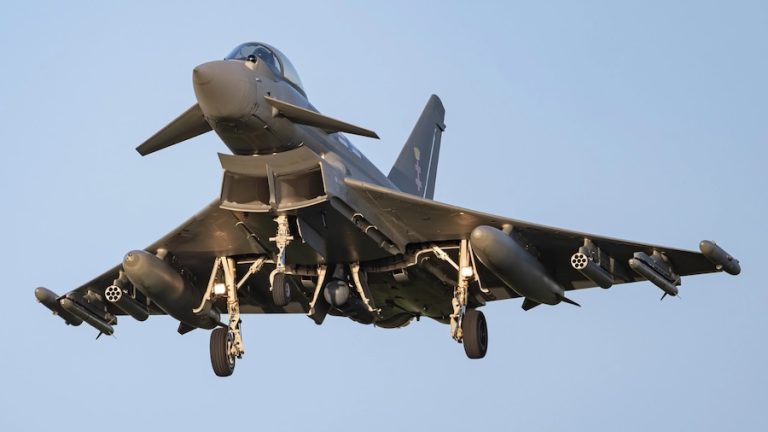

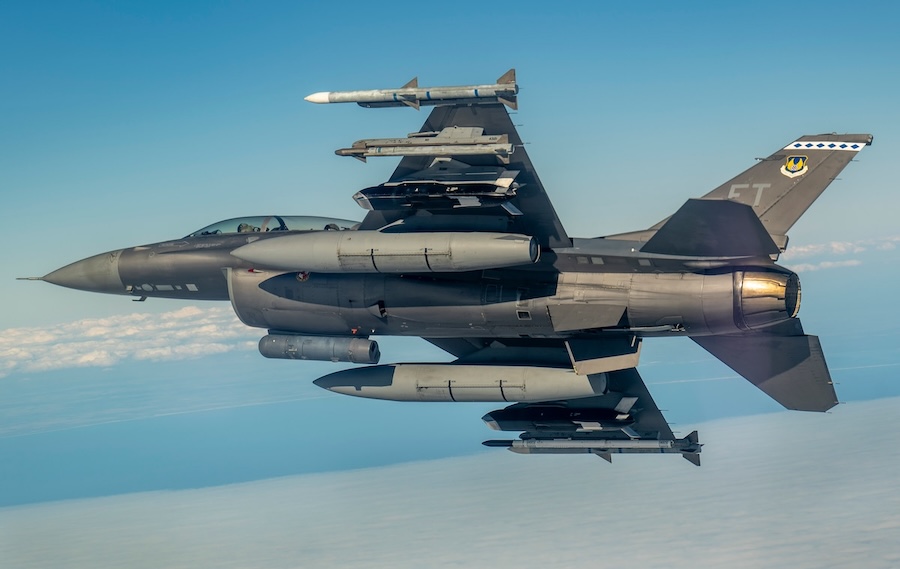
The test series included fit and functionality checks, validation of loading procedures and verification of flight compatibility between the munition and the aircraft. The effort concluded with successful carriage and release of the weapon from the F-16 during flight testing.
Brett Tillman, commander of the 780th Test Squadron, said: “This was a perfect demonstration of test readiness to meet warfighter needs.” He added: “Integrating the entire test team allowed us to safely test and deliver a critical capability at incredible speed. I am immensely proud of the tremendous work this team accomplished under such a tight deadline.”
The integration effort brought together multiple U.S. Air Force organisations. The 96th Test Wing led developmental testing, while the 53rd Wing oversaw operational testing and the Air Force Life Cycle Management Center supported program execution.
Taylor Wilson, commander of the 40th Flight Test Squadron, said: “The combined test team is laser focused on accelerating experimentation to deliver capability into the hands of warfighters, faster.” He added: “The team was able to rapidly generate and execute sorties to deliver crucial data for evaluating new, innovative warfighter capabilities.”
Wilson also highlighted the performance of operational personnel during the testing process. He said: “The ability of our operations and maintenance teams to execute this test series in such a short time emphasizes their professionalism and dedication towards the mission.”
The testing involved experimental configurations and expansion into high-risk flight envelopes. Officials said the effort demonstrated Team Eglin’s readiness, operational flexibility and ability to accelerate capability development for frontline forces.