

The investment is expected to create more than 2,000 jobs within Skydio and support over 3,000 additional roles across the domestic supply chain. More than $1 billion of the total funding will be directed to U.S.-based suppliers.
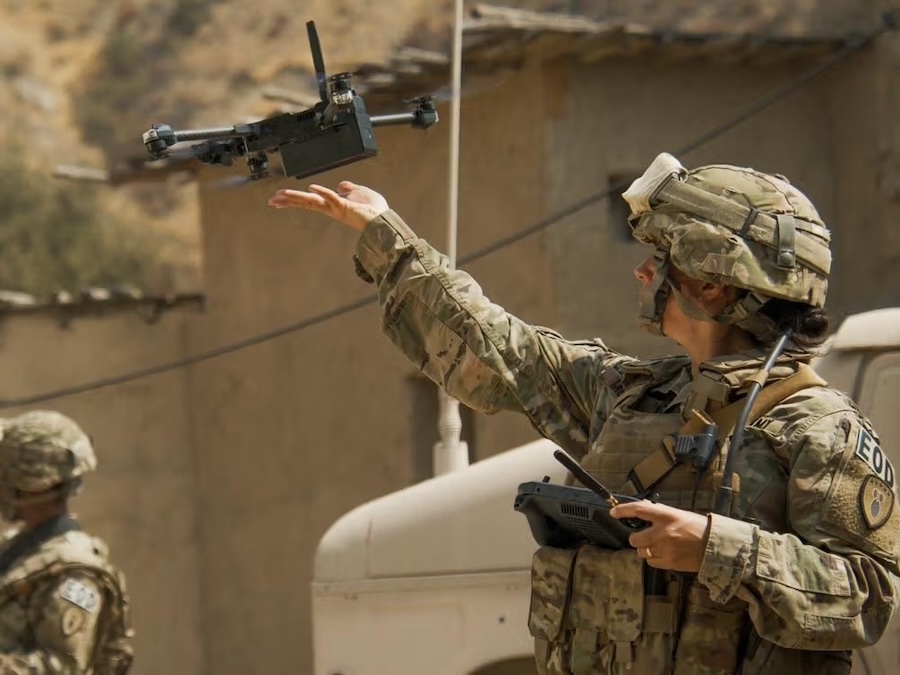
Skydio said it already produces more dual-use drones than any company outside China. The company has delivered over 60,000 systems to more than 3,800 customers, including public safety agencies, U.S. military branches, allied nations and commercial operators.
A central element of the expansion is the SkyForge program. This initiative is designed to support domestic production and reinforce U.S.-based manufacturing capabilities.
The company plans to open a new manufacturing facility that will be five times larger than its current site. This will mark Skydio’s fifth expansion in eight years as it responds to increased demand.
The investment will also support the development of domestic suppliers for critical components. Skydio said it will work with selected partners to co-locate production and provide access to engineering expertise.
Adam Bry, co-founder and Chief Executive Officer of Skydio, said: “U.S. innovation invented the airplane, ramped up manufacturing to win WWII, put a man on the moon, broke the sound barrier, and commercialized space travel.” He added: “Skydio has proven that American companies can compete and win in the civilian drone market against products from our adversaries.”
The company said drones have rapidly evolved into critical infrastructure tools across multiple sectors. Its systems are used in public safety, where aerial capabilities can support faster response times.
Skydio said its technology enables drones to arrive first at incident scenes in a majority of cases. In some situations, operations can be resolved without deploying additional units.
The company said the investment will reinforce domestic manufacturing of electronics and components. It also aims to strengthen secure supply chains that support national resilience.
Skydio said it will continue expanding production capacity to meet demand from public safety, national security and utility sectors. The company added that the initiative reflects a broader effort to position the United States as a leader in autonomous aerial systems.