The decision will also establish a second long-range fires regiment at the Edinburgh Defence Precinct in South Australia. Australian officials said the move followed a competitive evaluation process conducted by the country’s defence department.
The government said the decision aligns with the 2026 National Defence Strategy, which identified long-range strike capabilities as a key requirement for national defence. Officials said the second regiment would significantly expand the Australian Defence Force’s ability to engage targets at distances of up to 500 kilometres.
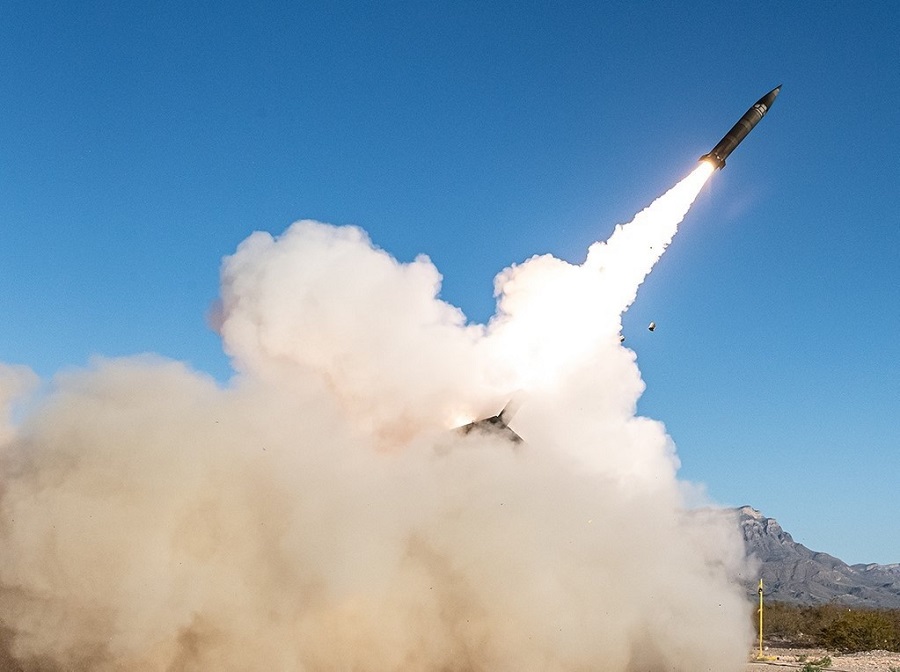
Future upgrades to the Precision Strike Missile are expected to extend that range to more than 1,000 kilometres. The government said the expanded capability would strengthen Australia’s ability to respond to regional contingencies and operate alongside allied forces.

Under the recently released 2026 Integrated Investment Program, Australia plans to invest up to A$37 billion over the next decade in targeting systems and long-range strike capabilities across the Australian Defence Force, including the navy, army and air force.
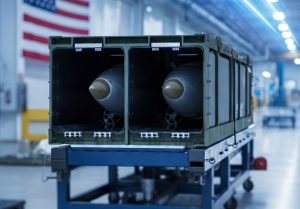
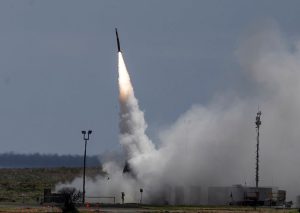
HIMARS is already in service with the Australian Army through its first long-range fires regiment. The launchers were used during Exercise Talisman Sabre 25, where forces fired a Precision Strike Missile two years ahead of schedule.
Officials said the second regiment would complement existing HIMARS capabilities by providing a mobile long-range strike platform. The government described the system as aligned with Australia’s strategic and operational requirements.
Australia is also seeking to establish a domestic missile manufacturing industry. Officials said missiles used by HIMARS would form part of that broader industrial effort.
The government said an Australian-made Guided Multiple Launch Rocket System (GMLRS) missile was test-fired earlier this month. It added that Australia and the United States launched a cooperative programme last year to support future domestic production of Precision Strike Missiles.
Deputy Prime Minister Richard Marles called the investment a major step for Australia’s defence capabilities.
“This is a decisive investment in Australia’s long range strike capability that will bolster our Defence Force and help keep Australians safe,” Marles said.
“This capability delivers on the National Defence Strategy direction to accelerate and expand the acquisition of land-based long-range fires to provide the ADF with a deployable strike capability to protect Australia’s northern approaches and contribute to sea control and sea denial,” he added.
Defence Industry Minister Pat Conroy said the programme would also support domestic manufacturing.
“To defend Australia, our Army needs a stronger long-range strike capability – and we’re delivering it,” Conroy said. “We’re already making missiles that can be fired from the HIMARS – and this decision will create even more demand for PrSM missiles within the Australian Army and deliver more opportunities for PrSM manufacture in Australia.”
Source: Government of Australia.