Additional demand from allies could raise annual production to 35,000 units. BAE will increase output while negotiating a multiyear contract under the framework.
The department said longer-term demand would allow BAE to purchase long-lead components and expand its skilled workforce. The agreement is intended to build inventories of precision weapons used to counter drones and other threats.
“The Arsenal of Freedom exists for one purpose: to guarantee our warfighters decisive advantage on the battlefield,” said Michael P. Duffey, under secretary of war for acquisition and sustainment. “By securing multi-year demand, this agreement keeps production lines running at capacity, provides our forces with interceptor inventory, and flips the cost calculus in the taxpayer’s favor.”
The expansion beyond 25,000 units would depend on partner nations formalizing demand through Foreign Military Sales Letters of Request. The department said allied purchases would support new domestic production lines and increase U.S. capacity to respond to sudden demand.
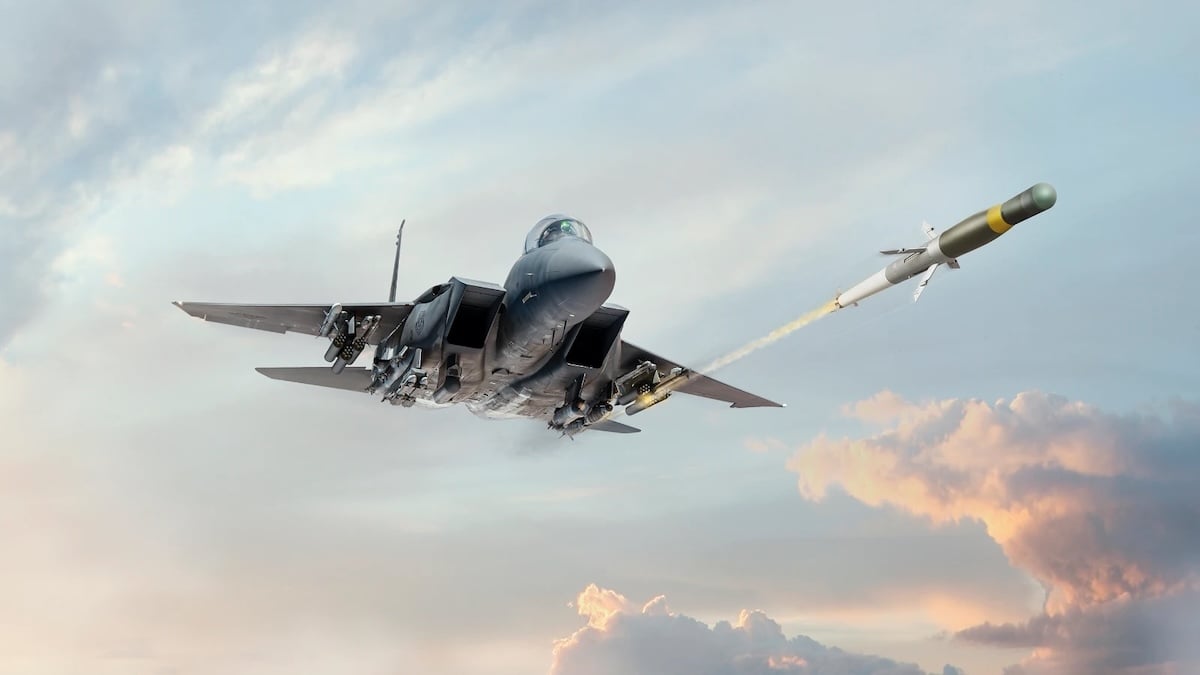
APKWS laser-guidance kits convert unguided 2.75-inch rockets into precision-guided munitions. They can be used across multiple platforms for air-to-surface, surface-to-surface, surface-to-air and air-to-air engagements.
The Army, Navy, Air Force and Marine Corps all field APKWS and participated in finalizing the agreement. The system is also available to allied customers.
“APKWS delivers proven, reliable and affordable precision at scale to counter evolving threats and ensure our warfighters maintain a decisive advantage,” said Tom Arseneault, president and chief executive of BAE Systems, Inc. “This agreement highlights the importance of sustained investment in critical munitions to strengthen readiness and equip forces for evolving operational needs.”
BAE produces the kits in Hudson, New Hampshire, and Austin, Texas. Alongside its capacity expansion, the company is developing upgrades and mission-specific variants.