Helsinki and Paris discussed the initiative at the highest political level and through official channels. The talks have now concluded with a joint statement confirming Finland’s participation.
French President Emmanuel Macron launched the initiative in March 2026 under the concept of “forward deterrence”. Eight countries initially joined, followed later by Norway.
“The French initiative will strengthen Europe’s increasingly active approach to defence. Its objective is to reinforce security and deterrence across Europe,” Finnish Defence Minister Antti Häkkänen said.
“France is a European nuclear power that plays a key role in strengthening the defence of Europe. Finland joining the French initiative will significantly deepen our bilateral defence cooperation with France and strengthen the security of Finland,” Häkkänen said.
Norway, Sweden and Denmark have already joined the initiative. Häkkänen described Finland’s participation alongside its close Nordic allies as a natural step.
The French initiative will remain separate from NATO’s nuclear deterrence and will not duplicate its structures. Finland continues to view NATO’s nuclear-sharing arrangements and the US extended deterrent as the ultimate guarantee of allied security.
Participating countries will determine their own pace and level of involvement. They will not receive collective defence guarantees from France or be required to help finance the French nuclear deterrent.
“The joining countries will not have obligations like NATO’s collective defence. Moreover, France is not asking the other countries to contribute to the costs of maintaining the nuclear deterrence,” Häkkänen said.
France will retain sole authority over its nuclear weapons and decisions involving its vital national interests. Its nuclear doctrine will also retain a strictly defensive character.
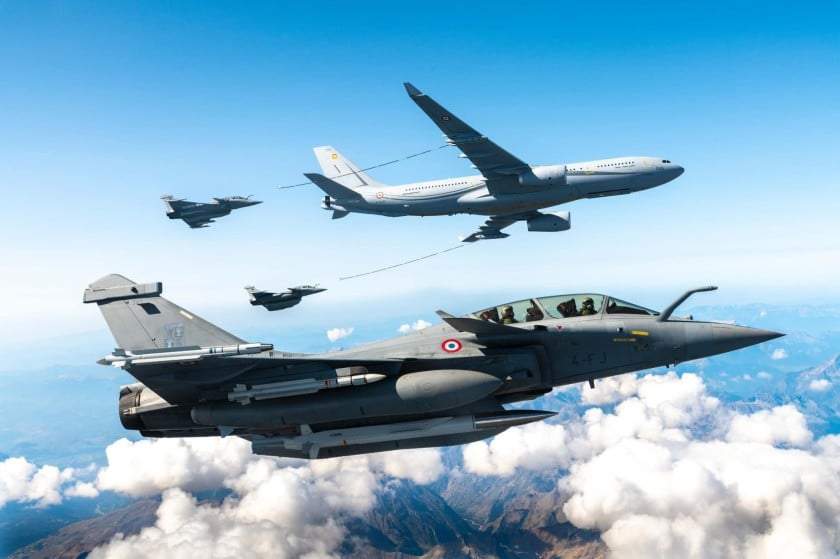
Potential cooperation ranges from policy discussions to operational activities involving conventional forces. It may include observing joint drills, contributing conventional capabilities or hosting elements of France’s strategic air forces on a temporary basis.
“Examples of possible forms of cooperation include dialogue on the French nuclear doctrine, joint exercises where the joining country is an observer or contributes conventional capabilities or, ultimately, the temporary deployment of elements of French strategic air forces in the allied country”, Häkkänen said. Finnish and French officials will now discuss how to begin the cooperation before negotiating detailed arrangements.
Finland said its participation is consistent with its international obligations. The Treaty on the Non-Proliferation of Nuclear Weapons and the Comprehensive Nuclear-Test-Ban Treaty will continue to apply unchanged.
“Europe must assume a greater role both in conventional defence and in nuclear burden sharing. Discussions on reinforcing nuclear deterrence and strengthening the security of Europe are essential for Finland’s defence,” Häkkänen said.