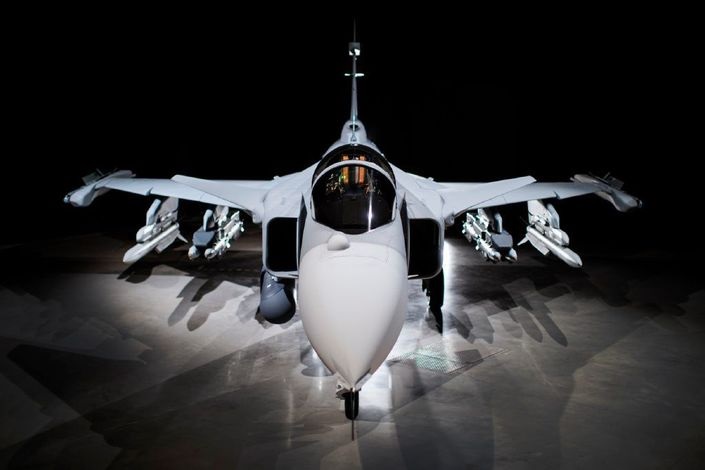
The award places GKN Aerospace within Sweden’s Future Combat Air System Concept Programme, known as KFS. The work will help inform decisions on how the country maintains its combat air capability beyond 2040.
The contract is part of the Vägval Stridsflyg programme and continues activities started in 2024. FMV, the Swedish Armed Forces, the Swedish Defence Research Agency, Saab and GKN Aerospace will conduct the work jointly.
GKN Aerospace will focus on several technologies that Sweden considers important for future combat air systems. These include thermal management, increased onboard electrical power and propulsion-related systems.
Thermal-management work will examine how future aircraft can handle heat generated by propulsion units and onboard equipment. The company will also study technologies intended to reduce aircraft detectability.
“This contract enables us to continue developing and validating technologies that could prove critical to future combat air systems,” said Sara Eklöf, senior vice-president for governmental solutions, defence and space at GKN Aerospace. “Through close collaboration between government agencies, industry and research organisations, we are strengthening Sweden’s technological expertise in a strategically important area.”
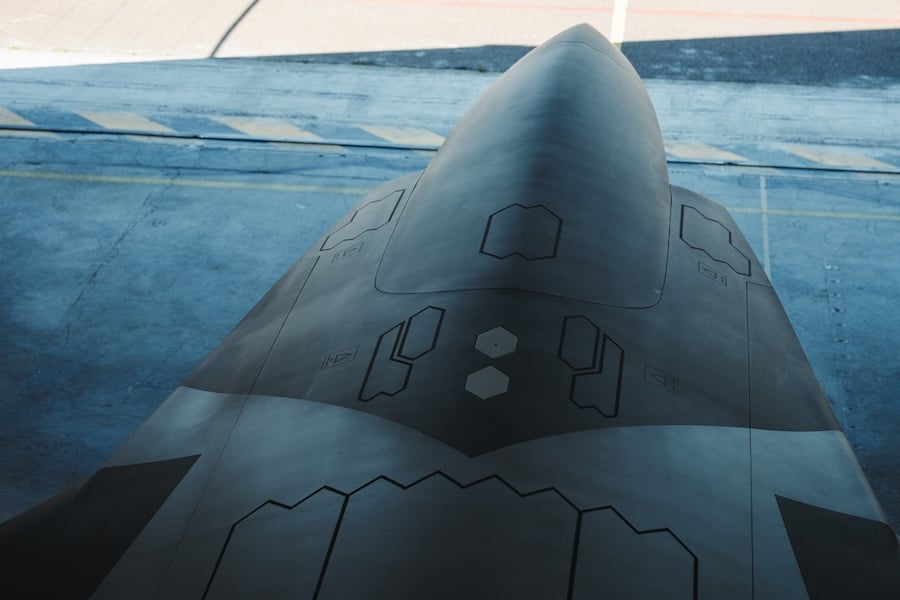
The programme will also test new approaches to developing and introducing future air systems. Demonstrator work will allow Sweden to assess both individual technologies and the methods used to bring them together.
GKN Aerospace will provide analysis and assessments of military propulsion systems. The company said it would draw on its established relationships across the international aerospace and defence sectors.
“For nearly 100 years, GKN Aerospace has been part of the development of Sweden’s military aviation capability,” Eklöf said. “By combining specialist expertise in propulsion with international market knowledge and a broad systems perspective, we contribute to the development of the next generation of combat air systems.”
The work will continue through 2028 and feed into Sweden’s longer-term combat air planning. Its findings will support future decisions on technology, development methods and military capability beyond 2040.