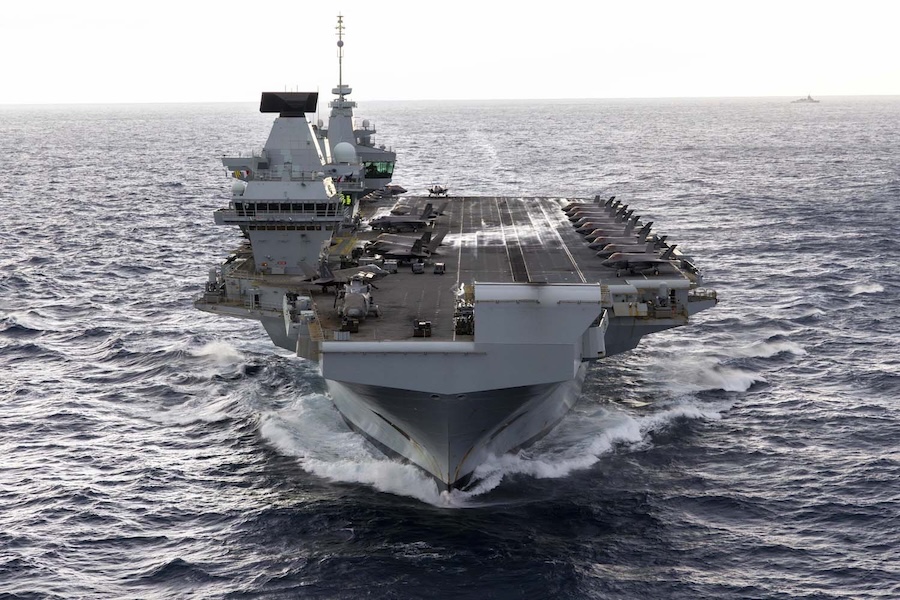
The carrier has faced several technical problems since entering service. A senior naval source told the Daily Mail that the latest difficulties were “devastating for morale”.
The incident comes as ministers face pressure over defence funding. Prime Minister Sir Keir Starmer is under pressure to publish a delayed review into increasing defence spending, which is due next week.
HMS Prince of Wales also broke down in 2022 while travelling to joint exercises with the US Navy and the Royal Canadian Navy. It had to be towed back to harbour after that failure.
The latest problem comes as Sir Richard Knighton, the chief of the defence staff, warned that threats against Britain are higher than at any time since the Cold War. He said Russian aircraft had entered NATO airspace in the first five months of 2026 as many times as during all of last year.
Knighton said Britain’s armed forces must improve their ability to respond to threats. He said that was needed to “deter our adversaries from doing something daft” and warned that Russia was close to “crossing a line”.
“I’m very clear that this is the most dangerous time I have known in my working life,” Knighton told BBC Radio 4’s Today programme. “The risks and threats to this country are greater than I have known since the Cold War … Russia is definitely raising the stakes and risks crossing a line.”
Knighton also said last year’s strategic defence review was a “call to arms”. He said the armed forces should prepare for prolonged warfare similar to the conflict in Ukraine.
“And it is important that society and all of us recognise and understand that, and that may mean that we need to make different choices and different priorities,” he said.
Source: The Times.