According to Lockheed Martin, the operational exercise involved cooperation with the United States Army’s 25th Infantry Division, the Capability Program Executive Command and Control Information Network, the Armed Forces of the Philippines, the I Marine Expeditionary Force, I Corps and the 613 Air Operations Center. The activities were conducted simultaneously from Hawaii, the continental United States and the Philippines.
The company stated that the event marked the first division-level demonstration of cross-domain data sharing within the 25th Infantry Division operational environment across multiple geographically dispersed locations. Lockheed Martin said the results of the Balikatan Counter Landing Live Fire exercise are expected to support Army modernization planning for large-scale combat operations in the Indo-Pacific.
During the exercise, the NGC2 prototype connected sensors and edge nodes in the Philippines with command nodes in Hawaii and the continental United States using cloud-enabled operational support. According to Lockheed Martin, the system provided U.S. and allied forces with a real-time, unified operational picture across a distributed and contested theater.
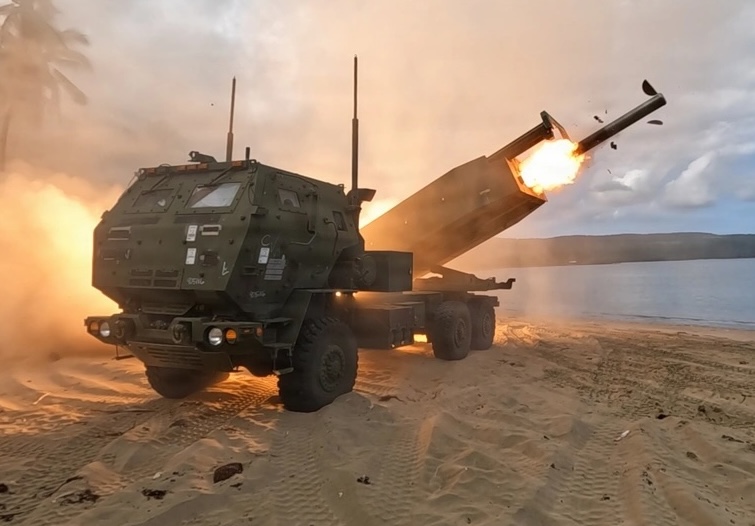
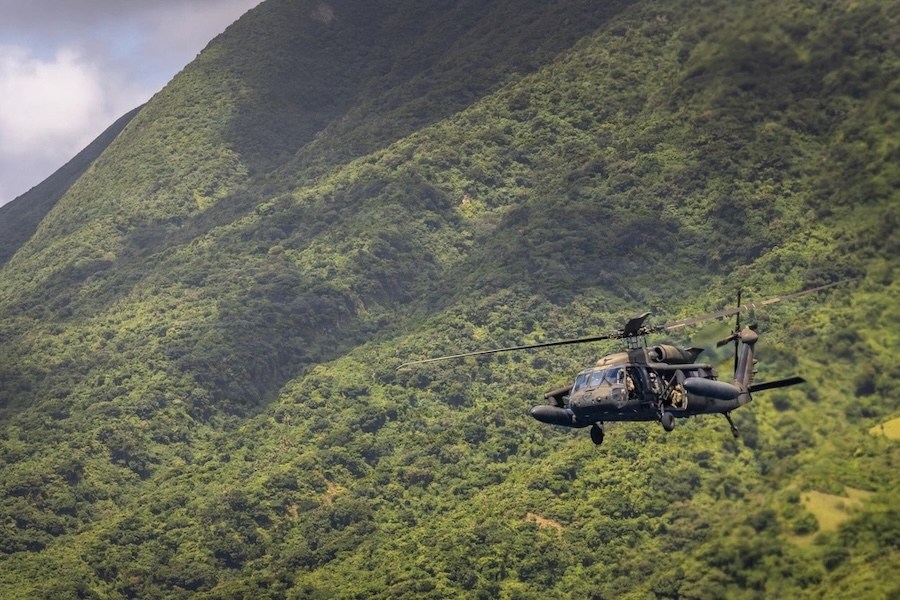
The company said soldiers tested end-to-end sensor-to-shooter workflows in contested operational conditions. Apache helicopters, howitzers, mortars and HIMARS systems conducted fire missions while the NGC2 platform recorded and displayed live operational data, including performance metrics and battle damage assessments.
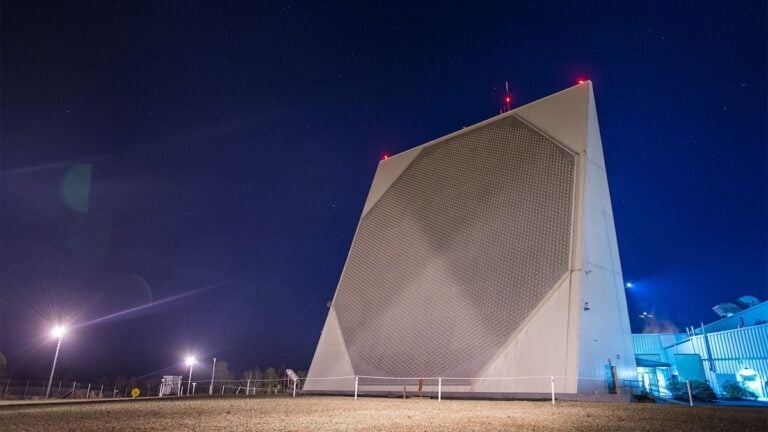
Lockheed Martin also stated that the system integrated radar and data-link information into a single airspace management interface. According to the company, the platform streamed live GPS and flight-path data to provide real-time visualization of airspace corridors and immediate “safe to fire” cues for both pilots and ground-based operators.
The company added that allied forces used the system to share mission data between divisions and coordinate fire missions across multiple security classification levels. Lockheed Martin said the NGC2 prototype supported reliable data ingestion, storage and distribution to maintain a consistent operational picture for participating forces.
Chandra Marshall, vice president of Multi-Domain Combat Systems at Lockheed Martin, said, “During Balikatan, success came down to how well we could integrate across Army units, joint forces and Indo-Pacific partners.”
“That ability to operate seamlessly across the coalition is what makes Team Lockheed Martin’s NGC2 prototype real,” Marshall added.
Balikatan is a bilateral military exercise between the United States and the Philippines focused on combined air, land, sea, cyber and space operations. Lockheed Martin stated that the demonstration was conducted together with Lightning Surge 3, the third event in a series intended to incrementally expand NGC2 data-layer capabilities.
The company said it is collaborating with several industry partners on the NGC2 programme, including Amazon Web Services, Raft, Lyntris and Rune. According to Lockheed Martin, future Lightning Surge exercises will continue incorporating soldier feedback and additional functionality into the NGC2 architecture, with Lightning Surge 4 expected to focus on logistics support operations for the 25th Infantry Division.