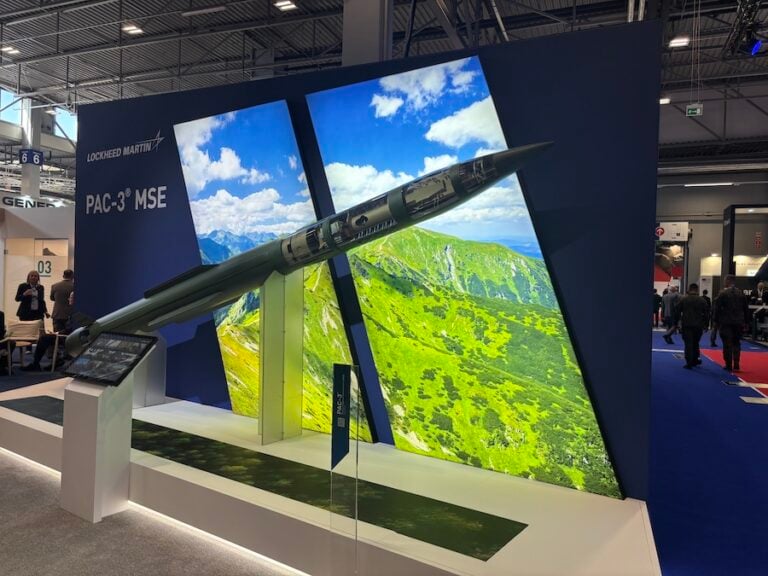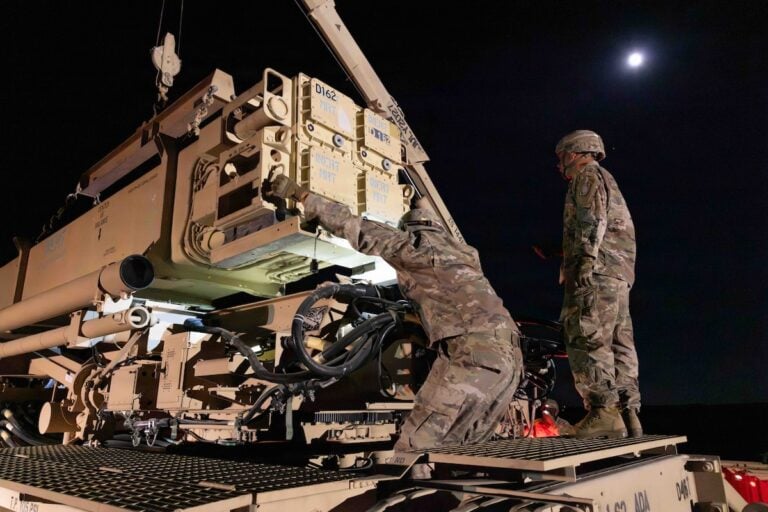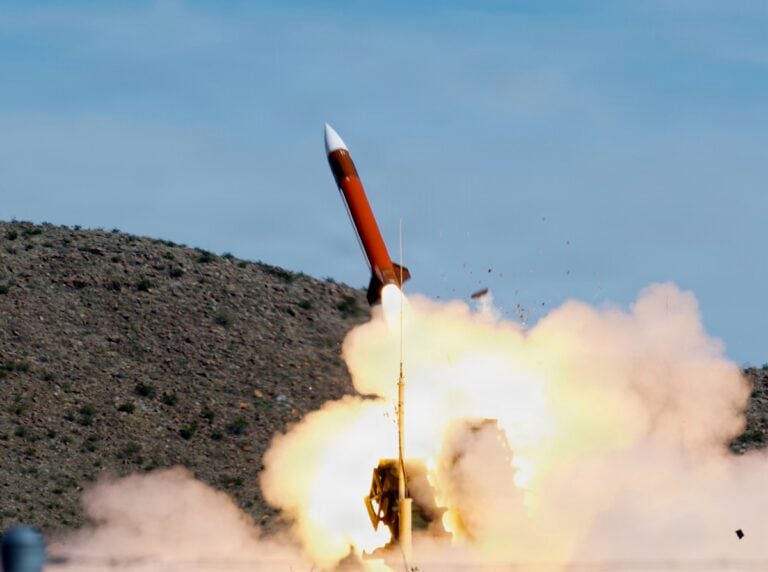
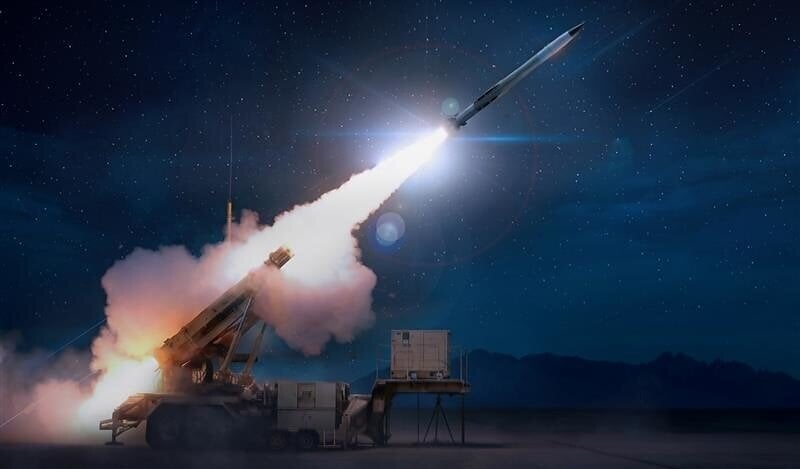
The agreement was signed on August 6, and the first batch of PAC-3 MSE housing components arrived on August 28. Lockheed Martin said parts that can traditionally take months or years to produce were delivered in less than a month.
GM Defense used its advanced casting and machining capabilities to manufacture the components to military specifications. The partnership combines those commercial production methods with Lockheed Martin’s defense supply chain and missile manufacturing operations.
“This extraordinary 22-day turnaround underscores Lockheed Martin’s relentless focus on execution – delivering for our troops faster, with greater capacity,” said Tim Cahill, president of Lockheed Martin Missiles and Fire Control. “Our partnership with GM Defense is a concrete example of how we’re merging world-class commercial manufacturing with defense supply chain and production practices and rapidly translating that into battlefield readiness for the United States.”
The companies plan to build on the initial delivery by applying commercial manufacturing practices across other munitions programs. Their longer-term plans also cover production capabilities for future U.S. and allied defense systems.
“We’re proud to support production of this country’s critical defense capabilities,” said Stephen duMont, president and CEO of GM Defense. “Our partnership with Lockheed Martin leverages GM’s precision-fabrication expertise and ability to manufacture with quality at scale.”
Lockheed Martin is separately working with the U.S. Department of War to use commercial-style contracts for PAC-3 MSE, the Terminal High Altitude Area Defense system and the Precision Strike Missile. The company said the contracting approach is intended to accelerate output and strengthen the domestic defense industrial base.
Lockheed Martin plans to invest between $8 billion and $9 billion to increase munitions production. The spending will fund new buildings, facility expansions and thousands of jobs across more than 20 sites in the United States.
The planned expansion will increase the company’s munitions production and warehousing space by almost 50%. Lockheed Martin said the additional capacity will help it deliver weapons more quickly to U.S. forces and allies.