
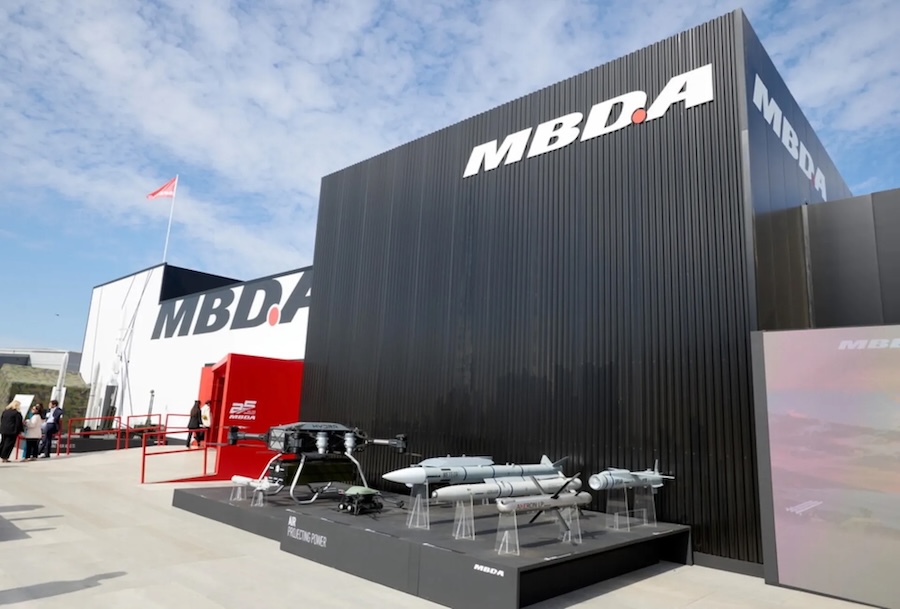
The company said autonomous and uncrewed systems are spreading across every domain and shortening the time needed to design, develop and field new platforms. It argued that, even as platforms change quickly, the operational effects required by integrated forces will remain constant.
MBDA said its focus extends beyond the delivery of individual weapons. The company is seeking to provide integrated combat effects that help uncrewed systems survive, penetrate contested environments and deliver operational advantage at optimal cost-per-effect ratios.
In this model, weapons and enabling technologies are no longer treated as accessories to a platform. MBDA said they are becoming fundamental to whether that platform remains operationally relevant.
Future force design will rely on a complementary mix of kinetic and non-kinetic effects, according to the company. MBDA said its weapons and technologies can support lethal entry into high-threat density areas for the wider force.
The company also said the rapid evolution of uncrewed systems requires a shift in how industry develops and delivers capability. Traditional acquisition timelines are increasingly incompatible with operational demand, placing greater weight on agile cooperation between government, prime contractors and SMEs.
At Farnborough, MBDA highlighted a strategic memorandum of understanding with General Atomics as one example of that approach. The company said the relationship builds on more than a decade of cooperation and is intended to reduce integration timescales by allowing work to begin ahead of formal requirements.
The companies are exploring SPEAR integration on MQ-9B and the Gambit Collaborative Combat Aircraft. MBDA said the work is intended to optimise lethality and increase operational options in high-threat density areas.
SPEAR provides stand-off range, precision and mission flexibility, according to MBDA. When combined with Gambit, the company said operators could engage high-value targets while remaining beyond the range of sophisticated Integrated Air Defence Systems.
MBDA said SPEAR integration could also support deep precision strike from MQ-9B SkyGuardian platforms. It linked that potential pathway to the recent integration of Brimstone 3 onto the Royal Air Force’s MQ-9B Protector.
The company separately pointed to its second investment in Hybrid Drones Ltd. MBDA said the partnership reflects its commitment to strengthening the UK’s sovereign industrial base.
Hybrid Drones and MBDA are combining experience, innovation and agility to deliver a dual-use capability with combat credibility, according to the company. MBDA said it is supporting the SME through technical mentoring, systems engineering expertise and access to the wider defence enterprise.
The wider message from MBDA was that uncrewed air systems will need to be shaped around the effects they can deliver, not only the platforms themselves. The company said blended combat effects and closer partnerships will help the UK and its allies respond more rapidly to emerging threats.