NATO Allied Air Command, or AIRCOM, hosted the Flexible Deterrent Option activity to rehearse Integrated Air and Missile Defence. Germany, Italy, Latvia, Spain, Türkiye and the United States contributed aircraft or ground assets.
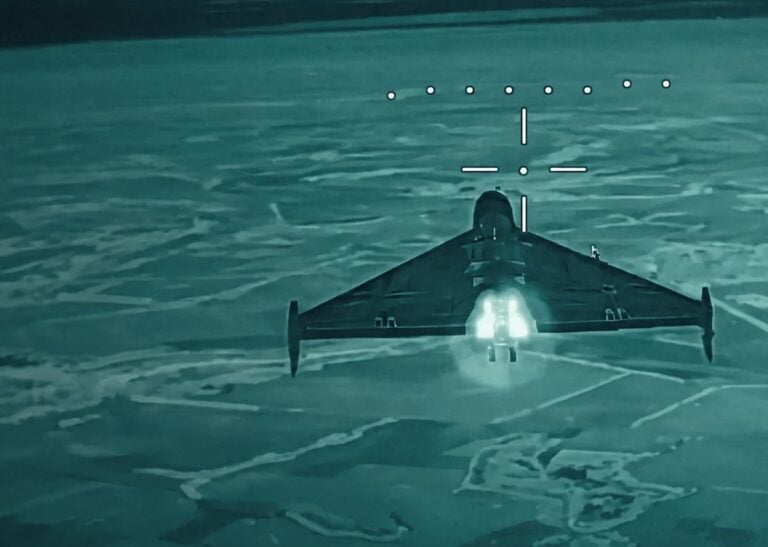
The new framework establishes unified rules, guidelines and operational procedures for responding to threats to NATO airspace, including drones. AIRCOM said it gives commanders greater flexibility to integrate and direct Allied forces across the Supreme Allied Commander Europe’s area of responsibility.
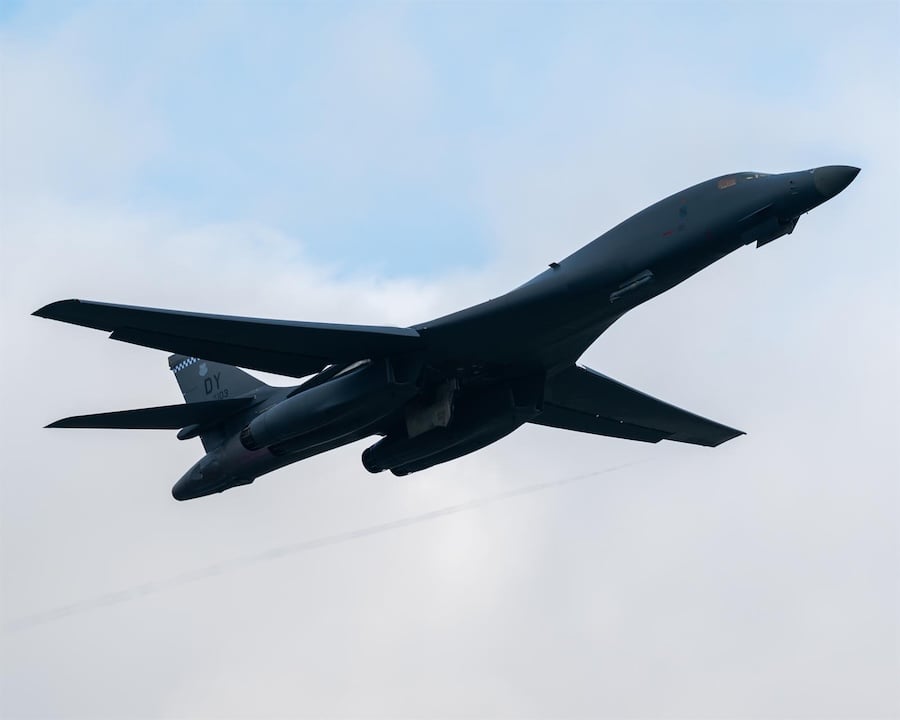
German and Italian Eurofighters, Spanish F-18 Hornets and Turkish F-16 Fighting Falcons participated alongside the B-1B in a “red versus blue” scenario. Some of the fighters are already serving in NATO detachments supporting air defence in the Baltics.
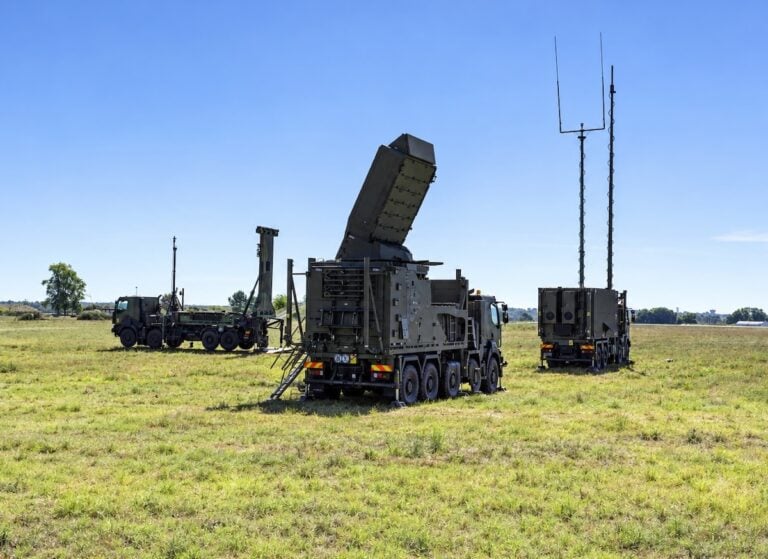
The Multinational Multi-Role Tanker Transport Unit provided Airbus A330 aircraft, while Italy contributed a KC-767A refuelling tanker. Spanish and Latvian ground assets supported simulated air defence operations across multiple domains.
AIRCOM assigned Joint Force Air Component responsibilities to the French Air and Space Force, with a French commander overseeing the mission. The arrangement reflects NATO’s practice of periodically transferring operational command and control to certified national air command structures.
“Each FDO brings us closer to realizing the full potential of NATO’s new defence design,” said U.S. Lieutenant General Jason T. Hinds, Commander of NATO AIRCOM. “By training together and sharing knowledge, tactics and resolve, participating nations enhance the readiness of the entire Alliance from the High North to the Black Sea.”
Flexible Deterrent Option activities allow NATO to rehearse rapid force integration and refine tactics, techniques and procedures. AIRCOM said the training is intended to strengthen readiness while maintaining a defensive and proportionate posture to protect Allied territory, populations and airspace.