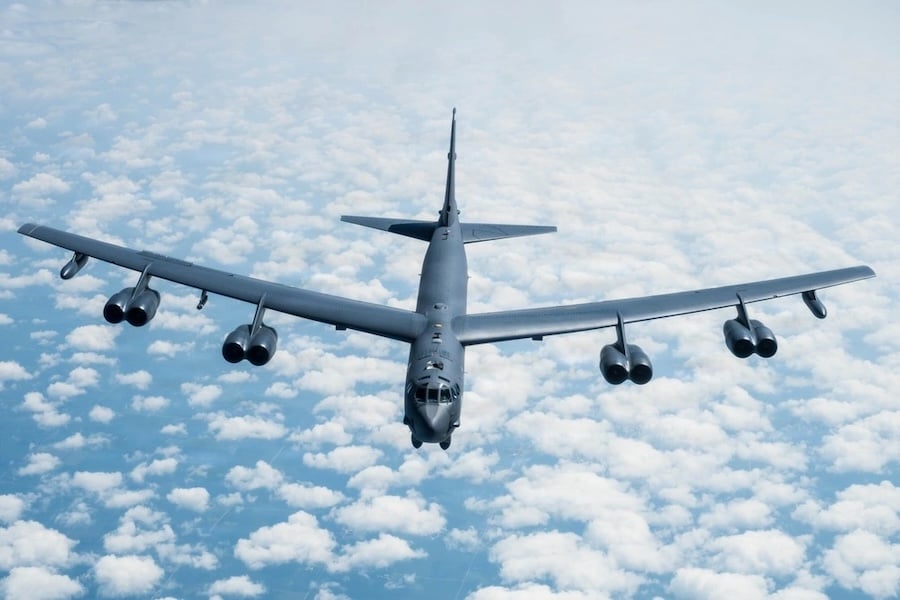
Gen. S.L. Davis, head of Global Strike Command, presented the figures during the Air and Space Forces Association’s Air, Space & Cyber Conference on Sept. 16. He linked the command’s efforts to the readiness priorities established by Air Force Chief of Staff Gen. Ken Wilsbach.
“Flying and fixing really is readiness,” Davis said. “Global Strike has been getting after that with the North Star Readiness Campaign. It’s been a real team effort.”
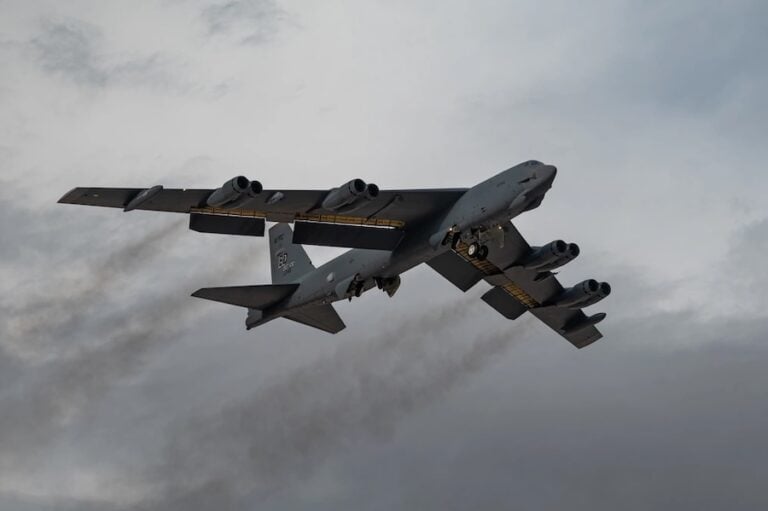
The North Star Readiness Campaign is designed to increase the number of mission-capable B-52 and B-1 Lancer aircraft. Its focus extends across aircraft operations, maintenance, depot work, supply chains and logistics support.
The reduction in mission-impacting part problems, known as MICAPs, has eased pressure on maintenance units. Teams can now devote more attention to high-priority backorders and emerging equipment failure trends instead of concentrating primarily on immediate emergencies.
Davis said the improvements depended on the personnel sustaining flight and maintenance operations, including during periods of conflict. He also pointed to the operational experience Airmen have gained during recent engagements.
“The Airmen are doing fantastic,” Davis said. “When you talk about flying and fixing to fight, it is the Airmen that get that done … we’ve got a generation of Airmen who are going to come back home with combat experience that will be priceless.”
Global Strike Command supported Operations Midnight Hammer and Epic Fury while continuing its standing strategic responsibilities. The command has maintained a 24-hour, 365-day, no-fail nuclear mission for more than 60 years while also supporting conventional operations.
Davis said improving readiness required an enterprise-wide response involving operators, maintainers, depot teams, supply personnel and logistics partners. The approach is intended to give Airmen the resources they need while allowing persistent problems to reach senior commanders.
“We’re not doing this by asking our Airmen to do more and work harder,” Davis said. “We’re trying to help them work smarter … we’re giving them the things they need, and we’re allowing them to elevate issues and barriers to their success up to the three- and four-star levels so we can get after those.”
The command is also using long-range CONUS-to-CONUS missions to employ bombers without permanently moving them closer to an operation. Such flights often exceed 30 hours for B-1, B-2 and B-52 aircrews, but allow the aircraft to return to established maintenance and support infrastructure at their home stations.
“[In the past] when we thought a conflict was kicking off, the first thing we’d do was start sending bombers forward—and that actually consumes our readiness,” Davis said. “When bombers are back at home station, they build readiness.”
Davis was joined by Lt. Gen. Linda S. Hurry, commander of Air Force Materiel Command; Lt. Gen. Daniel H. Tulley, commander of Air Mobility Command; and Maj. Gen. Jon A. Eberlan, Air Combat Command’s director of logistics, engineering and force protection. The panel concluded with a shared emphasis on cooperation, fleet readiness and providing Airmen with the authority and resources required to sustain operations.