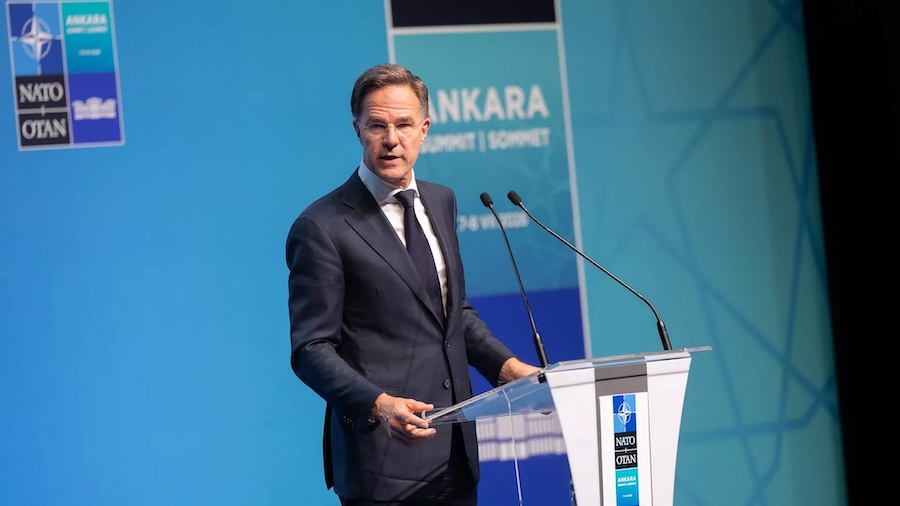
The first initiative, called the NATO Front Door for Industry, is designed to give companies a single access point for NATO procurement opportunities, innovation events and other engagement channels. NATO said the platform will make it easier for industry to understand where the Alliance needs support and how companies can take part.
As part of the initiative, NATO will for the first time publish a consolidated unclassified demand signal. Developed by NATO defence planners, it will outline key innovation priorities and capability requirements for the coming years and will be made available through the Front Door platform.
“Today, we are launching the NATO Front Door for Industry. This is a new platform to improve awareness of opportunities and streamline engagement with the Alliance,” Rutte said.
Rutte also announced the NATO Engine, a framework aimed at increasing industrial production capacity across the Alliance. The initiative will connect available factory capacity and encourage cross-border cooperation between companies in Europe, Canada and the United States.
The Secretary General said the new framework responds to the scale of NATO’s growing capability needs. He said the NATO Engine was created because “no one nation has the industrial capacity required to meet the large and growing demand,” particularly for air defence and strike capabilities.
NATO said the two initiatives are part of a broader effort to convert higher defence spending into usable military capability more quickly. The measures were presented at the forum as Allies work to implement the 5% GDP defence investment commitment.
The initiatives reflect NATO’s push to give industry clearer signals, reduce barriers to cooperation and make better use of production capacity across member states. They also point to a more structured effort to link procurement demand, innovation and industrial output as the Alliance seeks to strengthen deterrence and readiness.