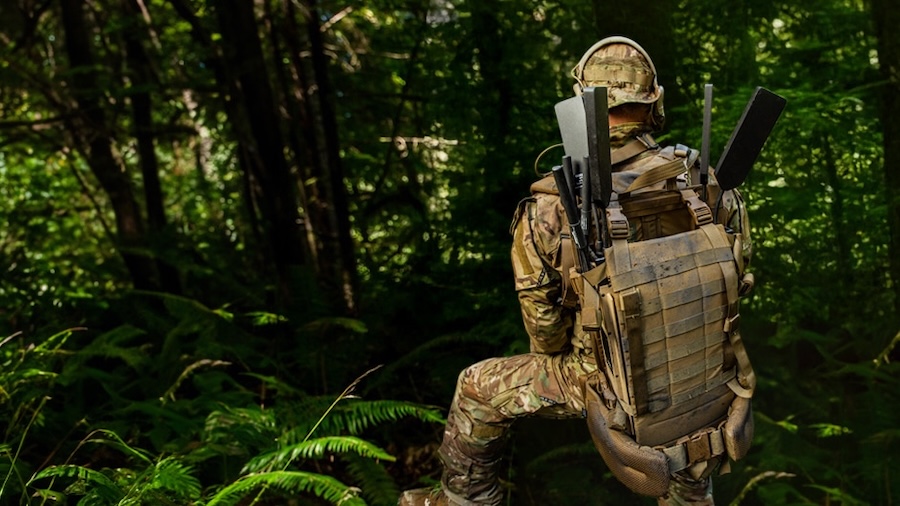
The companies said the first operational capabilities under the partnership are now being developed as European defence forces accelerate the use of AI in military operations. The focus is on ensuring that communications, sensing and mission planning can remain connected and trusted when forces operate under electronic attack or other battlefield constraints.
The partnership is centred on three integrated capabilities for modern operations. They cover AI-enabled command and control on deployable 5G networks, mission planning with assured connectivity, and earlier threat detection and response.
The first capability combines Nokia’s deployable 5G networks with NestOS, NestAI’s adaptive operating system for battlefield operations. The companies said the aim is to help European forces maintain command and control, support autonomous systems and reduce dependence on fixed communications infrastructure.
The second capability integrates Nokia’s radio-network planning models into NestOS mission-planning tools. This is intended to allow forces to assess, plan and adjust connectivity as part of a mission, reducing the risk of coverage gaps during fast-moving multidomain operations.
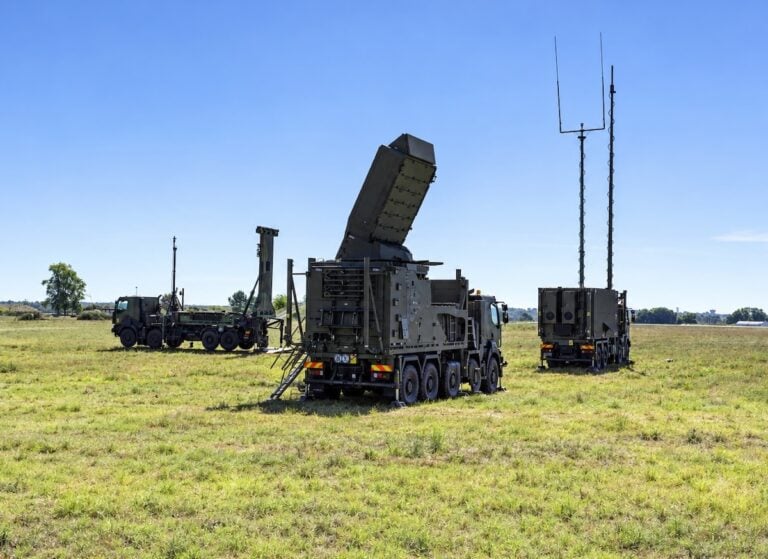
The third capability brings together Nokia’s Integrated Sensing and Communications early-detection technology with NestAI’s multi-sensor tracking. Nokia and NestAI said the system is designed to give operators earlier wide-area threat awareness and support faster decisions, including in contested environments where connectivity is limited.
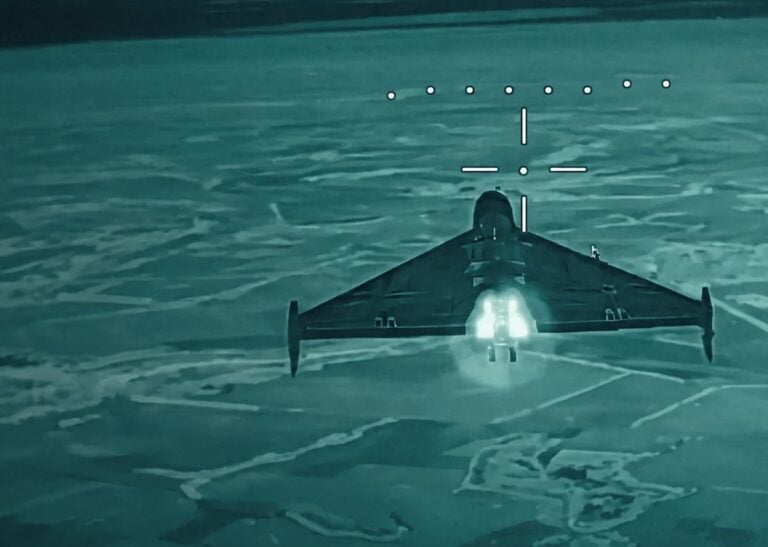
The companies said the capabilities are being built for conditions that modern forces increasingly face, including denied communications, active electronic attack and emerging drone threats. They said the technologies are developed in Europe and built to NATO operational requirements.
“Defense is moving quickly to adopt AI-enabled capabilities, from mission planning to unmanned operations. But AI only works in the field when it has secure, resilient connectivity behind it. Together with NestAI, Nokia is accelerating the sovereign technologies NATO needs to operate, decide and act in the next generation of missions,” said Mikko Hautala, Chief Geopolitical & Government Relations Officer and Chairman, Nokia Defense.
“Most defense AI is built on assumptions about connectivity, sensor access, and infrastructure that do not hold in contested environments. What we are building with Nokia addresses the real conditions European forces face, from the network underneath to the threats at the edge, on technology that Europe develops and controls,” said Peter Sarlin, Founder and Executive Chairman, NestAI.
Nokia and NestAI said the partnership reflects the need to link AI tools with resilient battlefield networks and reliable sensor data. The companies said the work is intended to support European forces as they seek to operate, decide and respond more effectively in contested environments.