
Eastern Sentry reflects a shift from a traditional air policing approach towards a broader air defence posture. NATO said the focus is on protecting Alliance territory, populations and forces.
The initiative is intended to improve NATO’s ability to detect, track and respond to threats. It does so through a coordinated, multi-domain approach that integrates capabilities across the Alliance.
“Eastern Sentry is NATO’s response and shift from an air policing mindset to an air defence mindset,” said Lieutenant Colonel “Thor”. “It is a shift from the air policing connotation of controlling the skies to protecting where and when NATO can.”
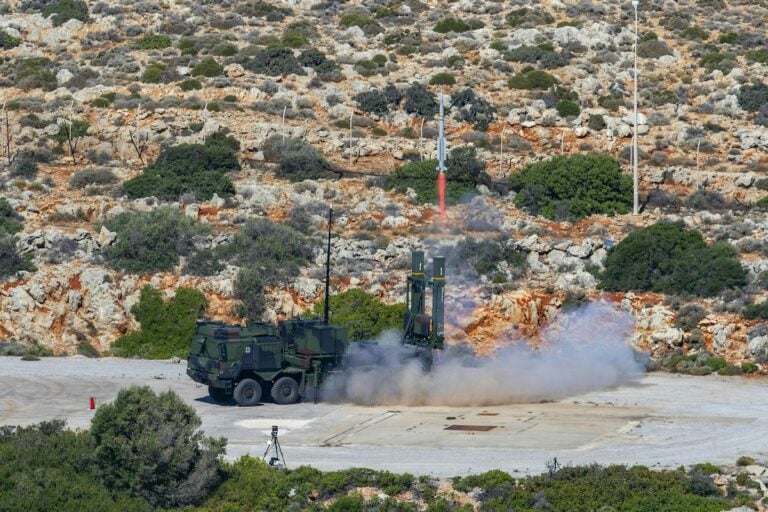
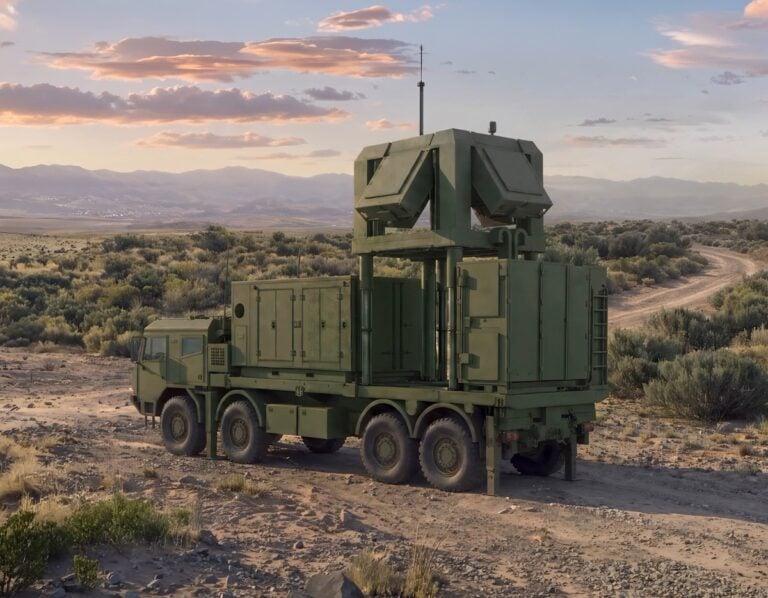
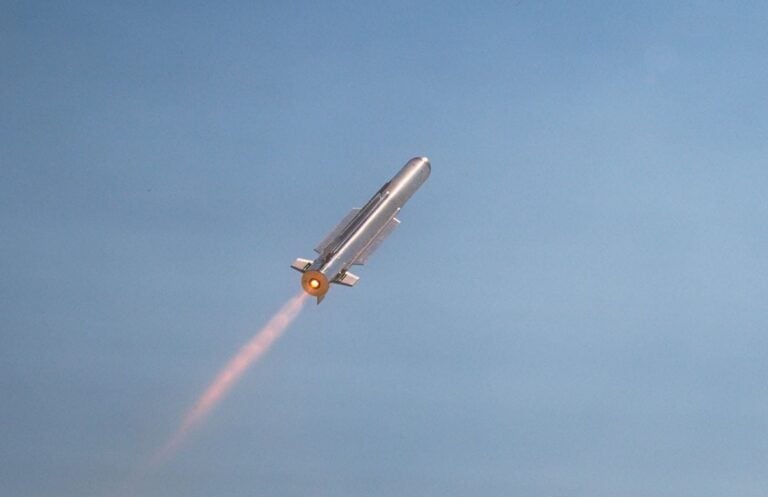
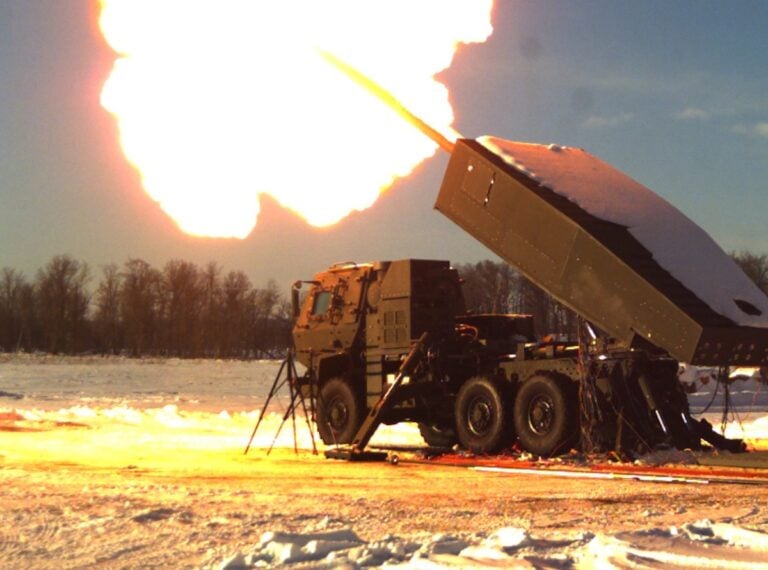
The operation brings together a range of Allied capabilities under a single command structure. These include fighter aircraft, surface and sea-based air and missile defence systems, surveillance and reconnaissance platforms, maritime assets, mobile radar systems and command-and-control networks.
NATO said these capabilities contribute to a layered defensive posture. The aim is to detect, track and respond to threats across the Eastern Flank.
A central feature of Eastern Sentry is its emphasis on multi-domain integration. Air operations are coordinated with land, maritime, cyber and space capabilities to create a comprehensive defensive network.
“There is no silver bullet to solve the threat of airspace violations,” Thor said. “It is important that the various domains work together to identify solutions for the evolving threat.”
NATO said one example is its work on counter-unmanned aerial systems. Allied Air Command is coordinating closely with NATO’s land component to improve integration, innovation and experimentation against emerging drone threats.
Eastern Sentry also strengthens NATO’s Integrated Air and Missile Defence architecture. The initiative connects sensors, command-and-control systems and effectors across the Alliance.
NATO said this enables faster decision-making, improved situational awareness and timely use of defensive capabilities. It also helps ensure that the right capabilities are positioned and connected when a response is required.
The initiative’s focus on flexibility and agility will continue during Exercise Ramstein Flag 2026. The exercise will take place from 8 to 18 June across Europe.
During the exercise, Allied forces will train Integrated Air and Missile Defence, counter anti-access and area denial, Agile Combat Employment, command and control, and interoperability. NATO said the activity will further refine the Alliance’s ability to deliver a rapid and coordinated response in defence of the Eastern Flank.
NATO said Ramstein Flag 2026, as part of Eastern Sentry, demonstrates the Alliance’s commitment to deterrence and defence. The initiatives are intended to strengthen readiness while helping safeguard NATO territory, populations and airspace through a defensive, proportionate and coordinated approach.