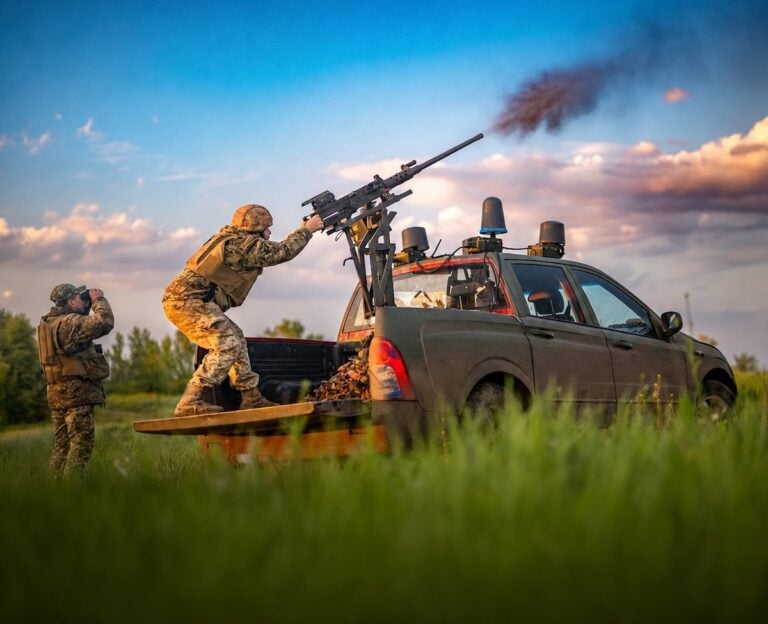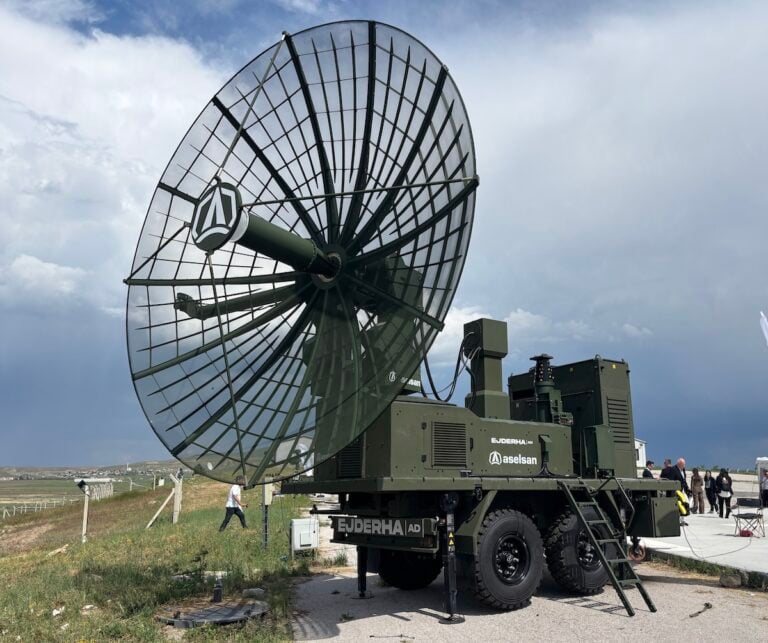
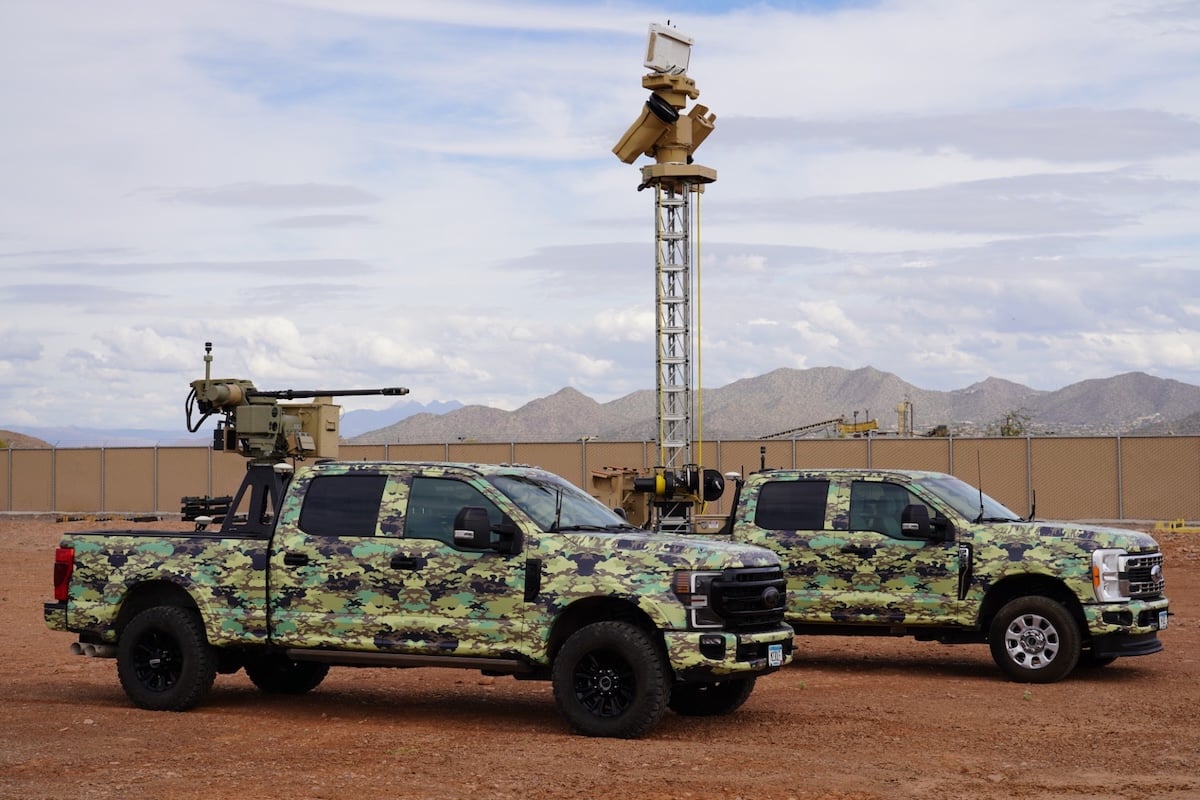
M-ACE, short for Mobile Acquisition Cueing and Effector, detected, identified and tracked the drones before giving a nearby M230LF cannon precise target locations. The 30×113 mm weapon then engaged them with XM1211 proximity ammunition.
“By integrating these proven capabilities, we’re delivering an effective, scalable counter-drone solution that warfighters are using today,” said Dave Fine, Northrop Grumman’s vice president for armament systems. “This integrated approach enables rapid drone detection and defeat while on the move, delivering the responsiveness and mobility needed to counter evolving threats.”
Northrop Grumman and the U.S. Army are investing in equipment, facilities and tooling to increase production of Bushmaster guns and advanced ammunition as global demand grows. The company said automated manufacturing and testing were helping improve quality and efficiency while the investments were intended to shorten lead times.
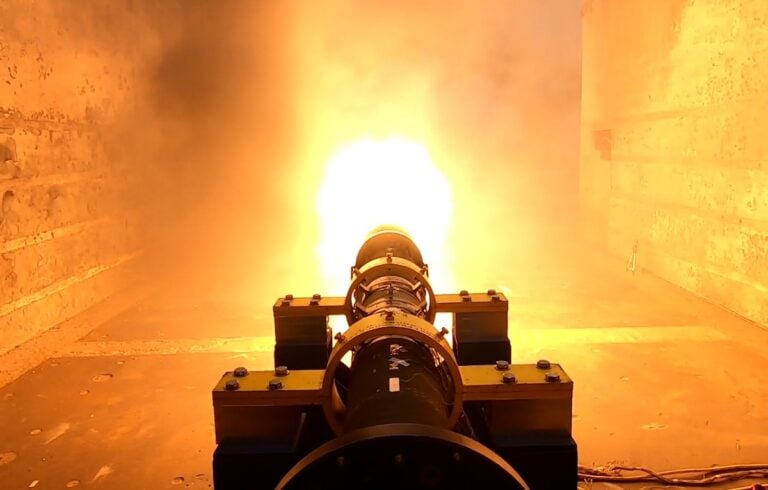
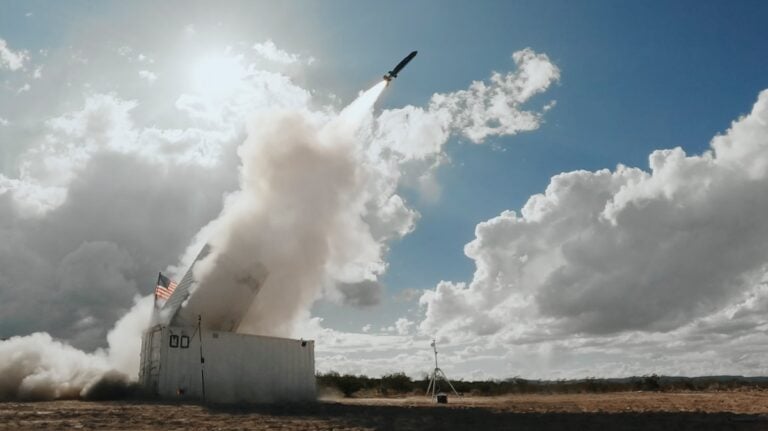
The guns and ammunition form part of Northrop Grumman’s Raid Defense Solutions portfolio, which covers counter-drone and air defense capabilities. The portfolio is designed to protect critical assets against complex aerial threats, including coordinated drone swarms.
Northrop Grumman said the portfolio combines fielded systems with AI-enabled command and control, sensor fusion and high-rate firepower. It is intended to help operators detect threats faster, make decisions and coordinate engagements, with scope to add capabilities as requirements change.