Its case rests in part on more than 500,000 autonomous flight hours and decades of work designing, manufacturing and sustaining uncrewed aircraft. Northrop Grumman said its high-altitude, long-endurance systems improve capability and performance while reducing risk and cost.
The company’s intelligence, surveillance, reconnaissance and targeting business, known as ISR&T, brings together aircraft, sensors, data processing and connections to battle management systems. The purpose is to give operators timely information as threats become harder to detect and the need for rapid decisions increases.
Triton and Poseidon cooperation
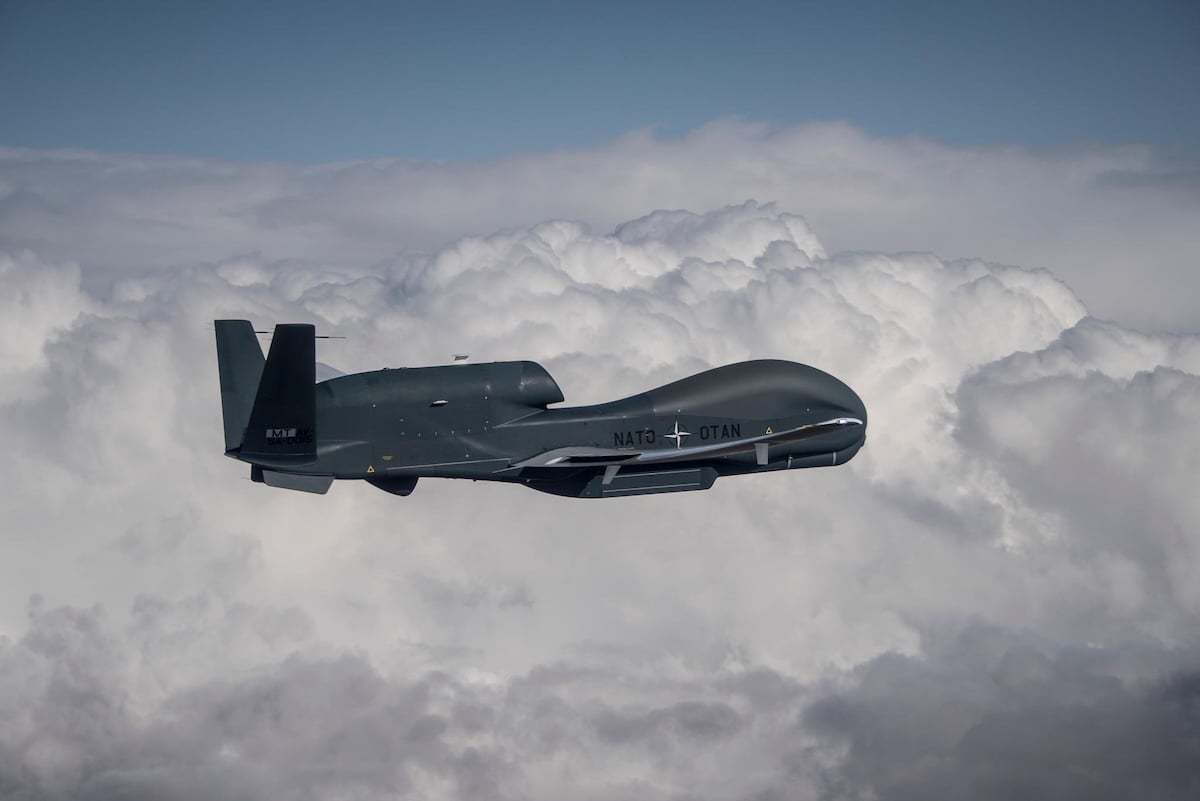
Northrop Grumman cited a recent technology demonstration that validated enhanced interoperability between the MQ-4C Triton and the crewed P-8 Poseidon. The two aircraft work together to extend surveillance coverage and identify, investigate and categorize threats.
Triton was designed from the outset to operate alongside Poseidon, a relationship the company described as unique among uncrewed aerial vehicles. That cooperation forms part of its wider effort to integrate crewed and uncrewed platforms rather than rely on individual aircraft operating separately.
The company also cited Triton operations involving Australia as an example of international collaboration. It said systems that can exchange information help partner forces coordinate missions and conduct joint operations.
NATO has signaled an intention to expand its maritime intelligence, surveillance and reconnaissance capabilities with Triton, according to Northrop Grumman. The company linked that interest to the role of interoperable systems in supporting coordinated operations and collective defense.
Processing intelligence and funding development
Onboard computing and analytics allow Northrop Grumman’s systems to combine different sensor feeds in real time and present a unified operational picture. The company said this processing turns raw data into usable intelligence and shortens decision cycles in contested environments.
Information from autonomous ISR&T platforms also feeds integrated battle management systems, supporting mission planning and precision targeting across multiple domains. Northrop Grumman described these connections as a means of giving commanders reliable information they can use to protect personnel and national security interests.
The company said it had invested more than $13.5 billion in infrastructure and research and development over the past five years, which it described as 40% above the industry average. That investment contributes to autonomous ISR&T platforms and their supporting systems, drawing on seven decades of technological development.
Northrop Grumman is also working with industry partners to bring new capabilities into service more quickly. It said continued development would focus on resilient, mission-ready systems that allow operators to concentrate on decisions rather than the processing of raw information.