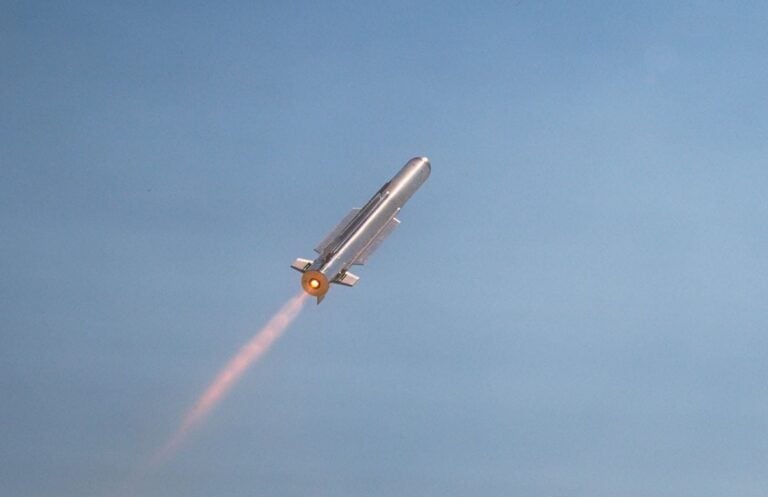
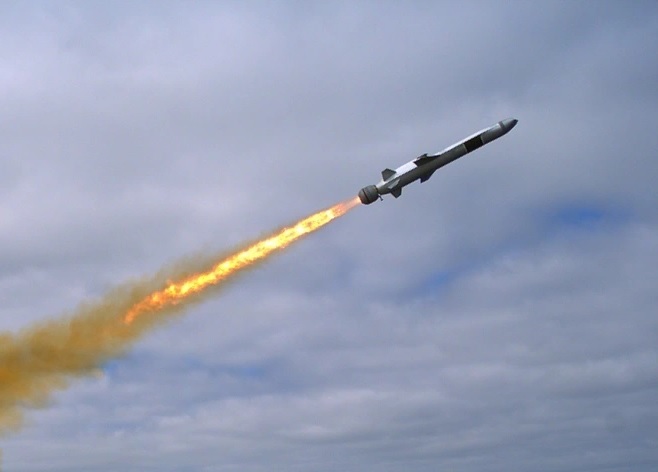
Malaysia had planned to acquire Naval Strike Missiles and related equipment for six Maharaja Lela-class littoral combat ships under a $145 million contract signed in 2018. In 2025, Kuala Lumpur also agreed to an additional $11.19 million contract covering NSM launchers for the Royal Malaysian Navy’s two operational Lekiu-class frigates.
According to Malaysian officials, more than 95 percent of the value of the 2018 agreement had already been paid before the cancellation. Malaysian Prime Minister Anwar Ibrahim publicly criticised Norway’s decision following the revocation of the export licence.
“Signed contracts are solemn instruments. They are not confetti to be scattered in so capricious a manner,” Anwar said in a statement published on social media.
Malaysia’s Ministry of Defence said officials first learned of Norway’s decision during the Defense Services Asia exhibition last month. According to Ministry of Defence Secretary General Lokman Hakim Ali, Defence Minister Khaled Nordin had expected a routine meeting with a Norwegian delegation led by Eivind Vad Petersson before being informed that revised Norwegian arms export rules prevented Kongsberg from supplying the missile system.
The new restrictions reportedly limit exports of the Naval Strike Missile to NATO members and NATO partner nations, categories that do not include Malaysia. According to the report, the revocation may also be linked to export controls involving a U.S.-made gyroscope component used in the missile’s guidance system, although no formal confirmation was provided.
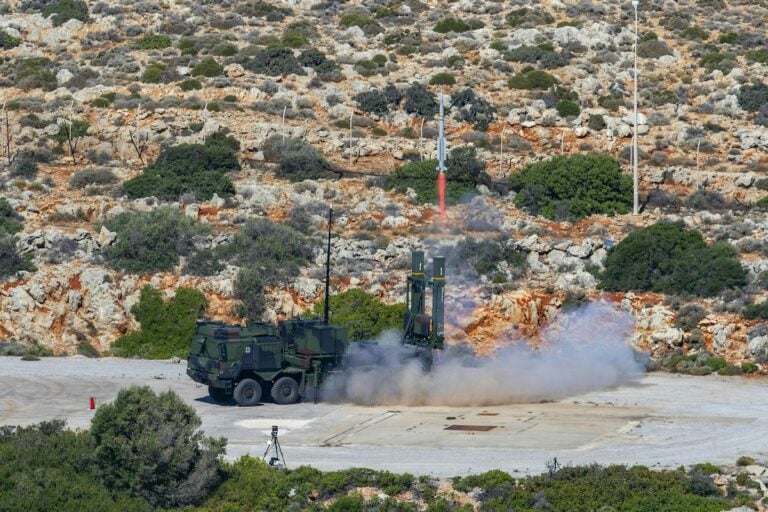
The Naval Strike Missile is currently fielded by several countries, including Norway, Australia, the Netherlands, Poland, the United Kingdom and the United States. The missile is also deployed in a land-based configuration by Poland and Romania, while the U.S. Marine Corps operates the system through the Navy Marine Expeditionary Ship Interdiction System programme.
Australia, which is not a NATO member, is currently developing a production facility for the Naval Strike Missile and its derivative, the Joint Strike Missile, with manufacturing expected to begin in 2027. The Australian plant is expected to become the first production and maintenance facility for the systems outside Norway.
Anwar said he raised Malaysia’s “vehement objection” to the cancellation during a telephone conversation with Norwegian Prime Minister Jonas Gahr Støre. He warned that the decision could significantly affect Malaysia’s operational military readiness and the progress of the Maharaja Lela-class programme.
“If European defense suppliers reserve the right to renege with impunity, their value as strategic partners flies out the window,” Anwar said.
According to a senior Royal Malaysian Navy official cited in the report, deliveries of the missile systems had originally been scheduled for early March 2026 but were delayed before the cancellation. The Naval Strike Missile procurement had already experienced setbacks linked to delays in Malaysia’s littoral combat ship programme, which originally planned to deliver the first vessel in 2018.
Malaysia’s Boustead Naval Shipyard secured the shipbuilding contract in 2014 for six vessels based on Naval Group’s Gowind-class corvette design. While Malaysian authorities and the navy previously disagreed over the ships’ weapons fit, the final configuration incorporated the Naval Strike Missile alongside the vertical-launched Mica surface-to-air missile system.
Source: USNI News.