
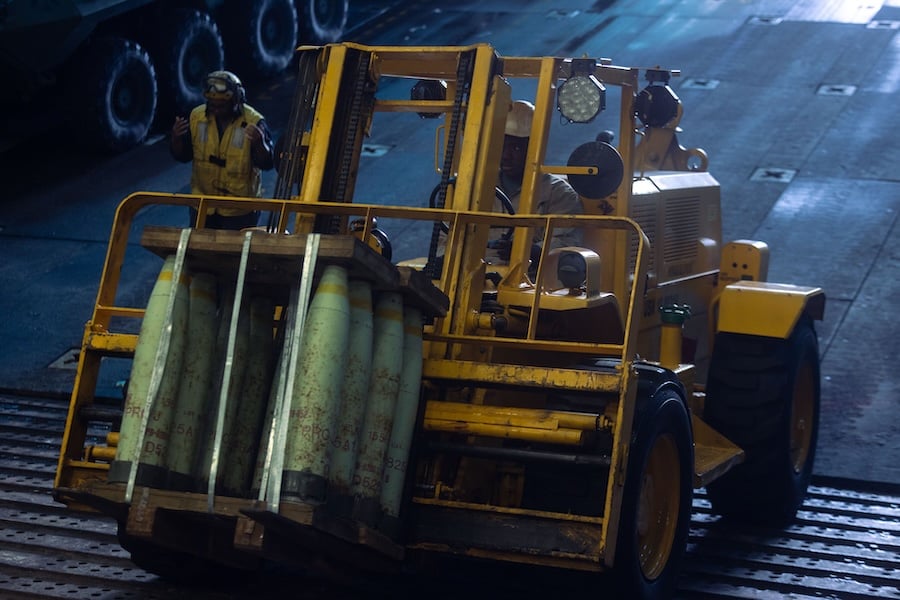
The stockpile is meant to cover shortfalls when commercial suppliers cannot meet military and essential civilian needs during a national emergency. The materials range from high-purity aluminum to vanadium pentoxide and are used in aerospace, shipbuilding, communications, space systems and munitions.
Mata said buying from U.S. suppliers matters most when a material is hard to replace and few reliable sources can supply it in the quantities or forms needed. “In those cases, domestic acquisition and stockpiling can help reduce single-point-of-failure risks, sustain U.S. industrial capability and preserve material availability during disruption,” he said.
The agency’s purchases support a National Defense Strategy priority of bringing strategic industries back to the United States and expanding domestic production. Mata said the stockpile complements other federal investments while reducing reliance on foreign producers, long shipping routes and suppliers concentrated in a few locations.
Mining is one source of critical materials, but recovery and recycling can also supply them. Mata said recovering materials domestically can give manufacturers another source of supply where the process is technically and economically viable.
“These efforts are helping domestic companies plan production, retain skilled workers and expand capacity where economically viable,” Mata said. More predictable orders can also help suppliers keep specialized production capabilities in place, he said.