
U.S. Pacific submarine force to test unmanned undersea systems and Harpoon long-range fires during RIMPAC 2026 exercise
The U.S. Navy said this year’s exercise will highlight two key investments shaping how COMSUBPAC units train for contested maritime environments. These are advanced unmanned undersea vehicles and long-range fires.
COMSUBPAC units will integrate with unmanned undersea vehicle capabilities to extend the reach and persistence of undersea intelligence, surveillance and reconnaissance. The platforms will simulate autonomous operations in denied areas while providing targeting data and improving the ability to detect, track and hold adversary forces at risk.
The Navy said the unmanned systems are being used as force multipliers. Their role is intended to allow manned platforms to operate with greater stealth, lethality and efficiency.
COMSUBPAC said it is committed to developing unmanned undersea vehicle capabilities with allies and partners. The goal is to increase interoperability and deter aggression throughout the Pacific.
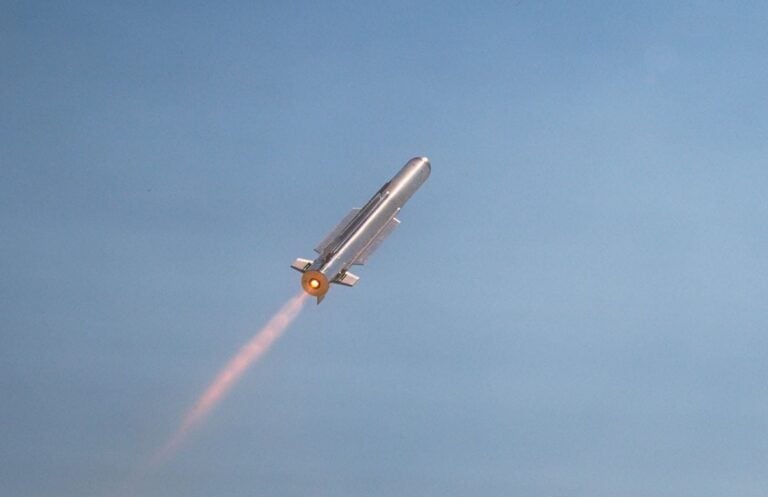
COMSUBPAC submarines are also scheduled to conduct precision long-range fires during RIMPAC 26 using UGM-84 Harpoon anti-ship cruise missiles. The Navy said the activity will demonstrate the ability of submarines to deliver lethal effects against surface threats from standoff ranges while protecting critical assets.
The submarine-launched fires are intended to support joint and combined operations. The Navy said they can hold adversary surface combatants at risk, deny sea control and create windows of opportunity for follow-on strikes.
The integration of submarine-launched fires into the broader targeting cycle reinforces the role of the undersea domain in multi-domain operations. RIMPAC 2026 will also support the ability of undersea forces to operate independently or as part of the U.S. Joint Force and in coordination with allies and partners.
The Navy said integrating emerging unmanned undersea systems with existing precision strike capabilities will help preserve a combined advantage undersea. It also said stronger tactical integration and communication with undersea warfare counterparts are central to that effort.
The exercise reflects a shared commitment to a free, open and secure Pacific, according to the Navy statement. RIMPAC 26 is described as a proving ground for that partnership among undersea warfare forces.
Thirty-one nations, more than 30 surface ships, five submarines, 15 national land forces, more than 206 aircraft and 25,000 personnel are taking part in RIMPAC. The exercise is being held in and around the Hawaiian Islands from June 24 to July 31.
RIMPAC is the world’s largest international maritime exercise and provides a major training opportunity for participating forces. The Navy said it also fosters cooperative relationships that are critical to the safety of sea lanes and security on the world’s oceans.
RIMPAC 2026 is the 30th exercise in the series, which began in 1971. This year’s undersea training links traditional submarine operations with unmanned systems and long-range strike capabilities in a combined maritime environment.