
Woodburn outlined the opportunity during BAE Systems’ first-half 2026 earnings call. He said Japan and Canada were countries “where we see great potential”, placing them among the international markets that could support the group’s longer-term growth.
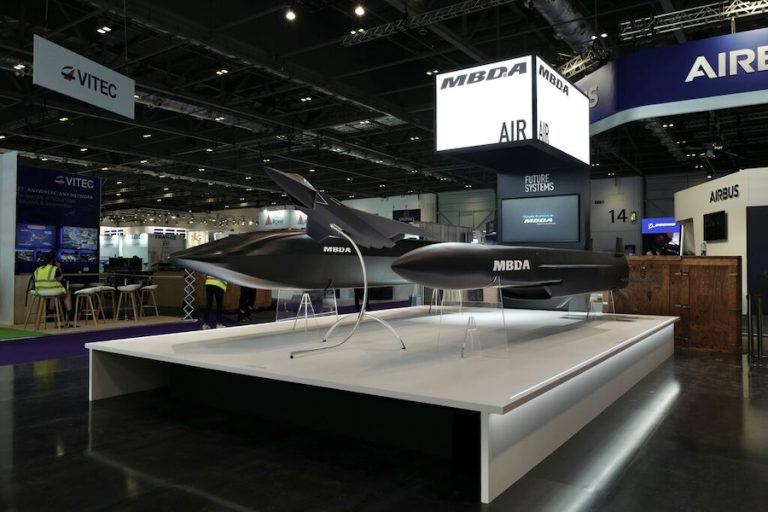
Japan’s defence spending trajectory is central to that outlook. Woodburn said the country was on a path to double defence spending by 2027 and noted its existing position as a core partner in the Global Combat Air Programme.
“It’s a core partner of GCAP,” Woodburn said. “We’re exploring how we can support the country in other areas of defense capability.”
Canada presents a broader mix of opportunities already tied to BAE Systems programmes. Woodburn said the country’s commitment to NATO’s 3.5% defence spending target would drive a “large, sustained increase in defense investment”.
BAE Systems is providing the warship design for Canada’s River-class destroyer programme, according to Woodburn. He also said the company had reached an agreement to support the rapid delivery of an Arctic Over-the-Horizon Radar capability.
The radar programme is already becoming part of the company’s forward order picture. Chief Financial Officer Brad Greve said the Canadian Arctic radar sale was among several major announcements not included in BAE Systems’ first-half order intake.
Canada has also officially joined GCAP as an observer. Woodburn cited the decision while discussing BAE Systems’ broader international growth prospects and the company’s strategy for expanding its geographic footprint.
The two markets offer BAE Systems different routes to expansion. In Japan, management is looking beyond the country’s established GCAP role, while in Canada the group already has positions spanning warship design, long-range radar and participation around the combat-air programme.
Woodburn said BAE Systems remained focused on converting those international opportunities into sustained top-line growth, higher margins and cash generation. The comments place Japan and Canada among the markets management sees as having room to become more significant within the group’s global portfolio.