The centre is intended to connect operational users with industry and wider Defence organisations. The Royal Navy said the aim is to speed up innovation and help bring uncrewed systems more quickly into practical service.
At the launch, Royal Navy and UK Commando Force personnel demonstrated a range of autonomous and crewless equipment. The display included surveillance drones, uncrewed surface vessels and underwater systems used for minehunting.
Personnel from 700X Naval Air Squadron, 40 Commando, 47 Commando, Headquarters Commando Force and SURFLOT took part in the event. They briefed attendees on the technology, its operational use and lessons from frontline deployments around the world.
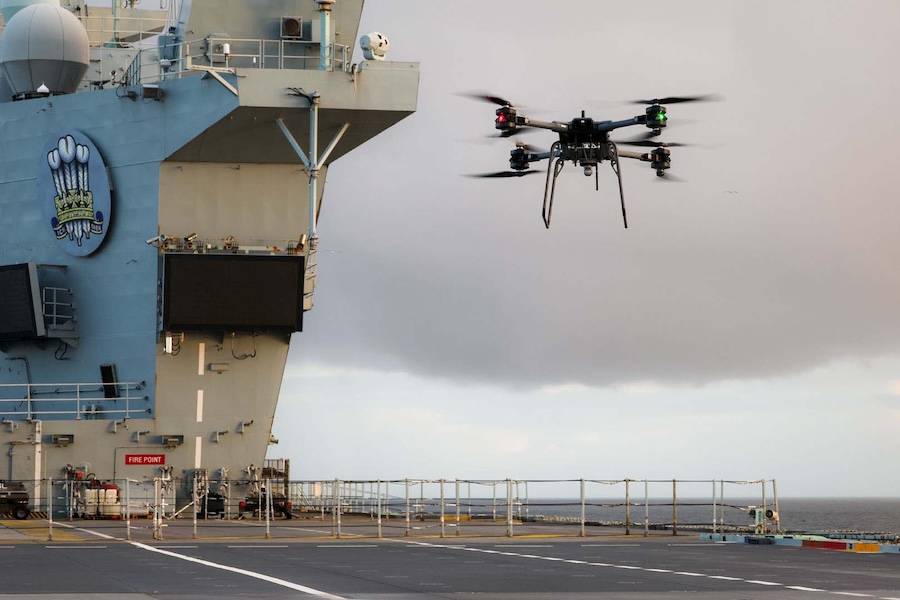
Equipment shown at the centre included the remotely piloted Puma drone, the Malloy T150 quadcopter, the DeltaQuad Evo fixed-wing drone and the Skydio X10D uncrewed aerial system. Kraken’s K3 Scout uncrewed boat, operated by 47 Commando and SURFLOT, was also displayed alongside the Remus and Video Ray underwater minehunting systems.
The Royal Marines also presented elements of their strike network. The display showed how Commandos and uncrewed systems can work together through connected technology during missions.
Brigadier Chris Haw MC RM said: “Uncrewed systems are no longer a future concept for the Royal Navy and Royal Marines; they have been delivering operational effect for the past four years and are in service today. The Uncrewed Systems Centre brings together Defence, industry and frontline users to accelerate innovation, helping us develop and field capabilities that increase our combat effectiveness, improve resilience and better protect our people.”
The Royal Navy said the launch is an important step in expanding the adoption of autonomous and uncrewed systems. It said explaining how the equipment works and how it is being used on operations will help support wider integration across the force.
The Puma drone has already been used for intelligence, surveillance and reconnaissance around the world. It has flown with Wildcat helicopters from 815 Naval Air Squadron, operated from warships in home waters and overseas, and taken part in autonomous wargames in Portugal.
The Malloy T150 has also been used during recent Royal Navy and Royal Marines activity. During the 2025 Carrier Strike Group deployment, it delivered spare parts between HMS Prince of Wales and the Type 45 destroyer HMS Dauntless.
The Malloy system has also entered service with the Royal Marines and has operated successfully in Norway. Kraken craft have been tested in UK waters, while Remus and Video Ray systems are deployed on RFA Lyme Bay, which is acting as a mine-hunting mothership in the Middle East.
The launch of the Swindon centre reflects the Royal Navy’s effort to treat uncrewed systems as operational tools rather than future concepts. The service said the centre will support capabilities designed to increase combat effectiveness, improve resilience and better protect personnel.