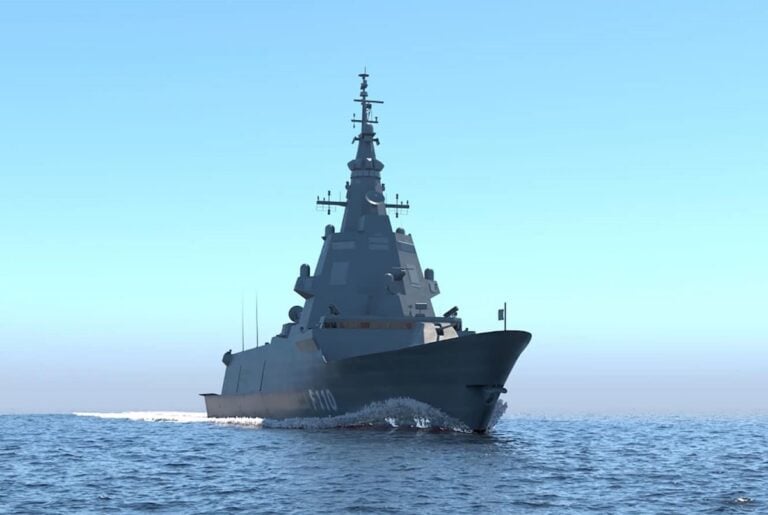

The KDDX is intended to become South Korea’s first domestically developed Korean Aegis destroyer. DAPA plans to deliver the lead ship to the Republic of Korea Navy in 2032.
The programme will combine South Korea’s accumulated naval shipbuilding technologies in a single surface combatant. It is also designed to reduce reliance on overseas suppliers by using predominantly domestically developed weapon systems.
Key national systems will include the combat management system, sonar suite and multifunction phased-array radar. South Korea will also develop the ship-to-air guided missiles planned for the destroyer.
Hanwha Ocean will convert the completed basic design into detailed technical documentation and production drawings. The ship will then undergo construction, testing and evaluation to verify its performance.
The next phase will incorporate technologies developed since the basic design was completed. These include digital twin-based design and construction processes, a layered counter-drone defence system and an integrated 5G-based wired and wireless communications environment.
The programme is intended to provide a central combat capability for the Navy’s mobile fleet. DAPA said the contract placed the acquisition of that capability on a formal development path.
“The Korean Destroyer (KDDX) programme is a national project that brings together the highest level of shipbuilding and defence industry capabilities, and we plan to review project implementation options from multiple angles, including follow-on ships, so that a vessel optimised for the future operational environment can be fielded on time and the project can drive the development of the defence industry as a whole,” said Jeong Jae-jun, head of DAPA’s Platform Systems Programme Division. “Based on the success of the KDDX programme, we will further strengthen the competitiveness of K-ships in overseas markets.”