Prisma-S uses four-dimensional active electronically scanned array technology to provide range, direction, altitude and target velocity data. Indra said this enables precise trajectory tracking and allows the radar to support anti-air warfare, anti-submarine warfare and target designation simultaneously.
The system is designed to operate in congested electromagnetic environments and withstand adversary countermeasures. It is being presented alongside Indra’s work on naval data sharing, submarine systems and underwater infrastructure surveillance.
The company’s NIMBUS combat cloud demonstrated real-time connectivity between ships, uncrewed surface vessels and its TARSIS fixed-wing surveillance drone during NATO’s REPMUS 26 exercises, according to Indra. At Euronaval, the company will present further developments in the system’s multi-domain capabilities.
Indra will also outline its approach to seabed surveillance, covering gas pipelines, power and communications cables, and ports. The company said Europe needed stronger capabilities to protect this infrastructure.
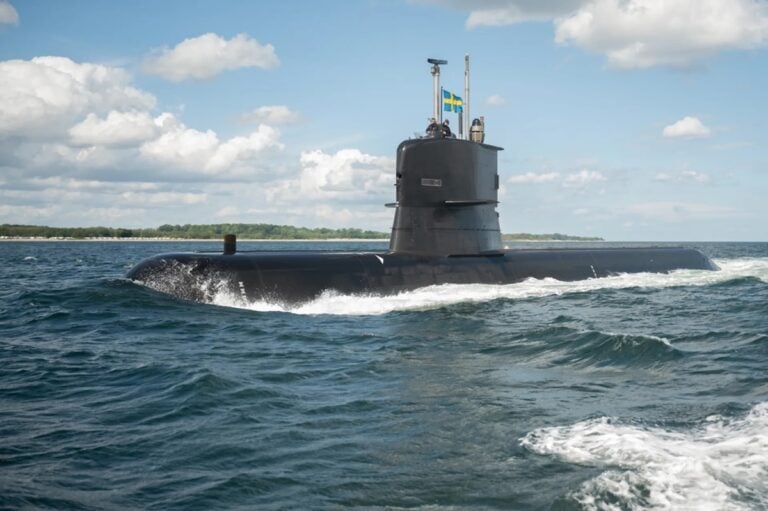
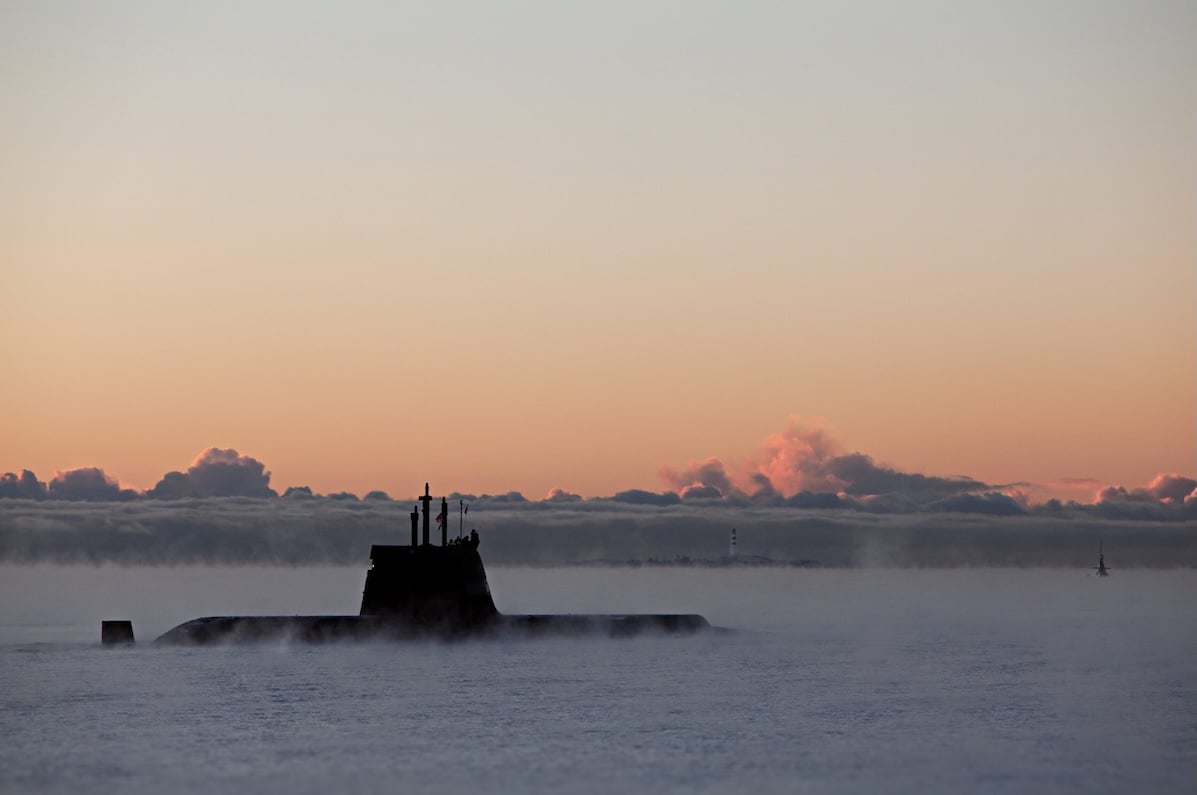
Its submarine systems on display include the iKeeper-iS20 low-probability-of-intercept navigation radar and the TSUB-40 satellite communications system. The radar offers standard and continuous-wave modes, while TSUB-40 comes in versions supporting X, Ka or Ku bands with three-axis pointing.
The portfolio also includes PEGASO NG electronic warfare equipment and an Identification Friend or Foe system. Indra said the equipment is designed around submarines’ limited space and power resources, as well as the need to withstand pressure while submerged.