The Baltic’s shallow waters, uneven seabed and changing temperature and salinity create difficult conditions for submarine operations and anti-submarine warfare. Those same conditions can provide cover for submarines whose crews understand how sound travels through the water.
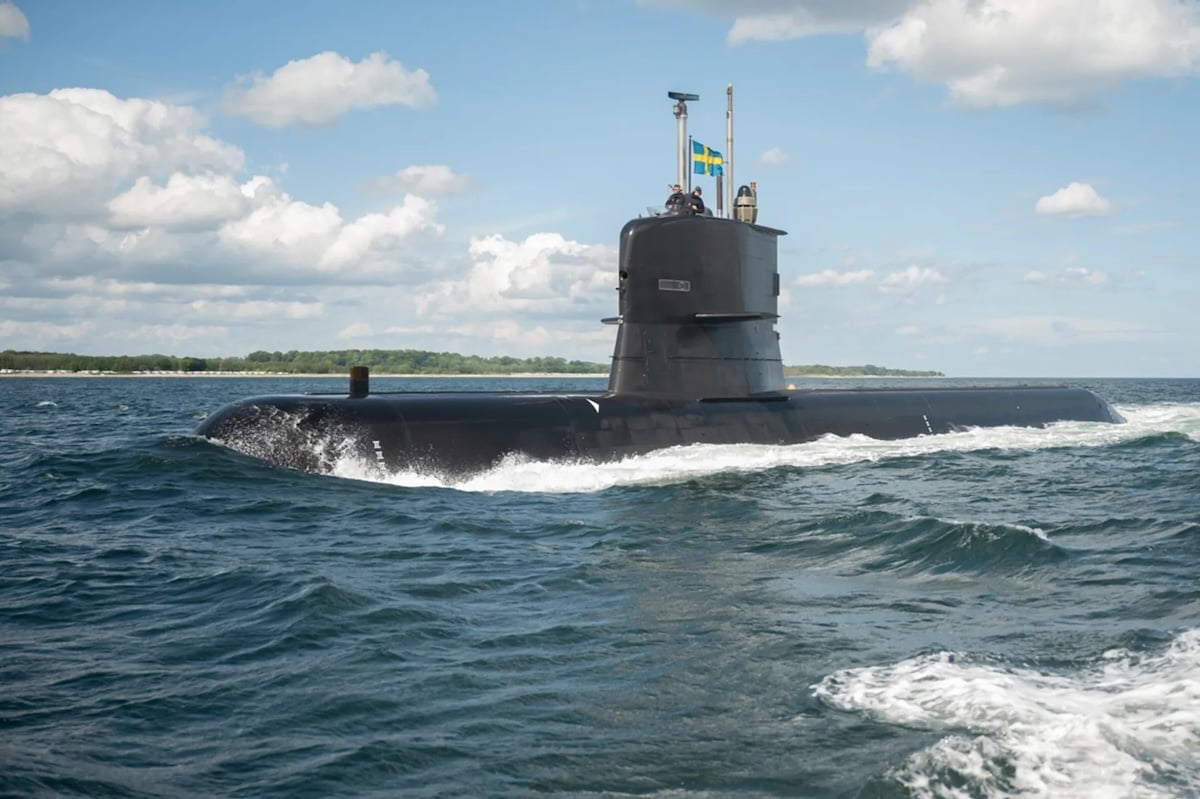
“The Baltic Sea has an average depth of just 55 metres and is also very busy. Despite that, we operate submarines here and have done so for more than 120 years,” said Paula Wallenburg, a submarine officer who now serves as head of operations in the Swedish Navy.
Sweden shares its regional knowledge through exercises, cooperation and participation in allied operations. The Armed Forces said this contribution strengthens NATO’s ability to operate in and control the Baltic region.
“For example, we have the NATO exercise Dynamic Merlin every year in the Baltic Sea,” Wallenburg said. “There, our allies have the opportunity to draw on our regional knowledge and expertise concerning the environment in the region.”
Sweden’s submarines and crews belong to the First Submarine Flotilla in Karlskrona. The vessels can remain concealed for extended periods to conduct surveillance and gather intelligence, while retaining the ability to engage submarines and surface ships.
Passive sonar allows crews to listen for machinery and propeller noise and build a picture of surrounding activity. Interpreting those sounds requires experienced personnel who understand how local conditions can bend sound waves, conceal vessels or allow detection at greater distances.
That knowledge also matters for the security of seabed infrastructure supporting essential services in Baltic coastal states. The Armed Forces said effective monitoring requires technical systems alongside an understanding of the underwater environment.
Sweden is applying its experience to the next-generation Blekinge-class submarines, also known as A26, which are being developed for concealed operations in shallow coastal waters and deeper seas. Their intended roles include seabed operations, with capabilities relevant to critical underwater infrastructure.
The Armed Forces said the Blekinge class and uncrewed platforms would strengthen Sweden’s and NATO’s capacity to deter threats and prevail in a conflict if necessary. It described control of the Baltic region as essential to NATO’s deterrence and collective defence.
Source: Swedish Armed Forces.