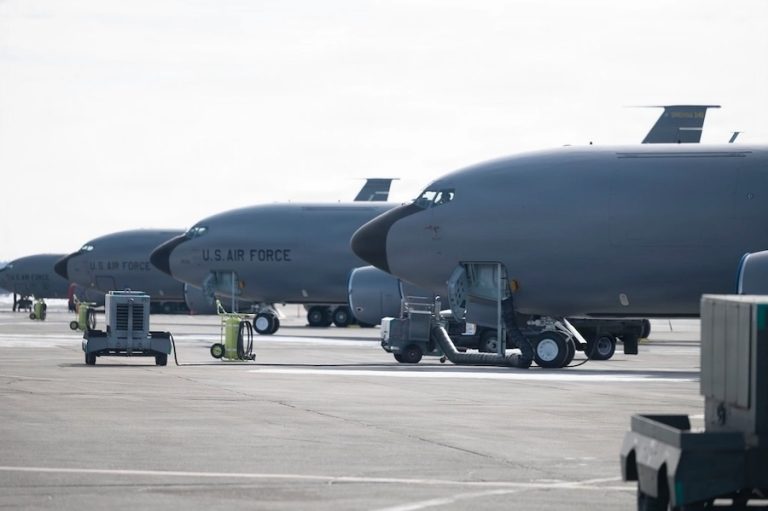

The plan centres on three primary efforts: repurposing early-built aircraft, accelerating installation of the Remote Vision System 2.0 upgrade and implementing a targeted performance-based logistics programme. The Air Force stated that the measures are intended to address both immediate readiness shortfalls and long-term sustainment challenges across the fleet.
Troy Meink said, “The KC-46 is a cornerstone of U.S. power projection, and we are proactively partnering with Boeing to ensure it is always ready to deliver.”
“By establishing this multi-pronged approach, we are directly improving aircraft availability, accelerating the delivery of vital new capabilities and significantly enhancing the overall supportability of the fleet,” Meink added.
According to the Air Force, the plan, combined with investments proposed in the fiscal year 2027 presidential budget request, is expected to increase KC-46 aircraft availability by more than 20% by 2030. Officials said the measures will also deliver an immediate readiness improvement of approximately 6% in the near term.
The Air Force stated that the first part of the initiative involves repurposing five early-built KC-46 aircraft. The aircraft will be used as dedicated test assets while also providing spare components, including engines and landing gear, to support operational aircraft currently affected by parts shortages.
According to the service, three non-operational early-build aircraft will be used to release previously unavailable material into the operational fleet. The Air Force said this approach allows critical components to be made available years earlier than originally planned.
William Bailey, performing the duties of assistant secretary of the Air Force for acquisition, technology and logistics, said, “This is a decisive step forward for the KC-46 enterprise.”
“This partnership secures Boeing’s continued investment in both KC-46 readiness as well as the production line, effectively lowering risk for our transition to the KC-46 Production Extension and ensuring this critical mobility platform continues to flow to the warfighter without delay,” Bailey added.
The second element of the plan focuses on accelerating fielding of the Remote Vision System 2.0 upgrade, known as RVS 2.0. According to the Air Force, the revised approach will combine retrofit work with depot-level maintenance activities and reduce the overall installation timeline from 13 years to seven years.
The Air Force also stated that the revised retrofit process is expected to reduce the impact on aircraft availability by 90%. The RVS 2.0 system is scheduled to begin fielding in early 2028.
The final component of the initiative involves a temporary performance-based logistics agreement between the Air Force and Boeing. According to the service, the arrangement will target supportability issues affecting the aerial refuelling subsystem and other critical components that currently reduce fleet availability.
The Air Force said Boeing will be responsible for improving the reliability and parts availability of these systems during the five-year programme. Officials added that the initiative is intended to support a later transition back to Air Force-managed sustainment activities.
According to the Air Force, the broader effort reflects continued investment in tanker fleet capacity and operational capability. The service stated that the KC-46 remains a critical element of mobility support for joint force operations now and in the future.