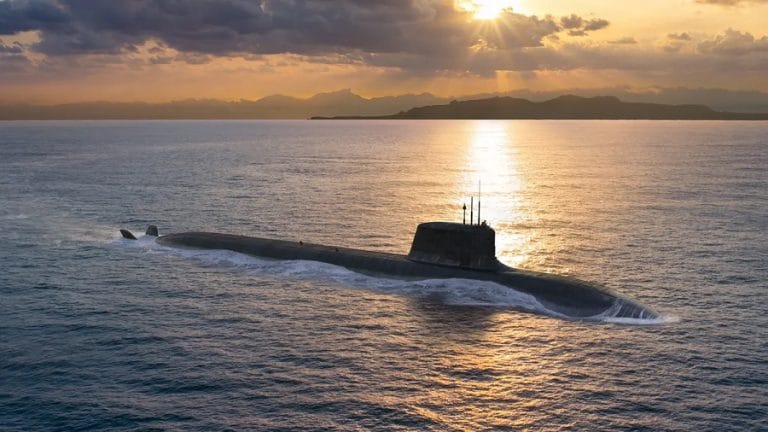
SSN-AUKUS will be developed with the United States and Australia through the trilateral AUKUS partnership. The submarines will be deployed by both the UK and Australia, while helping the latter develop the industrial base required to support the capability.
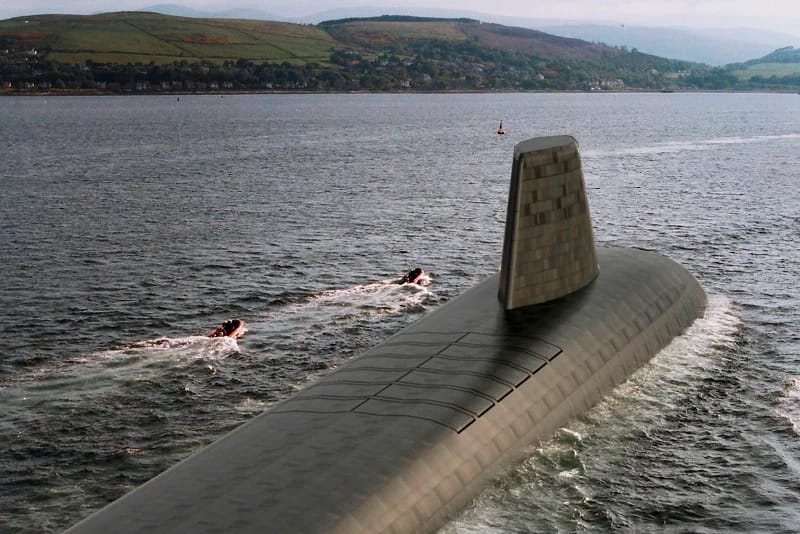
The new boats will be nuclear-powered but conventionally armed. They will remain separate from the Dreadnought-class ballistic missile submarines that will carry Britain’s independent nuclear deterrent.
The current Astute-class submarines help protect the UK’s nuclear-armed ballistic missile submarines during deterrence patrols. They also undertake a range of wider defence and intelligence missions.
The AUKUS programme is intended to deliver closer defence and industrial cooperation, better information and technology sharing, and greater resilience between the three countries. It is also expected to generate multi-billion-pound investment in British industry.
The fleet expansion forms part of a wider renewal of the UK’s Defence Nuclear Enterprise, which is responsible for hundreds of projects covering submarines, nuclear warheads, fuel and supporting infrastructure. Its portfolio includes two submarine construction programmes, a further class in design, the Astraea replacement warhead programme and a new nuclear fuels programme.
The Ministry of Defence is recapitalising critical infrastructure, modernising naval bases and manufacturing processes, and expanding industrial capacity to deliver a higher submarine production rate. The work includes submarine construction at BAE Systems in Barrow-in-Furness, maintenance at Babcock’s Devonport operations and reactor development by Rolls-Royce in Derby.
BAE Systems’ Barrow site employs about 13,500 people and builds the UK’s nuclear-powered submarines, including the future SSN-AUKUS class. Rolls-Royce Submarines employs around 4,000 people, while Sheffield Forgemasters produces specialised steel castings and forgings used in submarine reactor cores.
The Defence Nuclear Enterprise currently supports an estimated 47,600 jobs and expects workforce demand to rise to around 65,000 by 2030. Its supply chain comprises more than 6,000 British companies, ranging from small and medium-sized businesses to major industrial groups.
To meet the expected demand, the government and its industrial partners aim to double defence nuclear apprentice and graduate intakes. They plan to create 22,000 apprenticeships and 9,000 graduate positions over the next decade.