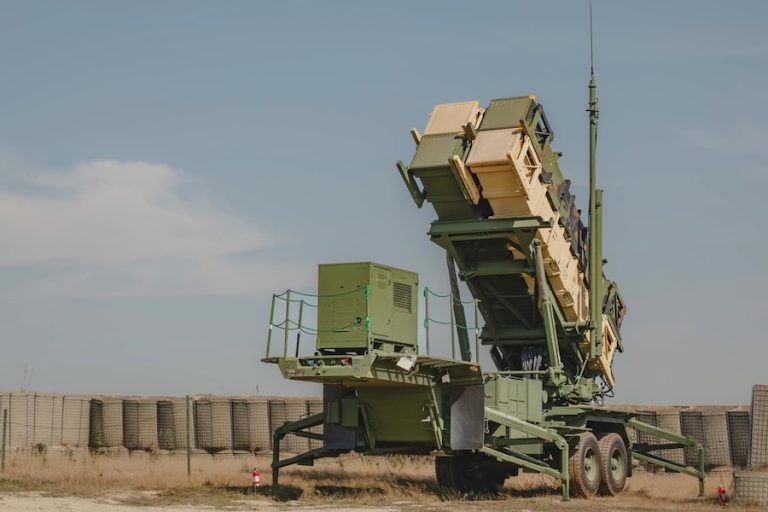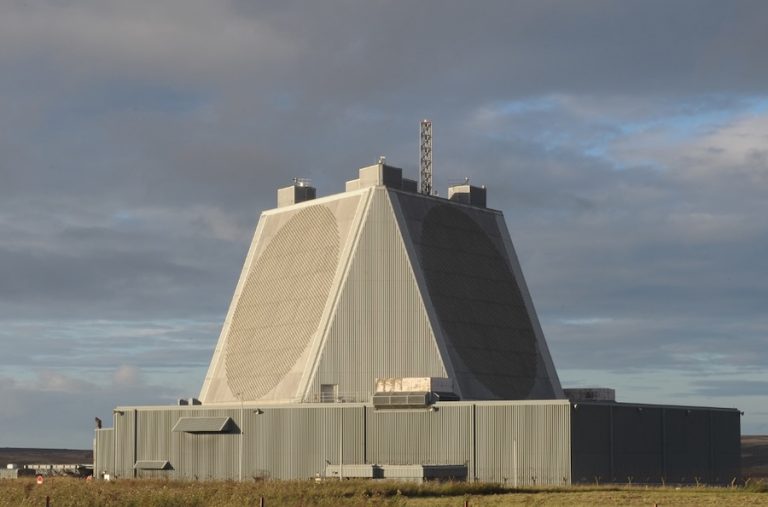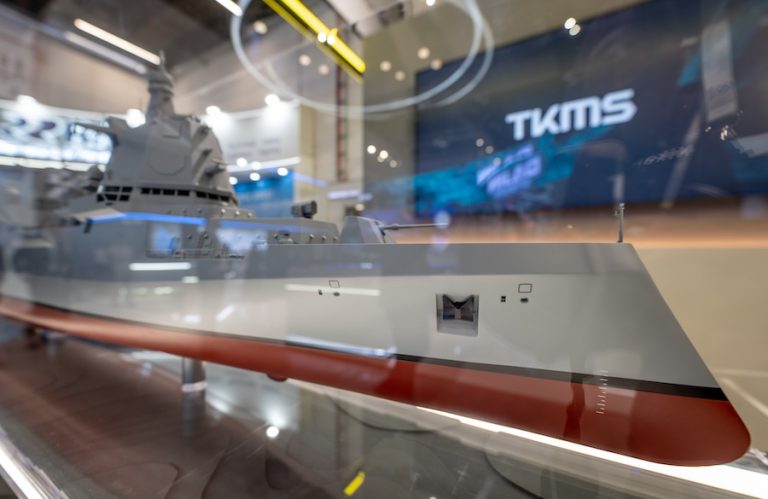

The Patriot system is widely used to intercept missiles and drones. According to available figures, the United Arab Emirates alone has intercepted more than 1,000 Iranian missiles and drones since Sunday, many of them using Patriot interceptor missiles.
Each interceptor missile manufactured by the U.S. company Raytheon costs an average of about CHF3 million, or roughly $3.84 million. The heavy use of such missiles has increased demand as consumption rates exceed current production capacity.
Several Gulf states have reportedly approached European countries to obtain additional air defense systems. Ukraine, which relies heavily on Patriot systems to protect its energy infrastructure and cities, also fears that the war with Iran could reduce the number of missiles available to it.
Swiss defense procurement chief Urs Loher was in the United States shortly before the outbreak of the conflict with Iran. According to research by Swiss broadcaster SRF, Swiss officials learned that the delivery schedule for the Patriot system could be delayed by up to five years.
Switzerland had originally expected the first deliveries of the system to begin this year. The country has ordered five Patriot units as part of its broader effort to strengthen ground-based air defense.
Some lawmakers say the new delays were not unexpected. Werner Salzmann, a member of parliament from the Swiss People’s Party, said: “It has long been suspected that Switzerland is no longer in a position to be supplied.”
He added that the conflict in the Middle East could further complicate the situation. Salzmann said: “With the outbreak of war in the Middle East, the situation will get even worse.”
Other politicians have questioned whether Switzerland should proceed with the purchase. Franziska Roth, a parliamentarian from the Social Democratic Party, is calling for the Patriot procurement to be canceled.
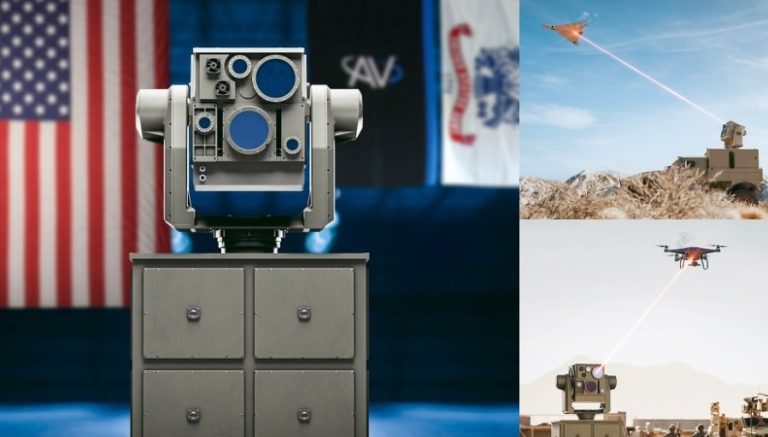
Roth argues that long-range systems such as Patriot should not be the country’s primary priority. She said: “What we need are defence systems against drones.”
However, some security policy lawmakers oppose canceling the procurement. Josef Dittli, a parliamentarian from the Radical-Liberal Party, said the Patriot system will remain necessary in the long term.
Dittli emphasized the need to secure funding for the program. He stated: “But we also need additional funds, and as quickly as possible. The federal government must now address the procurement of additional funds.”
According to SRF reporting, Swiss Defense Minister Martin Pfister is also considering acquiring an additional air defense system as a complement to Patriot. One possible option under consideration is the SAMP/T system produced by the French consortium Eurosam.
The Swiss government is expected to discuss the issue during a cabinet meeting. Despite the delays, Pfister reportedly does not intend to cancel the Patriot order.
Analysts warn that global competition for Patriot systems and interceptor missiles could intensify after the war. Fabian Hoffmann, a researcher at the University of Oslo specializing in missile technology and defense policy, said the conflict is likely to exhaust existing stockpiles.
“When the states start to replenish their arsenals, there will be a lot of competition for production slots,” Hoffmann said. He added: “It can be difficult for smaller customers in particular to get attention.”
Although alternatives to Patriot exist, they may not offer the same capabilities. Hoffmann noted that systems such as the French SAMP/T, Israel’s David’s Sling and a new interceptor for the IRIS-T system are available, but said: “But Patriot is the most powerful in comparison.”
It also remains unclear what will happen to the CHF650 million that Switzerland has already paid to the United States for the Patriot procurement. After learning about earlier delays last summer, the Swiss defense ministry suspended further payments for the system, which is estimated to cost at least CHF2 billion.
The government is now reviewing how to proceed with the acquisition. In response to questions from SRF, the defense ministry said only that the government is considering its options and declined to provide additional details.