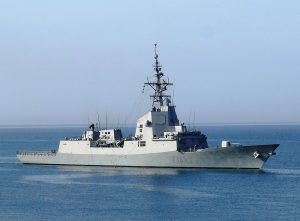
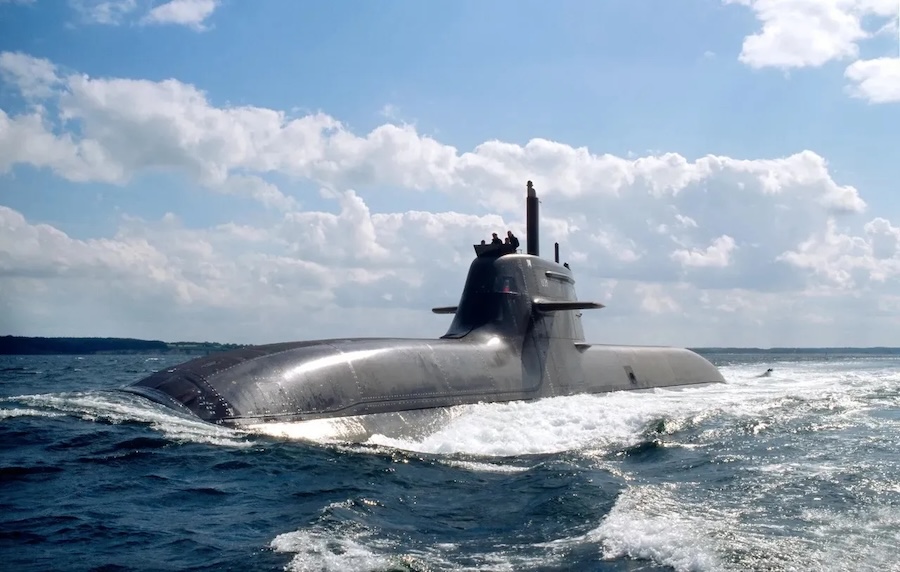
The memorandum envisages the potential production of TKMS-designed vessels, particularly submarines, at Navantia’s shipyards in Spain. The move comes amid rising demand for modern naval platforms and constraints in European shipyard capacity and technological resources.
Both companies said geopolitical developments have significantly increased short-term demand for advanced naval systems. At the same time, bottlenecks across Europe have highlighted the need for closer industrial cooperation to deliver projects more efficiently.
“The signing of this Memorandum of Understanding is an important signal for European maritime defense. At a time when our customers’ security requirements are growing and manufacturing capacity is limited, it is crucial that European industrial companies collaborate more closely. TKMS and Navantia jointly have the expertise, infrastructure, and experience to overcome these shared challenges and strengthen the ability to deliver to our partner nations’ armed forces,” said Oliver Burkhard.
The companies said discussions will take place at management level under the framework of the agreement, with a focus on compliance with competition and export control regulations. The cooperation is intended to improve speed, efficiency and cost-effectiveness in delivering naval programmes.
“TKMS has been a global market leader in non-nuclear submarines for decades. We share Navantia’s commitment to the highest quality standards and the clear goal of delivering quickly and reliably to our customers. This Memorandum of Understanding enables us to leverage synergies between our shipyard capacities and to act together as strong European partners,” said Volkmar Dinstuhl.
The partnership is also supported by TKMS’s majority shareholder, thyssenkrupp AG, which highlighted the strategic importance of meeting growing international demand. The agreement is seen as a step toward strengthening Europe’s naval industrial base.
“As the majority shareholder of TKMS, thyssenkrupp AG bears responsibility for the strategic direction of one of Europe’s leading naval companies. Our task is to enable TKMS to meet the growing international demand for modern naval systems. A partnership with Navantia is a promising approach to achieving this,” said Miguel López.
Navantia said the agreement supports broader efforts to enhance Europe’s defence autonomy and industrial cooperation. The company emphasised the importance of delivering advanced capabilities while strengthening the regional defence ecosystem.
“Today we are taking a significant step towards our shared goal of strengthening Europe’s strategic autonomy and sovereignty in defence. This collaboration will deliver cutting edge capabilities to our armed forces while leveraging the full potential of European defence investment. As leading players in the naval and defence domain, Navantia and TKMS are committed to actively contributing to this common European effort,” said Ricardo Domínguez.
Navantia also highlighted the responsibility of European defence companies to respond to evolving security challenges. The company said cooperation would support faster delivery and long-term sustainment of naval capabilities.
“European defence companies share a responsibility to respond decisively to today’s challenges. Europe needs an industry capable of providing not only state of the art technologies, but also ensuring fast, reliable delivery and long term sustainment, while strengthening the European industrial ecosystem and supporting its SMEs,” said Gonzalo Mateo-Guerrero.