

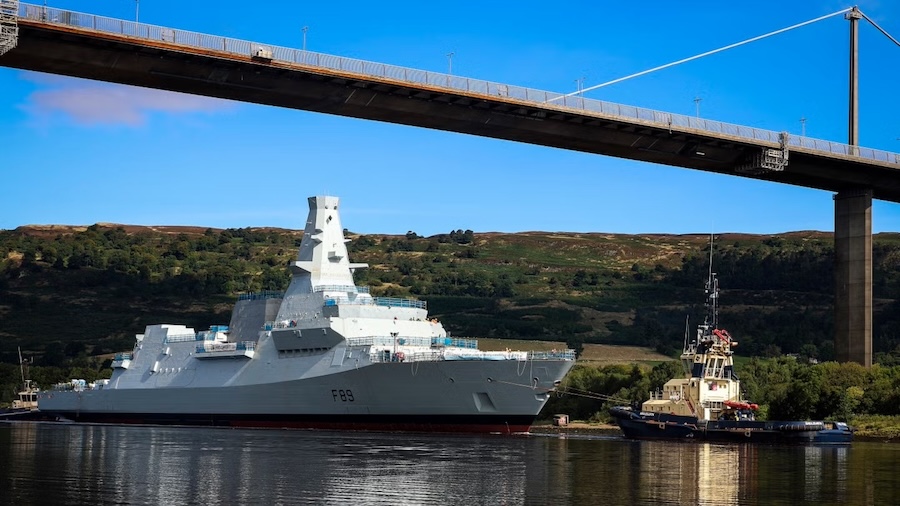
Captain Alexander Erichsen signed the Global Combat Ship User Group Charter, officially bringing the Royal Norwegian Navy into the partnership overseeing the development, construction and future operation of the vessels.
The programme includes the Type 26 frigate for Norway and the UK, the Hunter-class frigate for Australia and the River-class destroyer for Canada. The group coordinates issues ranging from ship construction and crew training to future operational planning.
Senior programme officials met in Halifax, Nova Scotia, for discussions and to review progress on HMCS Fraser, the first vessel being built for the Royal Canadian Navy. The ship was laid down 12 months ago.
Norway plans to acquire at least five Type 26 frigates. The vessels are expected to operate alongside the Royal Navy’s eight ships with a focus on protecting the Atlantic and Europe’s northern flank from submarine threats.
“It is a pleasure to formally welcome Norway into the Global Combat Ship User Group community through signing of the joint charter,” said Commodore Stephen Roberts.
“Our strategic maritime security partnership with allies is further strengthened by Norway’s inclusion in the wider GCS enterprise alongside our Canadian and Australian partners,” Roberts added.
A total of 34 vessels are planned under the wider programme. While all ships will share a common design, the Canadian and Australian variants will include different sensors, combat systems and weapons.
“It is an honour for Norway and the Royal Norwegian Navy to join the Global Combat Ship User Group and formally enter the wider Type 26 community,” Erichsen said.
“This marks an important step in our strategic partnership with the United Kingdom and reinforces our close cooperation with Canada and Australia,” he added. “By aligning our future frigate capability on a common design, we strengthen interoperability, shared understanding and collective maritime security across allied navies.”
The future vessels are expected to enter service later this decade, led by HMS Glasgow. The ships are designed primarily for anti-submarine warfare but will also be capable of carrying out wider multi-role missions.
The frigates will feature mission bays capable of carrying modular payloads for disaster relief, drone operations, mine-hunting, hydrographic surveys and marine raiding missions. The Royal Navy said the design is intended to help the ships adapt to changing maritime threats.