Astraea will replace the existing Mk4A warhead while retaining compatibility with the Trident II D5 ballistic missile. The programme is intended to maintain a safe, secure and reliable British warhead stockpile as the Royal Navy moves to its next generation of ballistic missile submarines.
The Ministry of Defence projects around £1 billion of research and development spending on Astraea over the next decade. Advanced modelling and non-nuclear testing will support the programme while allowing Britain to maintain its commitment not to conduct nuclear weapon test detonations.
The investment places AWE Nuclear Security Technologies at the centre of one of Britain’s largest defence programmes. The Berkshire-based organisation employs approximately 9,500 people and is responsible for designing, manufacturing, maintaining and disposing of the country’s nuclear warheads.
Britain’s warhead research infrastructure also includes Epure at Valduc in France, a joint UK-French hydrodynamics facility established through the Teutates Treaty. The facility forms part of a broader defence nuclear research base that is expected to receive multi-billion-pound investment over the next decade.
Astraea is one element of a wider renewal being managed by the Defence Nuclear Enterprise. Its portfolio covers hundreds of projects, including two submarine construction programmes, another class in design, a new nuclear fuels programme and extensive upgrades to manufacturing facilities and naval bases.
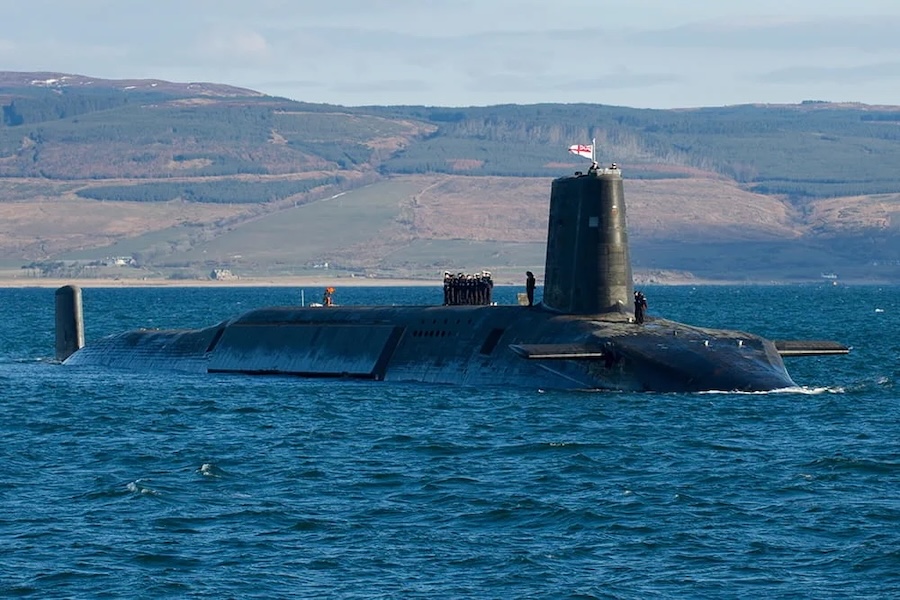
The replacement warhead is being developed alongside the four-boat Dreadnought programme, which will succeed the Vanguard-class ballistic missile submarine fleet from the early 2030s. The new submarines will be capable of launching Trident II D5 missiles and maintaining Britain’s Continuous At Sea Deterrence.
Dreadnought is expected to support more than 30,000 UK jobs at its peak and is described by the Ministry of Defence as the country’s largest engineering project. The programme is being delivered through an alliance involving the ministry, BAE Systems and Rolls-Royce.
Britain has relied exclusively on submarine-launched Trident missiles armed with sovereign-designed warheads since retiring the WE177, its last air-launched nuclear weapon, in 1998. Four Vanguard-class submarines based at HMNB Clyde currently provide the country’s independent deterrent.
The government defines its policy as maintaining an independent, minimum and credible deterrent assigned to the defence of NATO. It says the UK will retain only the destructive power required to deter the full range of state nuclear threats.
The Ministry of Defence linked the renewal programme to the expansion and modernisation of other countries’ arsenals. It estimates that Russia has more than 4,000 nuclear warheads available for use, while China possesses around 600 and is expected to more than double that number by 2035.
The investment also carries a wider industrial and workforce dimension. Britain’s Defence Nuclear Enterprise currently supports an estimated 47,600 jobs, with demand projected to reach around 65,000 by 2030 across a supply chain of more than 6,000 UK-based companies.
The government and its partners aim to double defence nuclear apprentice and graduate intakes to meet that demand. Their plans provide for 22,000 apprenticeships and 9,000 graduate positions over the next decade.
Astraea and Dreadnought sit within the government’s nuclear deterrent “triple-lock”, which commits Britain to building four new submarines, maintaining continuous deterrence patrols and delivering future upgrades. Together, the programmes are intended to preserve the UK’s sovereign submarine-based deterrent as the Vanguard fleet approaches replacement.