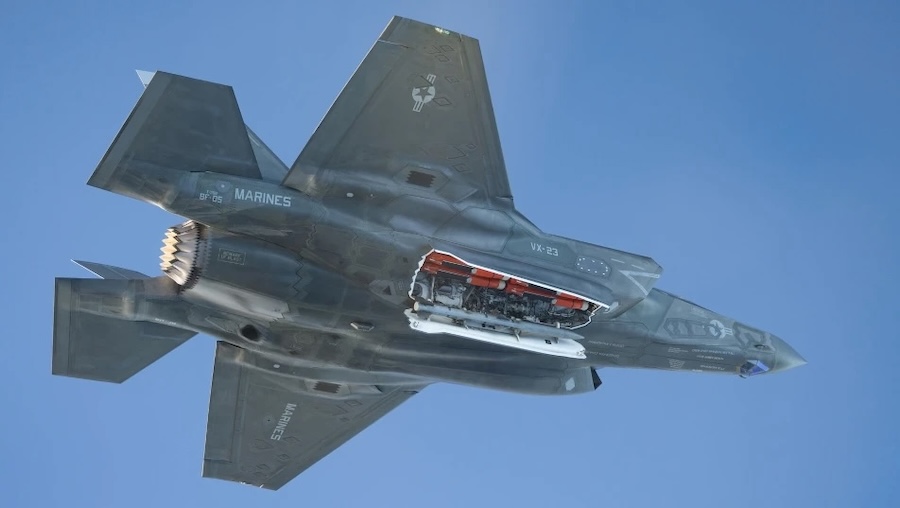
The allocation covers the 2026/27 to 2029/30 financial years and forms part of a wider investment programme for the air domain. The Ministry of Defence said the figures for individual aircraft exclude cross-cutting expenditure such as support and munitions.
The ministry cast the purchase as an industrial investment as well as a force-modernisation decision. It said the additional aircraft would bring “substantial UK workshare”, reflecting a broader policy of treating capability delivery and industrial development as mutually reinforcing.
The F-35 investment also sits within Britain’s wider defence relationship with the United States, which the plan describes as the UK’s most important defence and security partner. The document points to the countries’ longstanding nuclear partnership under the 1958 Mutual Defense Agreement and the 1963 Polaris Sales Agreement.
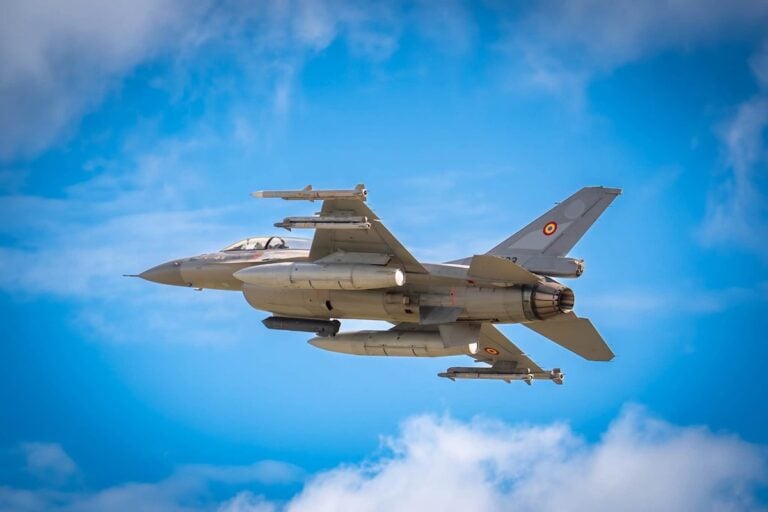
The F-35A will give the RAF a new role within NATO by allowing Britain to join the alliance’s Dual Capable Aircraft nuclear mission. Purchasing more F-35As is listed among the government’s nuclear investment priorities for the next decade.
At fleet level, the F-35 will form part of a future RAF operating a combination of fourth-, fifth- and sixth-generation crewed and uncrewed aircraft. Britain plans to invest at least £70 billion in new air capabilities between 2030 and 2035, including additional aircraft intended to increase the size of its combat-air force.
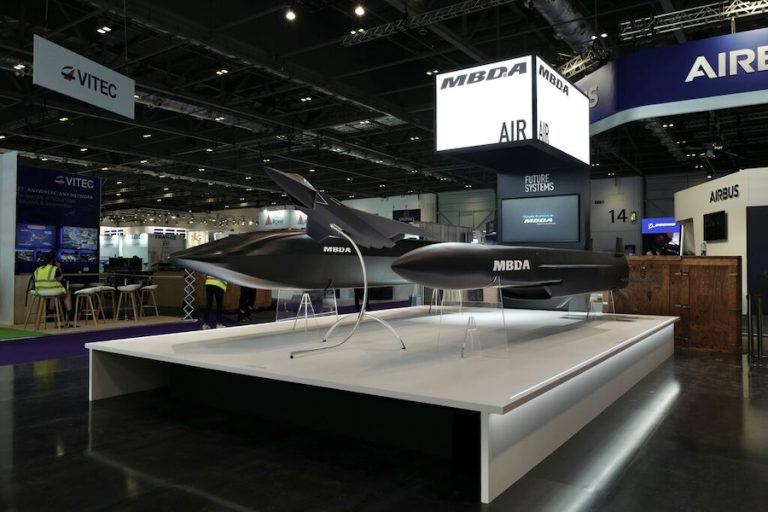
The plan also allocates £300 million to begin developing Collaborative Combat Aircraft designed to operate alongside fourth- and fifth-generation fighters. The government aims to have a concept demonstrator flying by at least 2030 and intends the programme to support operations from land bases and aircraft carriers.
Britain’s F-35B fleet will be incorporated into a hybrid carrier air wing supported by uncrewed systems. Almost £240 million is assigned to Project PANTHEON, including early Project VANQUISH trials of jet-powered drones intended to work alongside the F-35B force.
Further investment is planned in stand-off and long-range weapons for the Lightning Force alongside the SPEARCAP3 programme. The combination of new aircraft, autonomous systems and weapons is intended to strengthen the RAF while sustaining the industrial base that supports Britain’s combat-air capability.
The Defence Investment Plan states that its figures are indicative rather than binding and remain subject to approvals, affordability and contracting procedures. It also warns that individual programmes may be reprioritised, deferred, rescoped or cancelled.