
The plan identifies DragonFire integration as one of the most significant weapons projects scheduled between the 2026-27 and 2029-30 financial years. The £490 million allocation covers the wider development of directed-energy weapons rather than DragonFire alone.
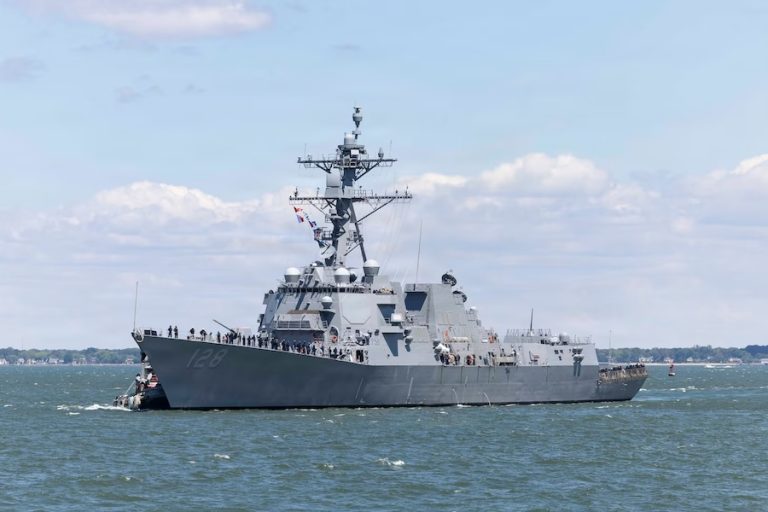
The government did not specify how many Type 45 destroyers will receive the system. It also provided no separate cost or detailed delivery timetable for the naval integration work.
DragonFire is one element of a broader modernisation of the Type 45 fleet. The destroyers will receive missile upgrades and an improved Sea Viper system, with an initial ballistic missile defence capability due by 2028.
The investment plan lists a further £600 million of spending on the Type 45 programme over the four-year period. It does not divide that funding between individual upgrades or support requirements.
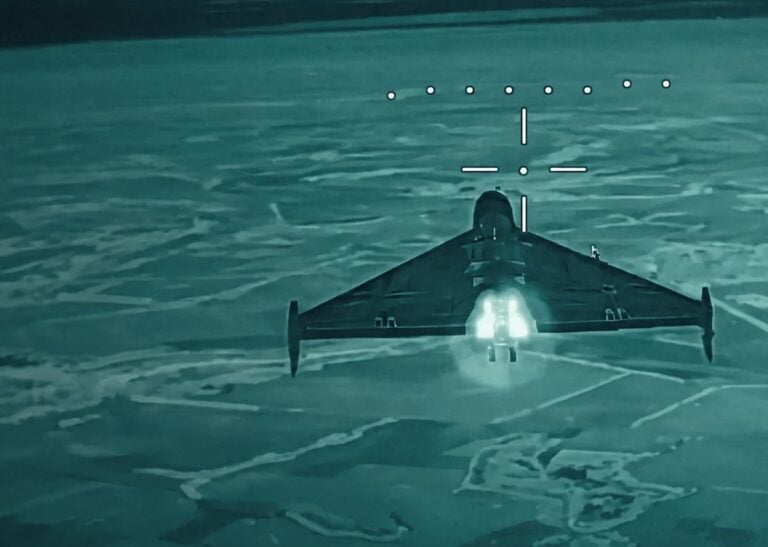
Britain is also committing £790 million to improve the protection of the country and its overseas bases from aircraft, drones and missiles. The programme includes new sensors, replacement command-and-control systems and an Integrated Air, Space and Missile Defence Operations Centre.
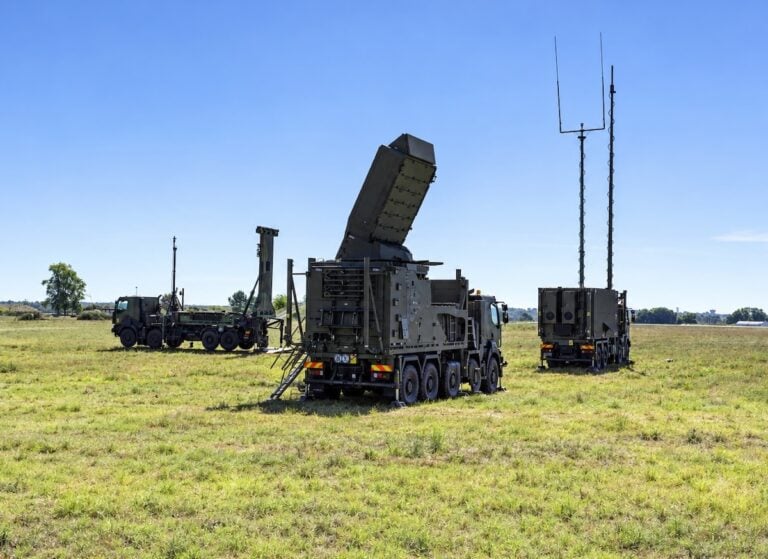
More than £750 million will fund short-range counter-drone protection for forces at home and overseas. A separate allocation of more than £350 million will double the number of Sky Sabre air-defence systems operated by the British Army.
The DragonFire programme forms part of £11.1 billion in planned spending on weapons and munitions. The government wants to balance costly, complex missiles with less expensive systems capable of addressing a wider range of threats.
Directed-energy weapons are central to that approach because they offer an alternative to systems relying on conventional explosives. The plan commits Britain to continued investment in the technology for both maritime and land platforms beyond 2030.
The government has also pledged to direct at least 10% of its annual equipment budget towards novel technologies from 2026-27. Spending in this category, which includes directed energy, artificial intelligence, autonomy and quantum systems, is projected to rise from £2.1 billion to £3.2 billion by 2029-30.
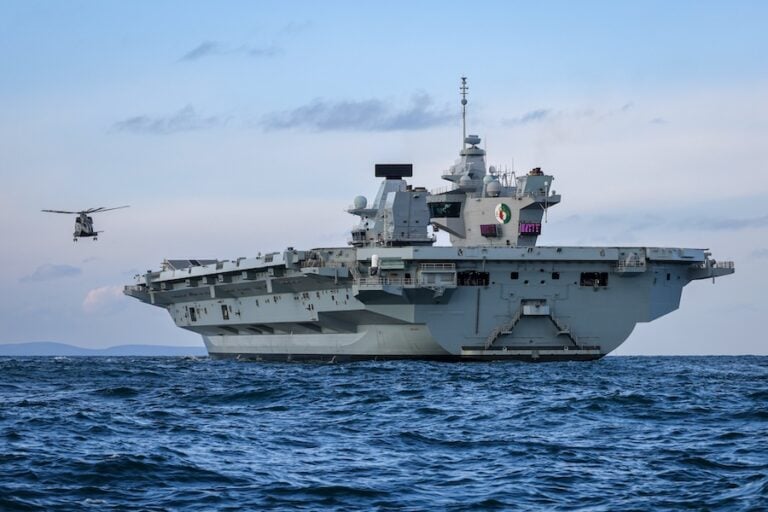
DragonFire will enter the Type 45 programme while the destroyers remain the Royal Navy’s primary contribution to Britain’s integrated air and missile defence. The ships are due to begin retiring from 2035 and will eventually be replaced by a distributed maritime air-defence system within the planned Hybrid Fleet.