The variants are intended to give navies a choice of configurations and room to add equipment as their needs change. Naval Group says future versions could also offer greater autonomy, more carrying capacity and expanded command capabilities.
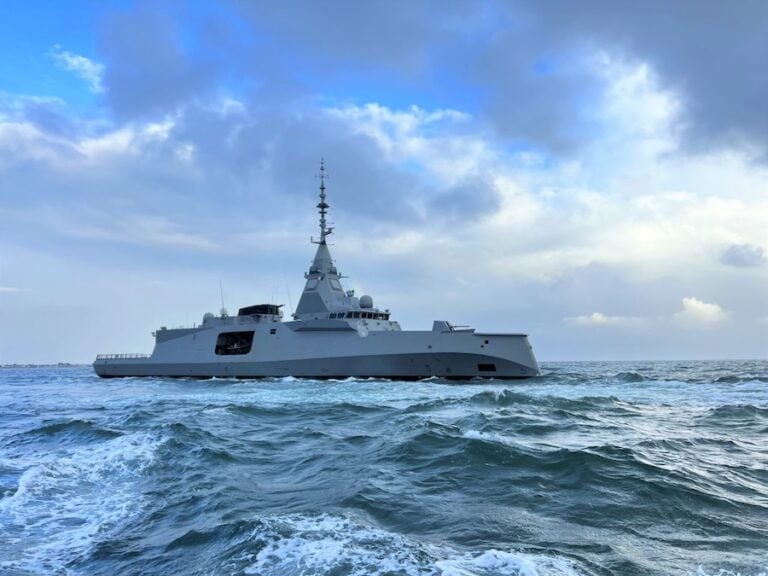
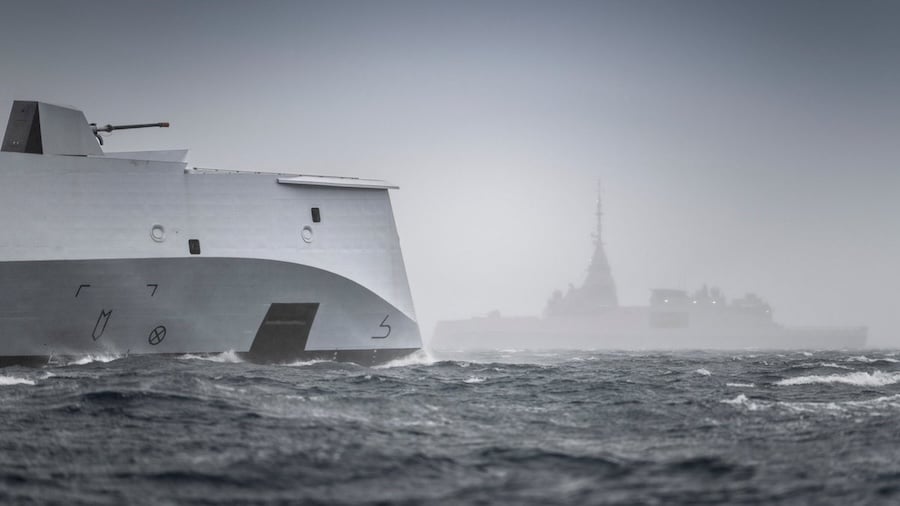
The French Navy ordered its fifth FDI in March 2026, and Naval Group says the design has drawn interest from Greece and Sweden. The shipbuilder pointed to the extended deployment of *Amiral Ronarc’h* in early 2026 and said the hull design, including the inverted bow, helps the frigate sustain long operations at sea and use its weapons effectively.
The FDI carries Thales’ CAPTAS-4 sonar and Naval Group’s MU90 torpedo for anti-submarine warfare, drawing on the experience of France’s FREMM multimission frigates. Its air-defence equipment includes Thales’ Sea Fire digital radar and Sentinel electronic warfare system, which share a mast that provides continuous 360-degree surveillance, Naval Group said.
#FDI
Because high intensity demands high density and high flexibility.
#Euronaval https://t.co/FUTop05xgI
— Naval Group (@navalgroup) November 3, 2026
The sensors feed the Setis combat management system, which Naval Group says has been used in combat and gives crews a real-time view of threats across multiple domains. The frigate processes that information through a distributed digital architecture and cybersecure data centres.
The FDI uses redundant radio and satellite links to share information during operations with other navies, according to Naval Group. The company says those links could also help the frigate operate as part of future hybrid fleets.
:chatgpt-content-reference{index=”0″}[Naval-Group-FDI-frigate-variants.md](sandbox:/workspace/scratch/a2137e886e77/Naval-Group-FDI-frigate-variants.md)