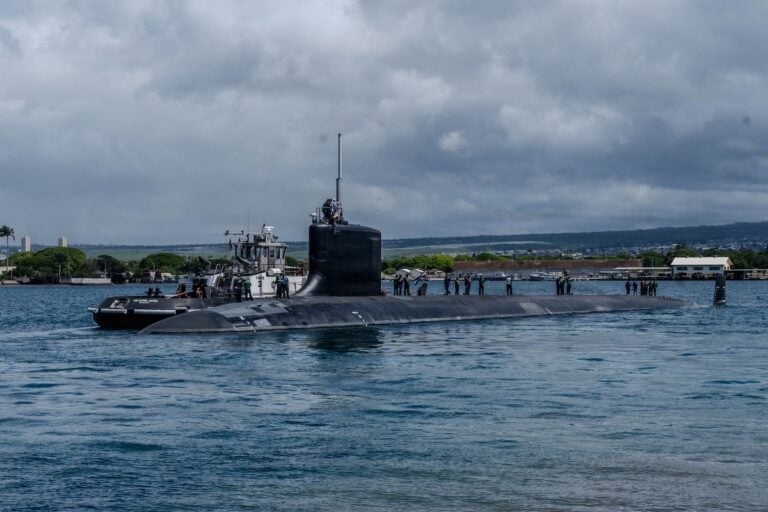
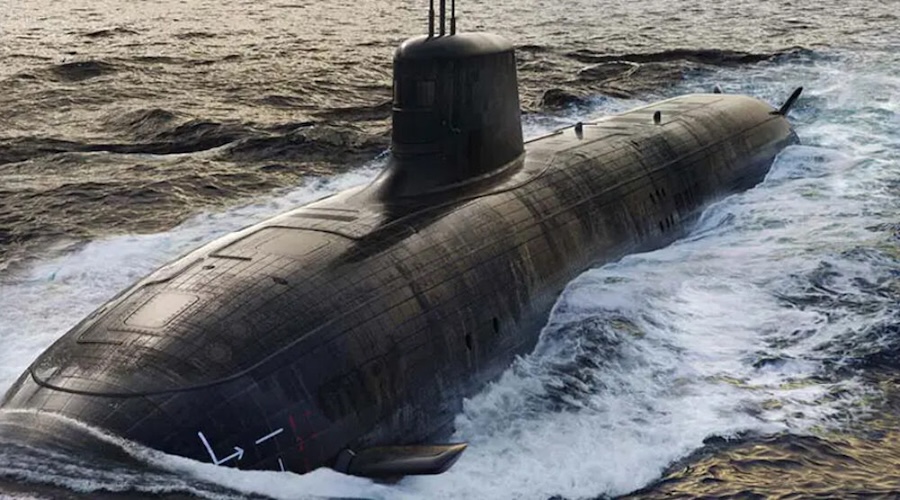
A new Submarine Production Alliance will bring the Dreadnought and UK SSN-AUKUS programmes under a single portfolio. It will unite the government’s Submarine Delivery Group with BAE Systems, Rolls-Royce Submarines and Babcock International to coordinate design and production across the two programmes.
Sir Chris Gardner, chief executive of the Submarine Delivery Agency, said investment in the Barrow yard and supply chain was improving construction performance. Further spending through the Submarine Build Modernisation programme would prepare the industry for SSN-AUKUS and Britain’s commitments under AUKUS Pillar 1.
“This marks our ambition to enable continuous submarine production in the UK to meet the requirement for up to 12 SSN-A submarines for the UK and to double the rate of submarine production,” Gardner said. The agency did not specify a deadline for reaching that production rate.
The industrial expansion comes as Dreadnought construction gathers pace, with more than one million hours of build work delivered in 2025, three times the level recorded in 2023. All units for the first submarine have been transferred to the Devonshire Dock Hall at Barrow for final outfitting and assembly.
The production alliance builds on the partnership established for Dreadnought, extending that approach to SSN-AUKUS and future submarine programmes. Its purpose is to coordinate resources, establish consistent production processes and give suppliers clearer demand signals across successive classes.
More than 300 UK suppliers attended the alliance’s inaugural supply chain conference in 2025. It was the first event to bring together companies supporting both Dreadnought and SSN-AUKUS, giving the industry a shared forum as preparations for the future programme continue.
Further investment at Barrow and Raynesway is intended to increase capacity, capability and productivity through the Submarine Build Modernisation and Core Production Capability programmes. At Barrow, work on the new Devonshire Dock Quay is providing facilities needed for in-water testing and commissioning of Dreadnought and future submarine classes.
The agency identified a Preliminary Design Review for SSN-AUKUS in 2026 as a key step towards preparing for production. The submarines will replace the Royal Navy’s Astute class, with UK-Australian cooperation governed by a treaty signed in July 2025 covering a 50-year partnership.
The expansion also depends on suppliers being able to meet demand, and the agency said it was working with its industrial partners to identify vulnerabilities and mitigate production delays. In the motors category, it reported introducing additional suppliers to reduce reliance on a single source.
The production ambition and programme milestones are detailed in the Submarine Delivery Agency’s Annual Report and Accounts 2025/2026, presented to Parliament in October 2026. The document sets out the intended industrial expansion but does not report that a doubled production rate has been achieved.