
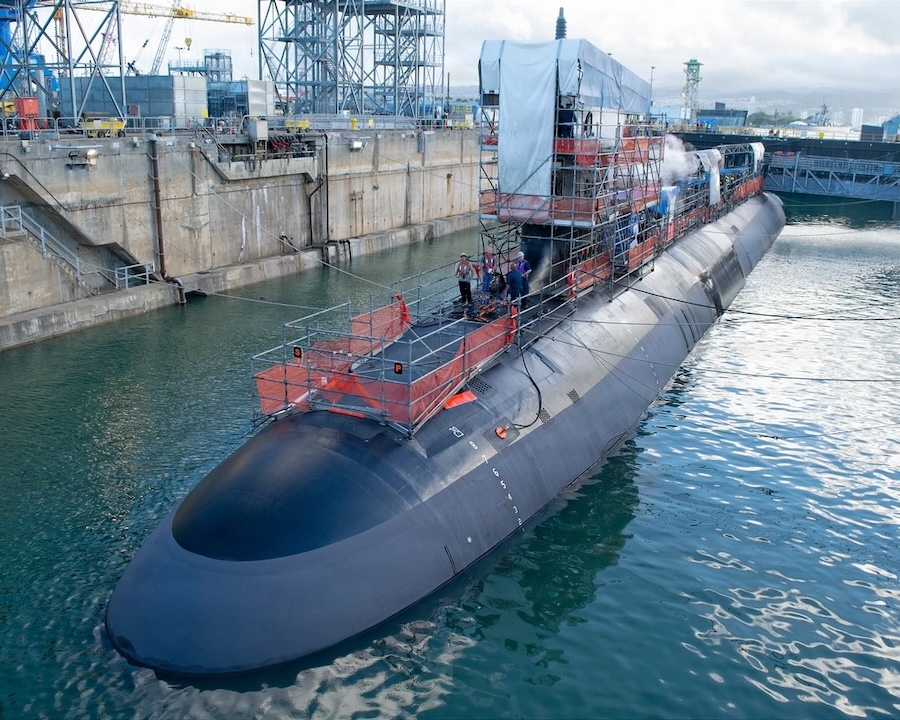
Most of PCG’s existing revenue and backlog supports the U.S. Naval Nuclear Propulsion Program, BWXT Chief Executive Officer Rex Geveden said. The company completed the acquisition in early July.
Geveden discussed the acquisition during BWXT’s second-quarter 2026 earnings call. He said the acquired operations could help the company bring selected outsourced production in-house, retain more supply-chain value and ease capacity constraints.
The integration process will take place over the next several quarters. BWXT is assessing which parts of its existing production portfolio could be transferred to PCG and how much additional capital may be required.
Geveden said the assessment would unfold over roughly one year. The company has not yet detailed the specific naval nuclear work that could be moved into the acquired facilities.
PCG also expands BWXT’s broader U.S. nuclear manufacturing footprint. The business has previously supplied components for commercial reactors, including AP1000 projects, giving BWXT a platform that can serve both naval propulsion and commercial nuclear demand.
The acquired facilities are suited to medium-scale nuclear components rather than the largest reactor equipment, Geveden said. Their capabilities include fuel assemblies, modules and other pressure-boundary components.
That capacity complements BWXT’s existing plants, which manufacture larger and more complex nuclear systems. Geveden said the PCG transaction had effectively doubled the company’s commercial nuclear manufacturing footprint while creating opportunities to support additional work internally.
Customer feedback on the acquired capabilities has been positive, according to Geveden. He said the deal could generate near-term synergies while strengthening BWXT’s ability to manage production volumes and supply-chain requirements.