
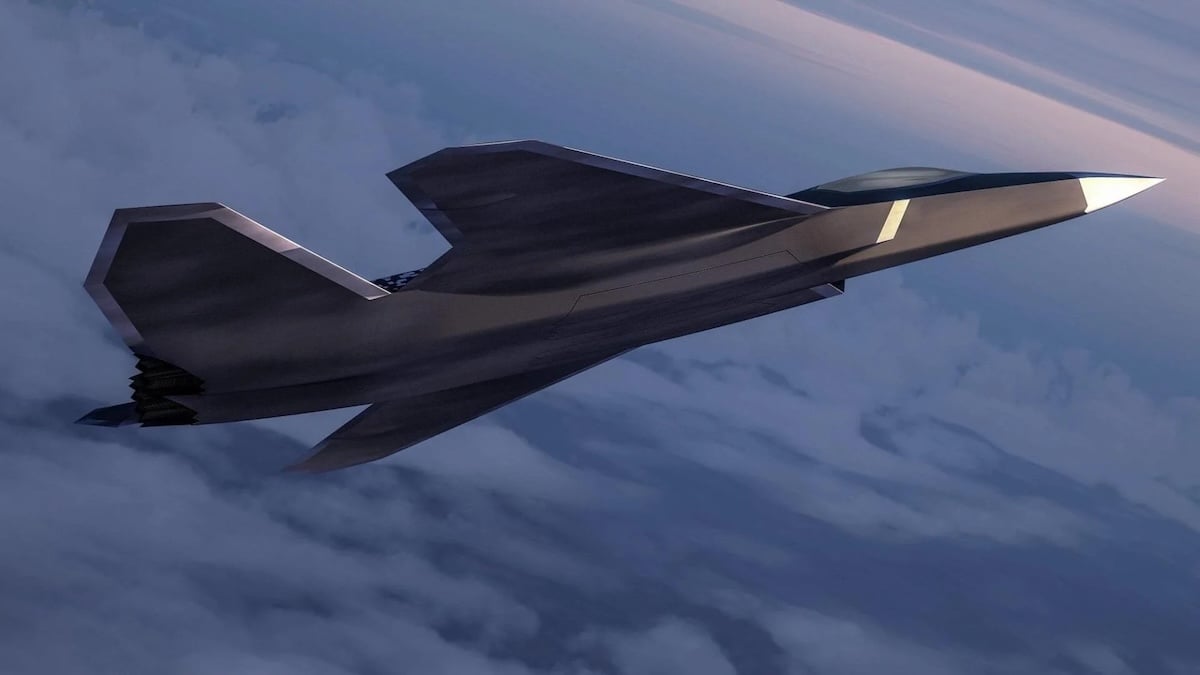
Franco-German cooperation broke down in June 2026, prompting France to take responsibility for technologies previously assigned to foreign partners. Armed Forces Minister Catherine Vautrin told parliament on 8 October that the decision to begin domestic development of all key technologies had been taken in July.
Paris intends to retain the research and technologies developed during the partnership. It aims to limit costs and keep the programme on its original schedule.
The initial demonstration phase began in December 2022 with a development contract under the multinational Future Combat Air System programme, known as FCAS or SCAF. Work to date has focused on concepts and research.
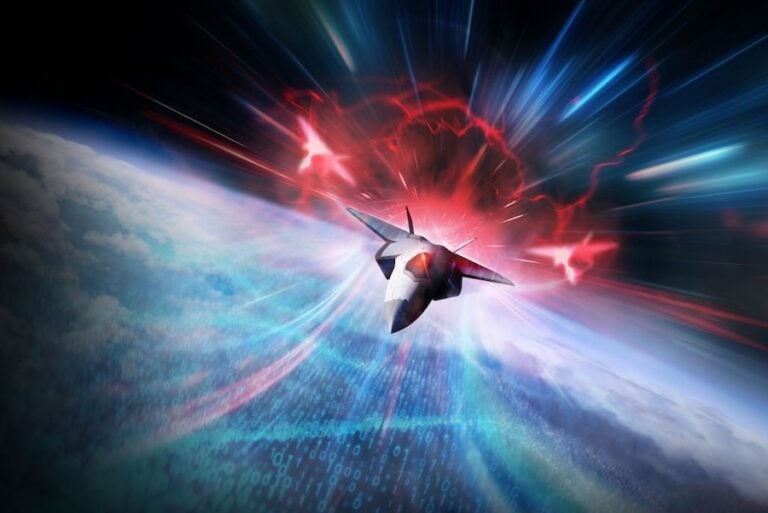
The second phase is intended to cover the design, construction and first flight of a New Generation Fighter, or NGF, demonstrator. That aircraft will be used for experiments and tests of selected technologies.
Dassault Aviation chief executive Éric Trappier told the French Senate on 1 July 2026 that the demonstrator could make its first flight in 2031 or 2032. The proposed schedule therefore places the start of full-scale development before the demonstrator’s flight.
The defence ministry is seeking to raise the programme’s allocation for contractual commitments from €1.2 billion in 2026 to €2.74 billion in 2027. These funds would allow contracts to be awarded for work carried out and paid for over several years.
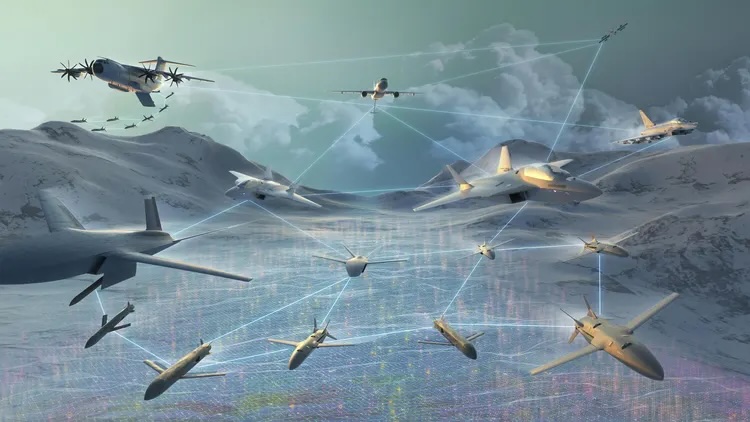
Actual payments in 2027 would increase by 23%, from €454.5 million to €557.8 million. Research into low-observable technologies and cooperation between crewed and uncrewed aircraft would also receive funding.
Engine development is another part of France’s preparations to proceed independently. Propulsion work under the multinational programme had been assigned to EUMET, a consortium involving companies from France, Germany and Spain.
Safran retained technical leadership for engine design and integration despite the agreed division of potential component production. France can also use results from Safran’s Turenne 2 programme, launched in 2019 to develop engine technologies beyond the upgrade potential of the Rafale’s current M88.
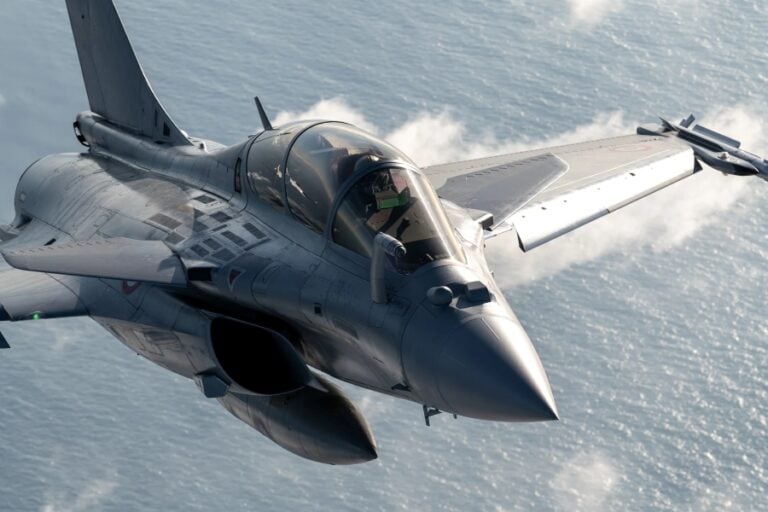
Before the partnership ended, France had selected the substantially upgraded Rafale F5 as an interim step towards the next-generation fighter. The F5 standard is intended to enter service between 2033 and 2035.
It will receive an improved radar, electronic warfare systems and the nuclear-armed ASN4G hypersonic missile. It will also be able to operate alongside an uncrewed combat aircraft derived from the nEUROn demonstrator.
The planned M88 T-REX engine will provide 20% more thrust than the current version. France intends the F5 upgrades to sustain its air combat capability until the Rafale successor enters service.