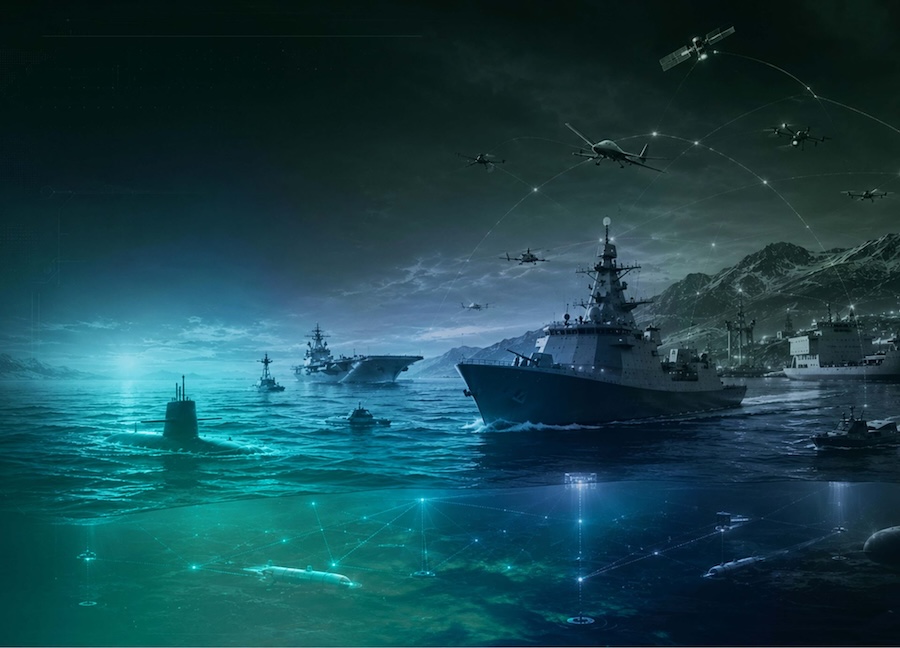
The initiative is intended to enable forces to combine rapidly, operate seamlessly and respond immediately to emerging threats. It places renewed emphasis on collaboration across doctrine, training, planning, sustainment and capability development.
The Joint Expeditionary Force comprises Denmark, Estonia, Finland, Iceland, Latvia, Lithuania, the Netherlands, Norway, Sweden and the United Kingdom. The Royal Navy said the agreement reflects common concern over a fast-changing maritime security environment, including undersea threats, risks to seabed infrastructure and advancing technologies.
The proposition is designed to help participating navies act and fight together more effectively. It also aims to support the ability to substitute, swap or mix equipment, parts, ammunition and personnel across participating forces.
First Sea Lord and Chief of Naval Staff, General Sir Gwyn Jenkins, said: “The proposal that all ten JEF nations have agreed represents a historic change. This is about shifting from periodic cooperation to a truly integrated approach where our forces can combine at pace and fight immediately together when required to do so.”
“By strengthening our frameworks and partnership, we are building a more credible maritime force – one that enhances our deterrence along our open sea border with Russia, supports NATO and provides real options to political leaders in times of crisis and conflict. We all agreed that the stronger JEF maritime partnership we are building will play a vital role as NATO’s vanguard.”
“We are creating a forward, high-readiness force capable of responding rapidly in the early stages of escalation and seamlessly transitioning into NATO command if required.” The Royal Navy said the proposition places the UK, as framework nation, at the centre of a shared maritime enterprise involving people, platforms, data and partnerships.
The collective approach is intended to deliver persistent effect during competition and allow rapid expansion during crisis or conflict. The Royal Navy said the measures will help JEF maritime forces operate persistently, generate and sustain greater combat power, and respond coherently to regional threats.
The strengthened collaboration will focus on shared standards, operating concepts, training and assurance to maintain a consistently high level of readiness. It will also seek to improve operational planning, accelerate deployment of combined forces, develop sustainment arrangements across national boundaries and support compatible capabilities through shared development.
The signing by all ten nations signals an intention to deepen relationships and remove barriers to integration. The Royal Navy said the stronger JEF maritime partnership demonstrates the value of like-minded nations working together to support a stronger Europe and a more capable NATO alliance.