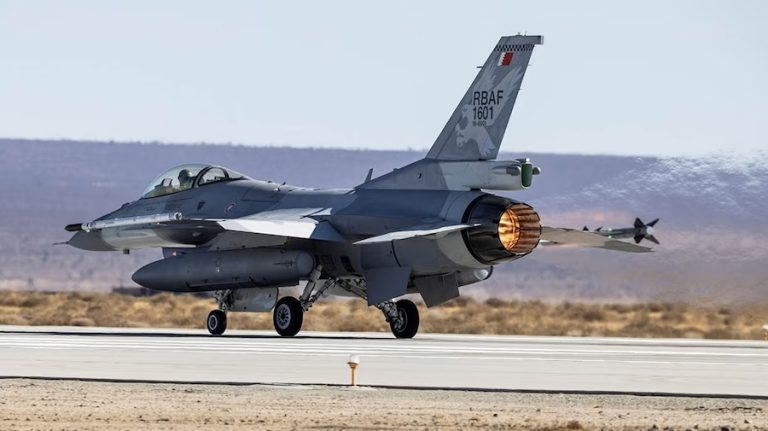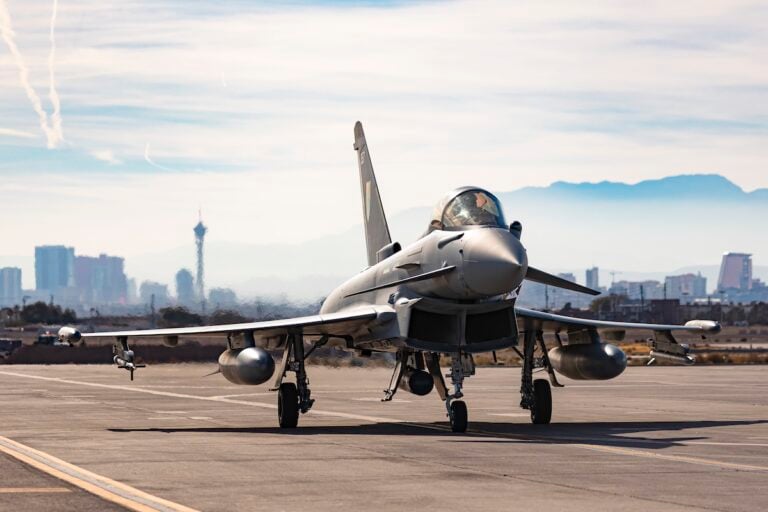
The capability is available to European F-16 operators seeking to modernize aircraft already in service without replacing the underlying platform. Northrop Grumman says continued technology insertion can keep fourth-generation fighters relevant for operations against near-peer adversaries while improving protection for aircrews.
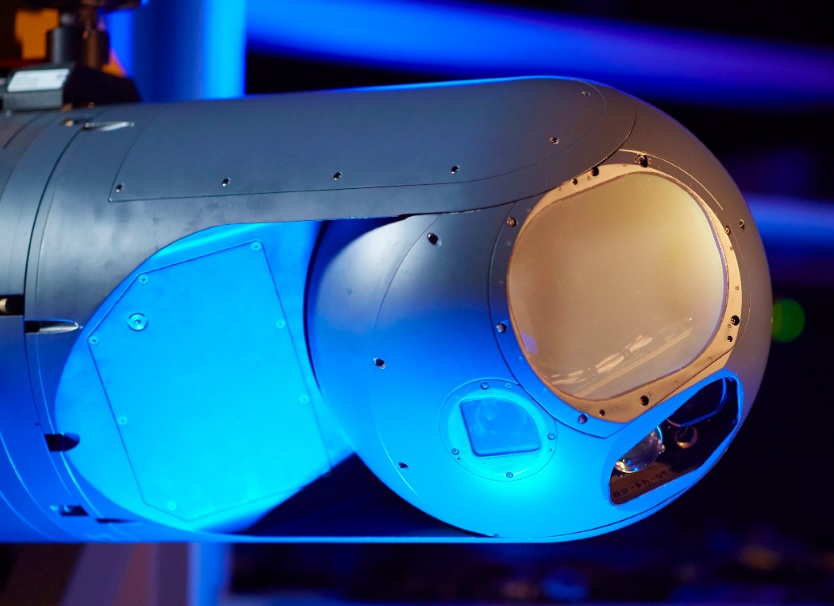
LITENING is an electro-optical and infrared targeting pod designed to detect, acquire, identify and track targets at extended ranges. It supports missions including precision targeting, air superiority, close air support, surveillance and humanitarian assistance, while its modular architecture allows new capabilities to be added over time.
The latest version, LITENING Large Aperture, significantly expands the pod’s sensing capability through a new three-aperture configuration. It accommodates larger colour daylight, mid-wave infrared, short-wave infrared and long-wave infrared sensors, giving crews access to a broader portion of the electromagnetic spectrum.
Northrop Grumman says Large Aperture delivers a 50% increase in resolution and an operationally significant improvement in range compared with earlier configurations. More powerful graphics processing and advanced video-processing algorithms are designed to improve image clarity and help crews identify and assess targets more quickly.
The pod can display digital high-definition colour video and imagery across multiple infrared bands, with picture-in-picture functionality supporting as many as three simultaneous views. Laser imaging sensors are designed to improve target identification where conventional infrared imagery may be limited.
Networking is another part of the upgrade path, with LITENING’s Plug-and-Play III architecture supporting secure two-way communications across several frequency bands. The digital architecture can accommodate advanced data links, user-defined networking applications and full mission recording, allowing information to be shared with other aircraft and networked users.
Northrop Grumman has supplied more than 900 LITENING pods to U.S. forces and international customers, with the fleet recording more than 3 million flight hours. Many of those hours were accumulated during combat operations, while the company says worldwide support has helped maintain an availability rate above 97%.
The U.S. Air Force has also awarded Northrop Grumman a $1.8 billion multiyear framework covering continued production, sustainment and upgrades of LITENING. For European F-16 operators, the company is positioning the pod’s combination of longer-range sensing, higher-resolution imagery, data links and modular upgradeability as a route to extending the operational relevance of existing fighter fleets.