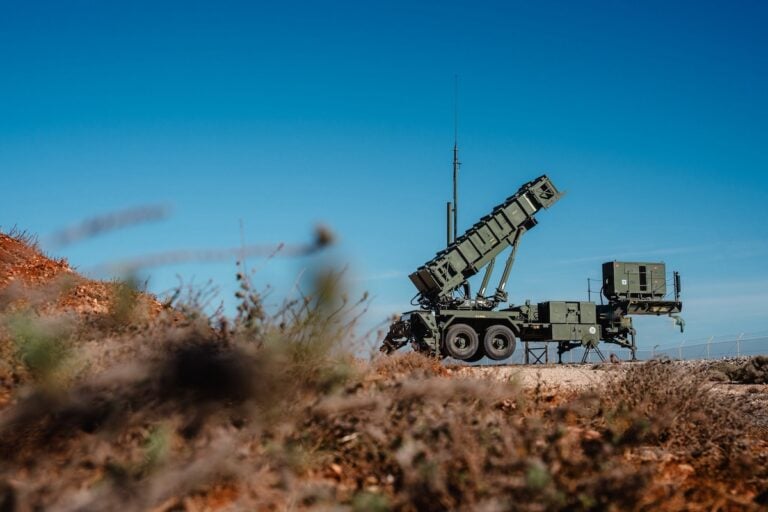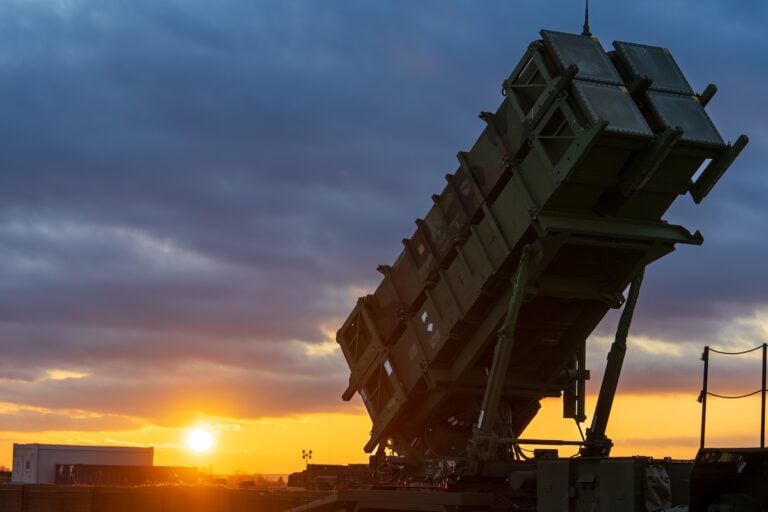
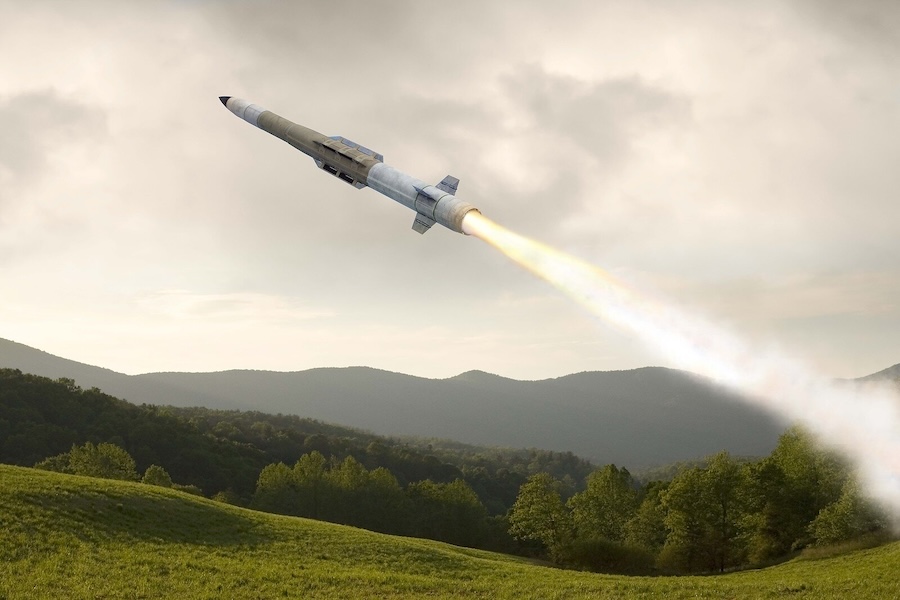
The proposed facility is intended to strengthen NATO’s integrated air and missile defense readiness. Lockheed Martin said in-region maintenance and sustainment capabilities would help keep PAC-3 missiles ready, reliable and rapidly deployable against evolving threats.
“Industrial cooperation strengthens the transatlantic defense industrial base and contributes to economic progress and shared security,” said Jay Pitman, president, Lockheed Martin International. He said the effort reflects Lockheed Martin’s broader work with NATO allies and industry partners.
“For more than 75 years, Lockheed Martin has demonstrated our commitment to being a strategic partner for the defense and security of Europe. Today, we are accelerating our work with NATO allies and industry partners to expand integrated air and missile defense capacity, strengthen regional sustainment networks and support the rising global demand for these capabilities.”
The proposed PAC-3 Missile Maintenance Facility would support the growing community of NATO allies operating PAC-3 Missile Segment Enhancement interceptors and PAC-3 Cost Reduction Initiative interceptors. Lockheed Martin said the facility would form part of wider efforts to strengthen regional sustainment networks for air and missile defense systems.
Lockheed Martin said it would contribute decades of experience in missile production, sustainment, engineering and supply-chain management. The company said this expertise would support development of the proposed facility and the allied nations that depend on PAC-3 capabilities.
Demand for PAC-3 continues to grow worldwide, driven by its combat-proven performance, according to Lockheed Martin. In January, a landmark framework agreement was established with the U.S. Department of War to triple production capacity for PAC-3 MSE.
In April, the U.S. government awarded Lockheed Martin a $4.7 billion contract to continue accelerating PAC-3 MSE production this year. The company said the effort is intended to ensure U.S. allies have advanced air and missile defense capabilities needed to defend what matters most.