The U.S. Army has included two missile defence orders in the draft fiscal 2027 budget. Their combined value is expected to reach several billion dollars.
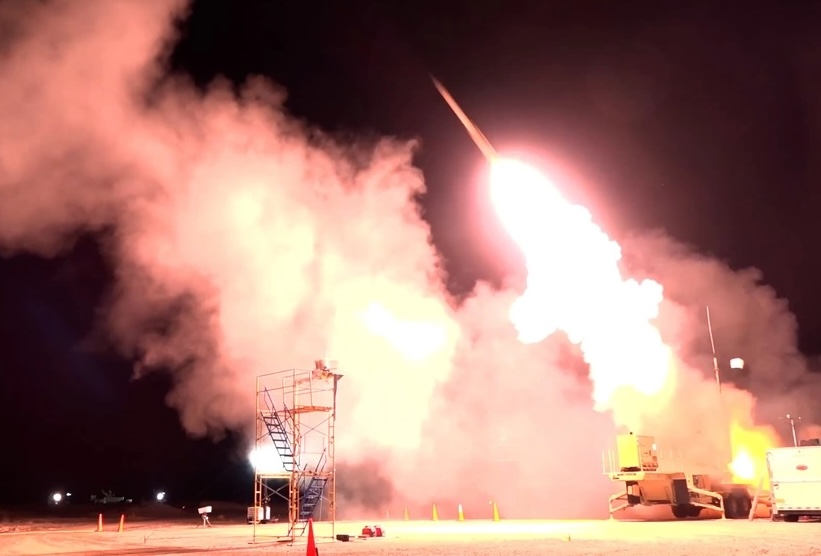
The first planned order covers 857 THAAD, or Terminal High Altitude Area Defense, interceptors. It would be one of the largest THAAD orders in the history of the U.S. Army.
The THAAD system, produced by Lockheed Martin, is designed to defeat short- and medium-range ballistic missiles in the terminal phase of flight. It can engage targets both inside and outside the atmosphere using hit-to-kill kinetic impact technology.
The procurement is intended to directly strengthen protection for U.S. bases and military installations in the Indo-Pacific. These include locations such as Guam and South Korea.
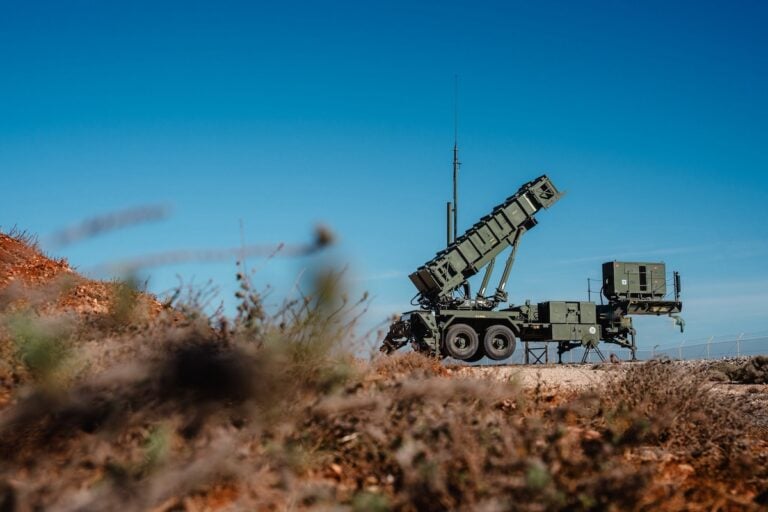
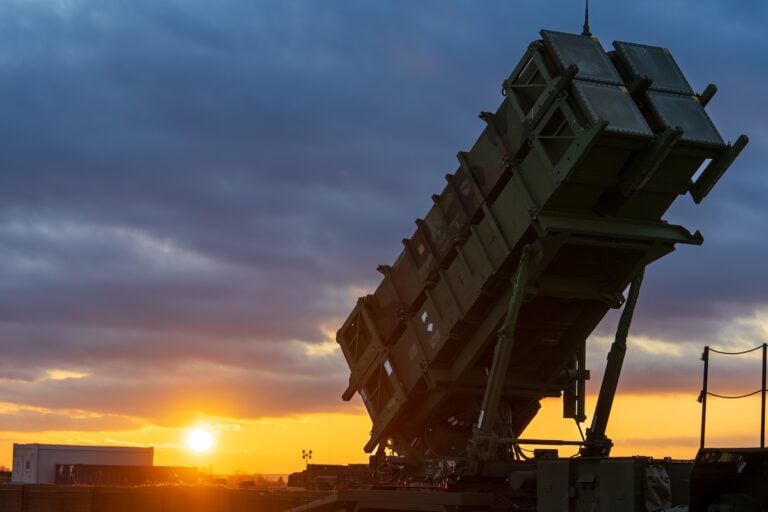
The second planned order covers 2,798 Patriot PAC-3 MSE interceptors worth $12.2 billion. This is almost eight times more than the 357 missiles planned in the fiscal 2026 budget.
PAC-3 MSE is the most advanced variant of the Patriot missile. It is equipped with a dual-pulse motor, improved guidance and the ability to counter ballistic missiles, cruise missiles and aircraft.
Many foreign customers are also waiting for deliveries of PAC-3 MSE missiles for their Patriot systems. Ukraine is among the countries seeking additional missiles as it continues to defend against Russian air and missile attacks.
The U.S. orders respond to the growing threat from the People’s Liberation Army Rocket Force. China fields one of the world’s largest arsenals of conventional ballistic missiles, including DF-21 and DF-26 systems capable of striking regional targets.
Lessons from the war in Ukraine have shown that future high-intensity conflicts can quickly deplete interceptor stockpiles. This has made arsenal depth a key element of combat readiness.
The purchases support the Pentagon’s concept of a layered missile defence architecture. THAAD provides high-altitude protection, while Patriot is responsible for defence at medium and lower altitudes.
The architecture also includes Aegis, a sea-based missile defence system installed on warships. Aegis can counter threats both inside and outside the atmosphere.
These systems are linked by the Integrated Battle Command System, or IBCS. IBCS connects data from sensors and launchers into a single network, allowing coordinated real-time responses to threats.
This architecture is intended to provide effective protection against missile attacks at different stages of flight and from different directions. It reflects the Pentagon’s wider effort to prepare for complex missile threats in the Indo-Pacific.
However, missile production capacity remains a major challenge. Lockheed Martin, the main contractor for both THAAD and PAC-3 MSE missiles, has long operated production lines sized for much lower delivery rates.
The Pentagon has already taken steps to expand production capacity. These include tripling production of PAC-3 MSE seeker heads.
Even so, fulfilling orders of this scale will require further investment in component supply chains, expanded production facilities and more skilled workers. The scale of the planned purchases will place significant pressure on the U.S. defence industrial base.
Maintaining strong manufacturing capacity has become a strategic priority for the Pentagon and Congress. This is especially important as global demand rises for advanced missile defence systems from NATO allies and Indo-Pacific partners.