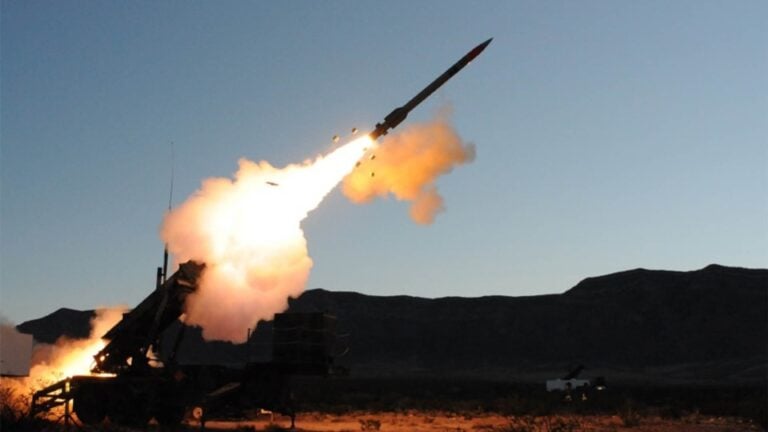

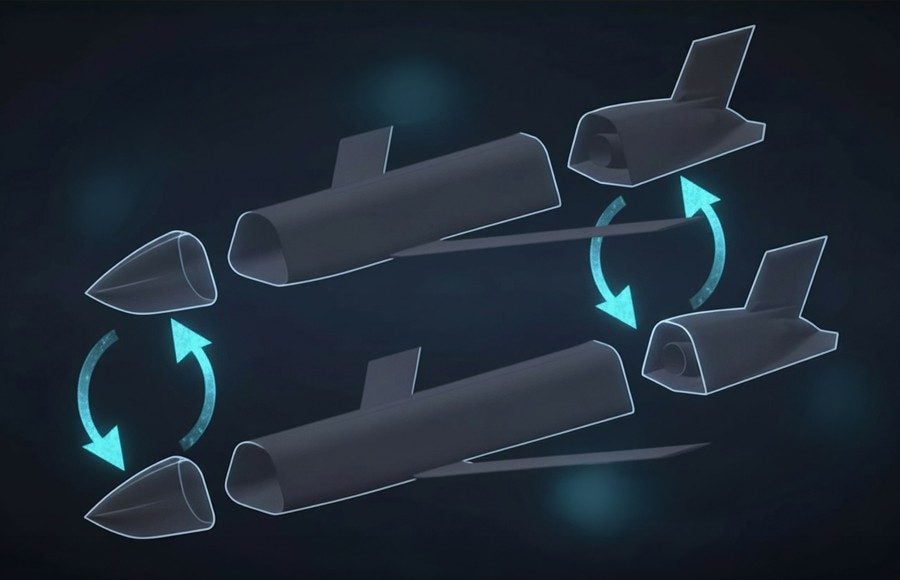
FLEX combines combat-proven JASSM subsystems with interchangeable sections that can be configured for different weapons and launch platforms. The architecture is intended to give current and future AGM-158 customers more freedom to adapt the system to changing operational requirements.
A removable nose section can house the sensor suites used by the Joint Air-to-Surface Standoff Missile or the Long Range Anti-Ship Missile. An interchangeable boat tail will support surface, subsurface and ground launch in addition to the family’s existing air-launched configuration.
Lockheed Martin is also designing the air-launched version to retain compatibility with all current and future JASSM and LRASM aircraft. That approach limits the need for separate integration work when customers introduce new FLEX configurations.
The airframe will be available in two sizes aligned with different range requirements. A 206-inch extreme-range option will support JASSM-XR, while a 168-inch version will match the dimensions of JASSM-ER.
JASSM-XR will become the first weapon based on the FLEX architecture. Lockheed Martin said the configuration will provide the U.S. military and allied forces with significantly greater standoff strike range.
The modular structure will allow components to be replaced or upgraded without redesigning the entire weapon. The company expects this flexibility to reduce future costs, limit the effects of subsystem obsolescence and make capability updates easier to introduce.
Engineers from Lockheed Martin’s Missiles and Fire Control business and its Skunk Works advanced development division are working on the project. The investment has covered airframe design, testing, prototype production, concept development and preparations across key suppliers.
FLEX will use the established JASSM and LRASM production line, supply chain, mission-planning systems and software infrastructure. This industrial base is intended to support production at scale without creating a separate manufacturing system for each configuration.
Lockheed Martin opened a 225,000-square-foot production facility in 2022 to expand its manufacturing capacity. The site uses factory-model forecasting, a fully robotic paint line and automated processes that can support faster production and the introduction of new AGM-158 variants.