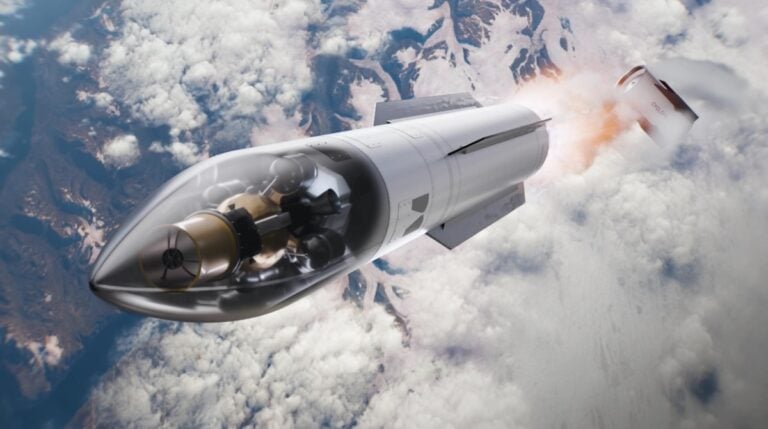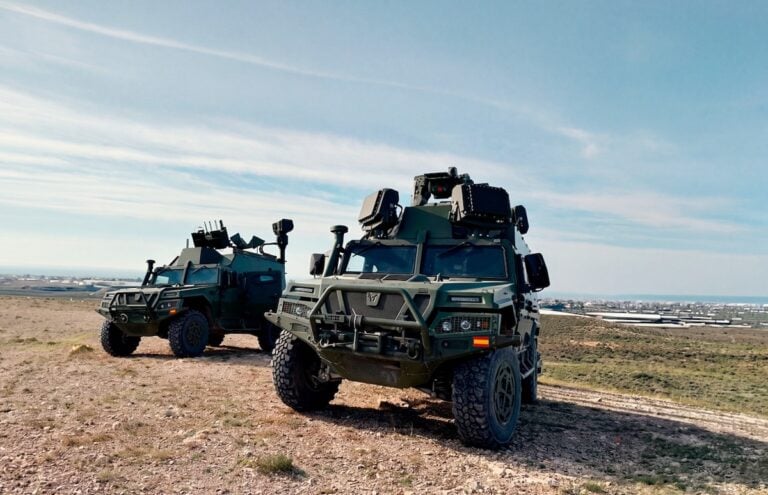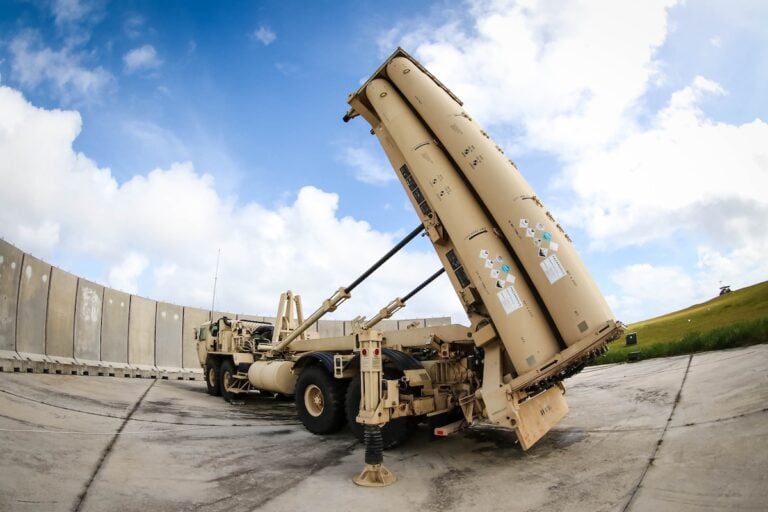
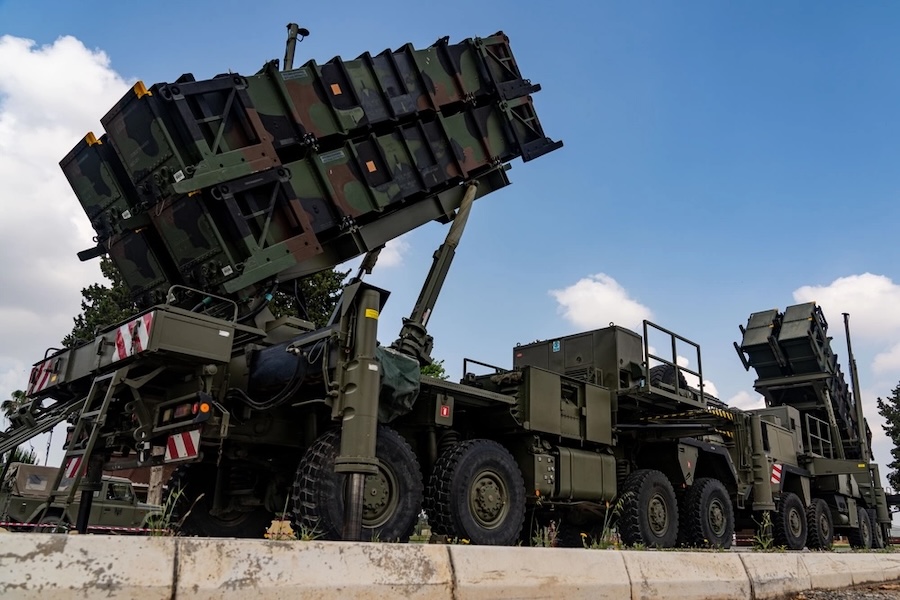
The shift is designed to move the Army away from stand-alone systems tied to individual sensors or weapons. IBCS instead uses an open, modular architecture to connect current and future capabilities across a common network.
The system fuses information from multiple sensors and provides commanders with real-time fire-control data. Its “any sensor, best shooter” approach allows users to select the most suitable weapon for a detected threat.
IBCS already incorporates the Indirect Fire Protection Capability, Lower Tier Air and Missile Defense Sensor and Sentinel A4. It has also demonstrated links with the G/ATOR radar, F-35 fighter, Common Anti-Air Modular Missile and Giraffe radar during tests and exercises.
Northrop Grumman said IBCS has completed 34 successful flight tests involving 44 intercepts. The system has been fielded in the United States and in U.S. European Command and U.S. Pacific Command areas.
Poland has also adopted IBCS for its medium- and short-range air defense systems. The Polish Ministry of National Defence declared full operational capability in 2025, making the country the first allied operator cited by Northrop Grumman as having fielded the system across both layers.
The automated battle-management system is designed to provide a single view of the battlefield and prioritize threats for engagement. Northrop Grumman said the architecture can preserve interceptor inventories and reduce training, infrastructure, maintenance, logistics and personnel costs.
The company is investing in a more adaptable IBCS framework to improve mobility, survivability and scalability. Planned changes include smaller configurations, artificial intelligence, increased automation and containerized software for faster updates.
Northrop Grumman said the expanded framework is intended for expeditionary missions and layered homeland defense. Its open architecture is designed to integrate new sensors and effectors as U.S. and allied missile-defense requirements change.