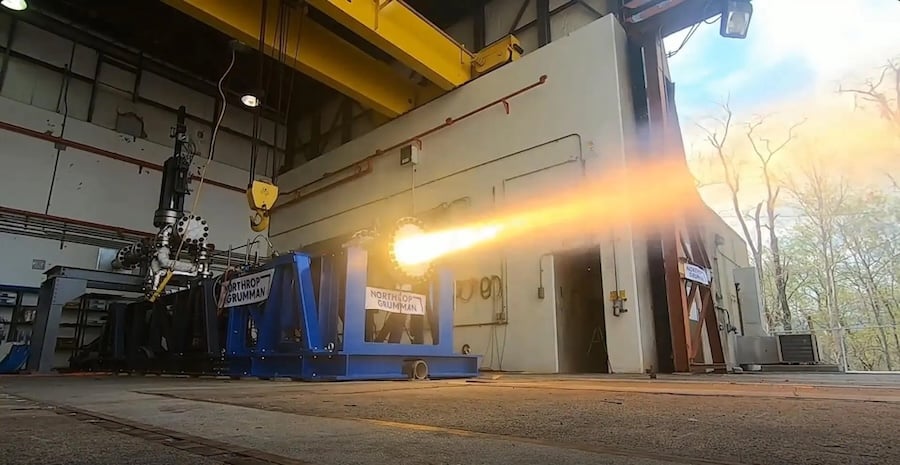
The propulsion design uses oxygen from the air during flight instead of carrying a chemical oxidizer within the motor. Northrop Grumman said the space saved can hold more fuel, potentially giving the missile greater range and energy when engaging aerial targets.
The company will integrate the propulsion system into missile prototypes and conduct ground and flight tests. Development will take place at its Allegany Ballistics Laboratory in West Virginia, with the design also intended to support production at scale.
XRC is intended to improve the Army’s Maneuver Short Range Air Defense system, which protects forces against low-altitude threats. Northrop Grumman said the proposed missile would be compatible with the Stinger Vehicle Universal Launcher and could address drones, fixed-wing aircraft and helicopters.
“By aligning the Army’s vision for next-generation air defense with our advanced propulsion expertise, we’re delivering capability that engages targets farther away, protects mobile forces and strengthens layered defense against emerging aerial threats,” said Erik Buice, Northrop Grumman’s vice president for missile products. The company also supplies the Army’s Forward Area Air Defense Command and Control system and develops software for managing responses to multiple drones.