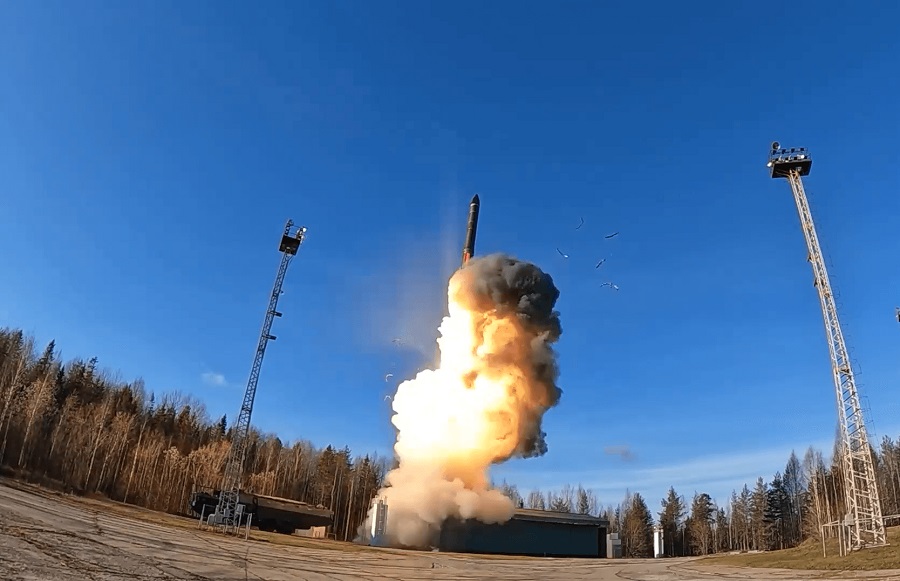
The exercise also used 7,800 weapons and items of specialised military equipment. According to a Russian Ministry of Defence statement on 22 May 2026, all exercise objectives were fully achieved, including missile launches that reached their designated targets.
The drills involved Russia’s Strategic Rocket Forces, the Northern Fleet and Pacific Fleet of the Russian Navy, Long-Range Aviation, and units from the Leningrad and Central Military Districts. Belarusian forces also took part in selected elements of the exercise.
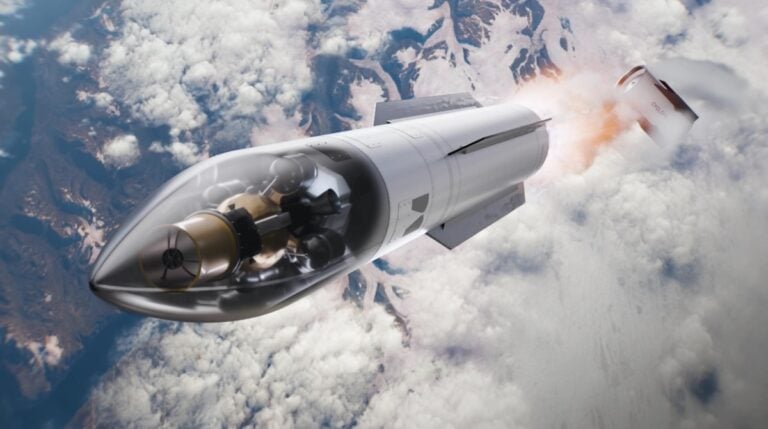
During the exercise, a Yars intercontinental ballistic missile was launched from the Plesetsk Cosmodrome towards the Kura test range in Kamchatka. Belarusian troops fired an Iskander-M missile from the Kapustin Yar test range.
Russian Navy frigates launched Tsirkon hypersonic missiles towards the Chizha test range. A Russian Navy submarine also launched a Sineva strategic ballistic missile from beneath the waters of the Barents Sea.
Russian Tu-95MS long-range aircraft and MiG-31I aircraft conducted flights carrying Kinzhal hypersonic missiles. The exercise therefore included land, sea and air elements of Russia’s strategic and long-range strike forces.
The Belarusian Ministry of Defence said Russian armed forces practised raising nuclear weapons to the highest level of combat readiness. A Belarusian missile subunit moved to a designated area, while Belarusian army personnel trained in its protection, defence and supply.
In Belarus, forces practised the simulated use of an Iskander-M missile. To make the exercise more realistic, nuclear ammunition was delivered to field storage sites of a Belarusian missile brigade.
The missile armed with that ammunition did not leave its launcher. Earlier, however, troops had practised the full launch cycle.