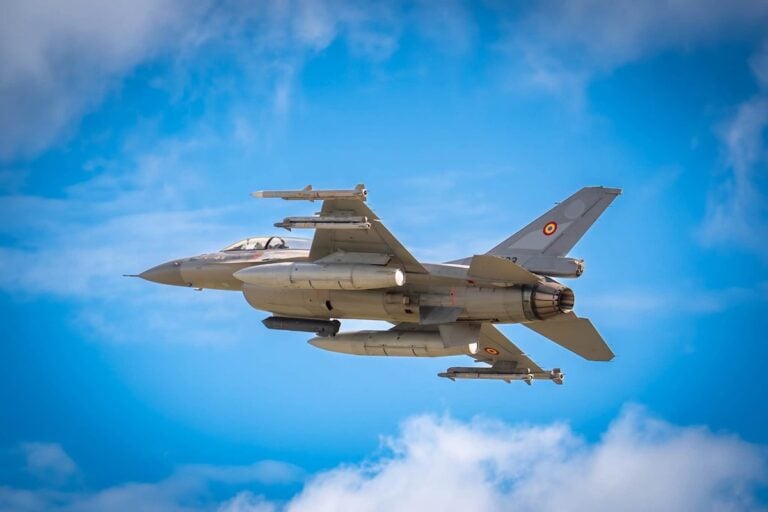

Under the plan, Embraer would assemble the aircraft in São Paulo state, adding capacity alongside Saab’s final assembly line in Linköping, Sweden. The companies said the arrangement would strengthen a globally integrated production model and improve flexibility for future customer demand.
The agreement extends a partnership that has developed over more than a decade through Brazil’s Gripen programme. It also gives Embraer a larger potential role in supporting international demand for the Swedish fighter.
“The partnership between Saab and Embraer reinforces our long-term commitment to Latin America. Together, we are strengthening our capabilities, securing additional capacity for future business opportunities, and taking a forward-leaning approach to supporting the evolving needs of our customers across the region”, said Micael Johansson, President and CEO of Saab.
“The expansion of this partnership with Saab reflects the mutual trust built over the past ten years and reinforces Embraer’s strategic role in the Gripen programme. We are well positioned to support increased production capacity, if demand requires it”, said Bosco da Costa Junior, President and CEO of Embraer Defense & Security.
Embraer’s Gavião Peixoto site is already a key industrial hub in the Gripen partnership. Saab and Embraer cited its advanced manufacturing capability, skilled workforce and production capacity as reasons for the proposed expansion.
The site operates within a production network involving Brazilian and international suppliers. The companies said that model supports higher industrial output and creates opportunities for growth in high-technology aerospace programmes.
The partnership has included technology transfer and on-the-job training linked to the current Gripen programme for the Brazilian Air Force. Engineers, test pilots, technicians, assembly operators and maintenance specialists have been qualified in Sweden.
Saab and Embraer said that work has strengthened expertise and best practice on both sides. The companies said the cooperation has also supported advanced industrial capability and long-term growth opportunities.